Previously-Leased Cars Are Your Best Bet in 2026. Here’s How to Actually Get a Good Deal
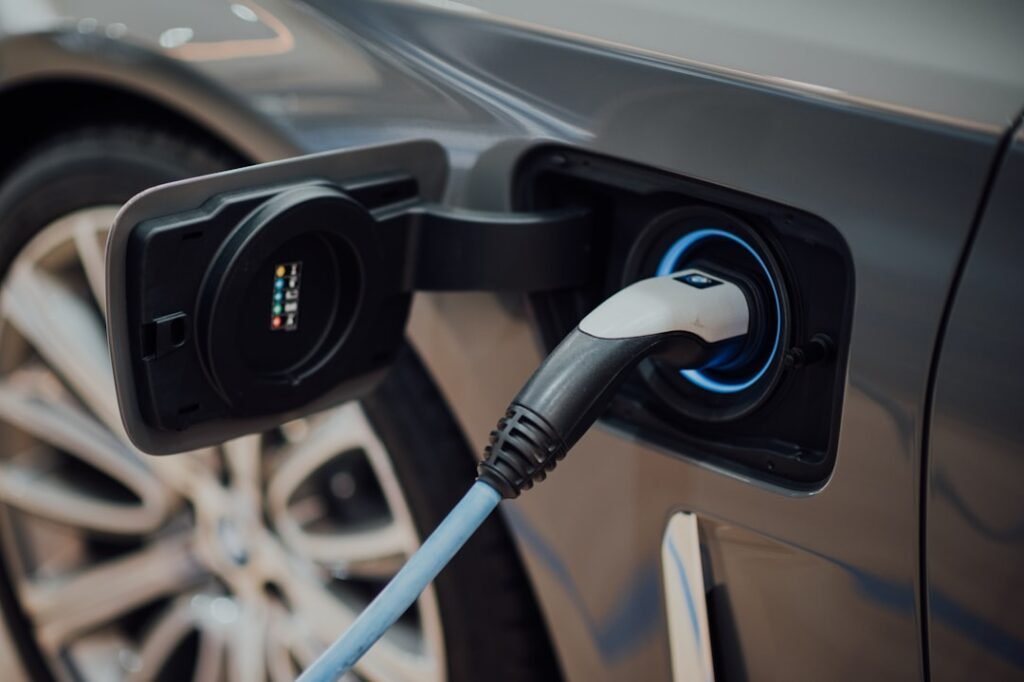
Photo by CHUTTERSNAP on Unsplash
New cars are officially out of reach for most Americans. Even as automakers promise a wave of sub-$25,000 vehicles, the math doesn’t add up: Kelley Blue Book data shows that subcompact and compact SUVs hit record average transaction prices in May 2026, and that’s just the tip of the affordability iceberg. Tariffs, energy costs, and economic headwinds aren’t going anywhere. The real move? Shop the off-lease market, where actual deals still exist.
The timing is perfect. As leases signed during the pandemic era roll off dealer lots, the supply of gently-used vehicles is climbing — and prices haven’t caught up yet. This is your window. But buying an off-lease car isn’t the same as buying any other used vehicle, and if you don’t know the game, dealers will happily extract $5,000 in fees from you on the way out the door.
The Off-Lease Market Is Hotter Than It Looks
Here’s the backdrop: Deloitte’s 2026 economic outlook predicts real consumer spending will drop to 2.1%, dragging down vehicle affordability further — which means off-lease inventory is about to become even more attractive relative to new car prices. These cars typically have lower mileage (three-year leases average 36,000 to 45,000 miles), known service histories, and often still carry manufacturer warranties. They’re not lottery tickets; they’re known quantities.
The trick is that dealers know this too. They’re pricing off-lease vehicles closer to new-car markup territory than used-car logic would suggest. Your job is to do the homework and call their bluff.
Shopping at a Dealership: The Research-First Approach
Start with fair market value. Before you set foot on a lot, know what a comparable used vehicle is selling for at other dealerships in your area. A quick internet search beats walking in blind every single time. If you’re financing, get pre-approved from your bank or credit union before you talk to a dealer — that removes a massive bargaining chip they’d otherwise keep in their pocket.
Watch the fees like a hawk. Dealership fees can easily eclipse $5,000 per vehicle. Some of this is legitimate (paperwork, title transfer, doc prep). Most isn’t. Push back on everything that isn’t explicitly itemized in writing, and don’t accept the “that’s just what we charge” excuse. Negotiate toward a final out-the-door price, not monthly payments. The moment you start talking payments, you’re thinking in loan-interest increments instead of the actual cost of the car — which is exactly how dealers want you thinking.
Get a vehicle history report, then get an inspection. History reports from services like Carfax or AutoCheck aren’t complete — they miss private-party accidents and some service records. That’s why an independent ASE-certified mechanic is non-negotiable. Yes, it’ll cost you $150–$200. That’s the cheapest insurance you’ll buy on a five-figure purchase. Dig into the service records if the seller has them, and if they don’t, try to track them down through the lease company or dealership. A well-maintained off-lease car should have proof of it.
Buying Out Your Own Lease: The Insider Path
If you’re already leasing a vehicle and the numbers pencil out, buying it yourself is arguably the smartest move in the off-lease game. You’ve already lived with the car for three years. You know every squeak, every service visit, every reliability quirk. There are no surprises waiting in the engine bay.
You have a locked-in price. Your lease contract includes a residual value — the buyout price set when you signed. Compare that number to what a similar used vehicle is selling for on the open market. If your residual is lower, you’ve got an instant advantage. If it’s higher, you know to walk away. Either way, you’re not guessing.
But watch the buyout fees. Just like dealership markups, lease buyout charges can hide real costs. The lease company will tack on paperwork fees, dealer acquisition fees, and other line items — some legitimate, some profit-taking. The critical rule: nothing on that buyout agreement should surprise you. Every fee should already be listed in your original lease contract. If it’s not there, it shouldn’t be charged.
You have multiple paths to the finish line. You can buy through the dealership where you leased, but you’re not obligated to — get quotes from other dealers or go straight to the financial institution holding your lease. Some lease companies will process buyouts directly, cutting the dealership out entirely. There are also third-party buyout services that specialize in this process; they handle the paperwork and negotiation on your behalf, which can be worth the fee if it saves you from dealer games.
The Economics Actually Make Sense Right Now
Here‘s the thing that matters: even with EPA fuel economy improvements across the board, a three-year-old off-lease car with lower mileage, a known history, and potentially years of warranty left is objectively cheaper than buying new. Not cheaper in payment terms — actually cheaper. When real consumer spending is contracting and automakers are still pricing new vehicles like they’re selling Lamborghinis, that’s not pessimism, it’s math.
The off-lease market won’t stay soft forever. Once word really spreads that this is where the deals are, supply will tighten and dealers will adjust pricing. If you’re in the market this year, the advantage is still yours — but only if you do the work. Research comparable prices, get pre-approved, hire an independent mechanic, and negotiate hard on the final price, not the monthly payment. Do that, and you’ll beat the new-car pricing trap that’s already claimed too many other buyers.
Sources: Jalopnik