Porsche’s Profit Margins Collapsed to 1.1%. So It’s Nuking Half Its Lineup.
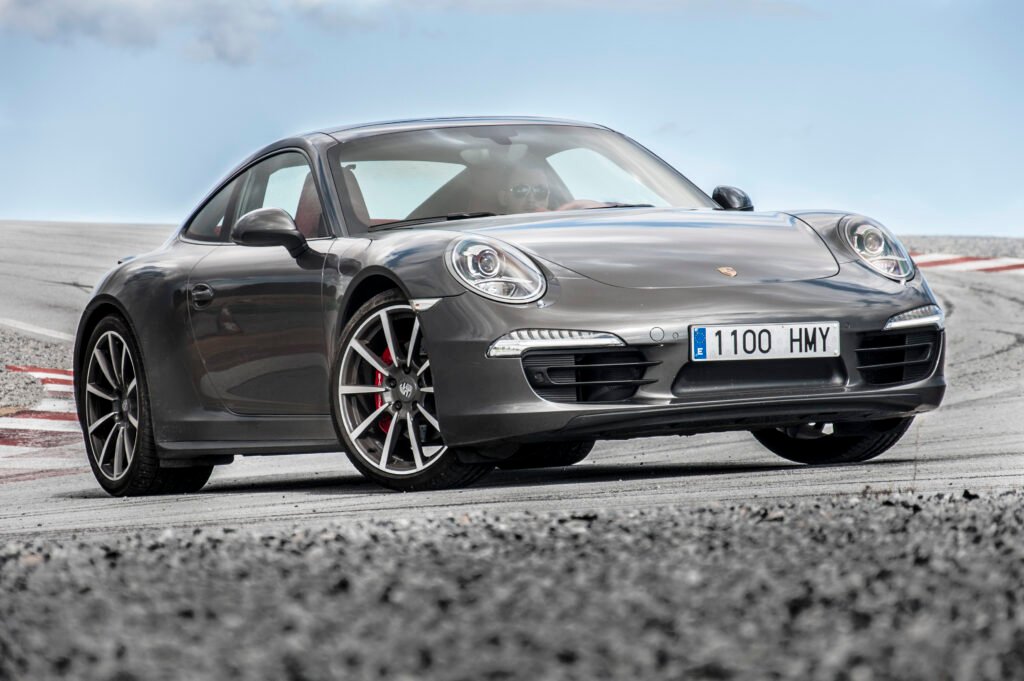
Porsche‘s profit margin didn’t just slip last year—it collapsed to a pathetic 1.1 percent. That’s the kind of number that makes board members sweat through their tailored suits. So new CEO Michael Leiters has delivered a wake-up call wrapped in corporate strategy speak, unveiling Strategy 2035, a sweeping turnaround plan that amounts to this: Porsche is going back to being Porsche, and it’s going to cut ruthlessly to get there.
The Three-Pillar Gamble: Profit Over Volume
Leiters, who took the top job on January 1, laid out three pillars at Porsche’s annual shareholder meeting this week. Brand and Customer. Products and Technology. Company and Operations. On paper, it sounds generic—the kind of corporate boilerplate that consultants charge six figures to generate. But the subtext is explosive: Porsche is explicitly rejecting the chase-volume playbook that nearly destroyed it.
The first pillar is a direct rebuke of decades of strategy creep. Porsche says it’s returning to what actually made the brand legendary: sports cars, driving engagement, performance, and exclusivity. Leiters was blunt about it: “Customers should buy a Porsche because they genuinely want one, not because it happened to be available in the right lease deal.” Translation: No more commodity cars with a fancy badge. The days of Porsche-badging anything that moves are over.
There’s even a Germany-centric pitch baked in. Leiters invoked the “Made in Germany” brand mystique, framing it as something Porsche needs to actively defend and reinvent. That’s code for: your heritage matters more than your spreadsheet, at least for now.
The Product Massacre Begins
The real hammer comes in pillar two, and it’s already swinging. Leiters explicitly acknowledged that Porsche’s lineup has become “too complicated,” and the company will “reduce the number of variants.” They’re not talking about killing one SUV trim—they’re talking about strategic elimination.
The Taycan wagon is already dead in the United States. That’s a Taycan platform that Porsche spent millions developing and years marketing, and it’s being axed because it was pulling focus and diluting brand equity. If the wagon—a vehicle Porsche spent considerable energy convincing Americans to even consider—is expendable, nothing is sacred.
Porsche reaffirmed its commitment to combustion, hybrid, and electric powertrains, but the emphasis is telling. The 911 will never go fully electric. Full stop. Instead, Porsche is betting on performance hybrid technology—the new system debuted on the GTS and rolled into the Turbo—as the lifeline that keeps the icon relevant. That’s not a concession to environmental regs; it’s a strategic choice to keep the 911 feeling like a 911.
The elephant in the room: No mention of the almost-ready electric Boxster and Cayman. Are they dead? Delayed? Waiting for clearer market signals? Porsche isn’t saying, but the silence is deafening.
Cost-Cutting That’s Going To Hurt
Pillar three is where the pain lives. Porsche is promising more platform sharing with the VW Group—which means engineering efficiency, fewer custom parts, and reduced complexity. There will be workforce reductions. There will be layoffs. Leiters made clear that the belt-tightening already announced is just the appetizer.
Wolfgang Porsche, the company’s chairman, was almost apologetic in his candor: “These measures will be highly noticeable and, in some cases, uncomfortable. However, they are necessary to get us back on the road to success.” Translation: We’re about to make some decisions that will piss people off, and we’re asking for patience while we execute them.
The Real Question: Can Porsche Actually Execute This?
Here’s where the rubber meets the road. Porsche’s problem wasn’t that it made bad cars—it was that it made too many cars, in too many configurations, chasing too many market segments. The Macan was wildly profitable. The Cayenne bloated into a three-row behemoth that competed with itself. The Taycan was technologically impressive but strategically confused. The brand lost focus trying to be everything to everyone.
Strategy 2035 is essentially a confession that the previous strategy was broken, and a bet that fewer, better, more focused cars will restore profitability. That’s theoretically sound. Porsche has always been at its best when operating with constraints—limited models, high performance bars, uncompromising engineering. The problem is that execution at scale is brutally hard, especially when you have investors, unions, and legacy commitments to manage.
The other wildcard: Can Porsche convince customers that fewer options is actually a good thing? In an era where every carmaker is drowning in trim levels and configurators that look like fighter-jet cockpits, a deliberate retreat to simplicity could either feel refreshingly focused or exclusionary and limiting. Porsche’s betting it’ll feel like the former.
Leiters is asking for something increasingly rare in automotive leadership: patience. He’s promising that Porsche knows exactly what needs fixing, and that it will fix it. Whether shareholders and the market have the stomach for years of restructuring while watching volume decline is the real test ahead. Porsche built its legend on cars that people genuinely wanted to drive. If Strategy 2035 actually delivers on that promise, it might just work. If it’s just corporate theater, the profit margins will stay in the basement.
- Porsche’s profit margin collapsed to 1.1% last year, forcing new CEO Michael Leiters to unleash Strategy 2035.
- The plan cuts variants, kills the electric 911, doubles down on performance hybrids, and axes the Taycan wagon.
- Expect workforce reductions, deeper cost-cutting, and a deliberate retreat from volume chasing—Porsche is betting on focus over sales numbers.
Sources: Carscoops