Ford’s Secret Bronco Pickup Could Finally Happen by 2030
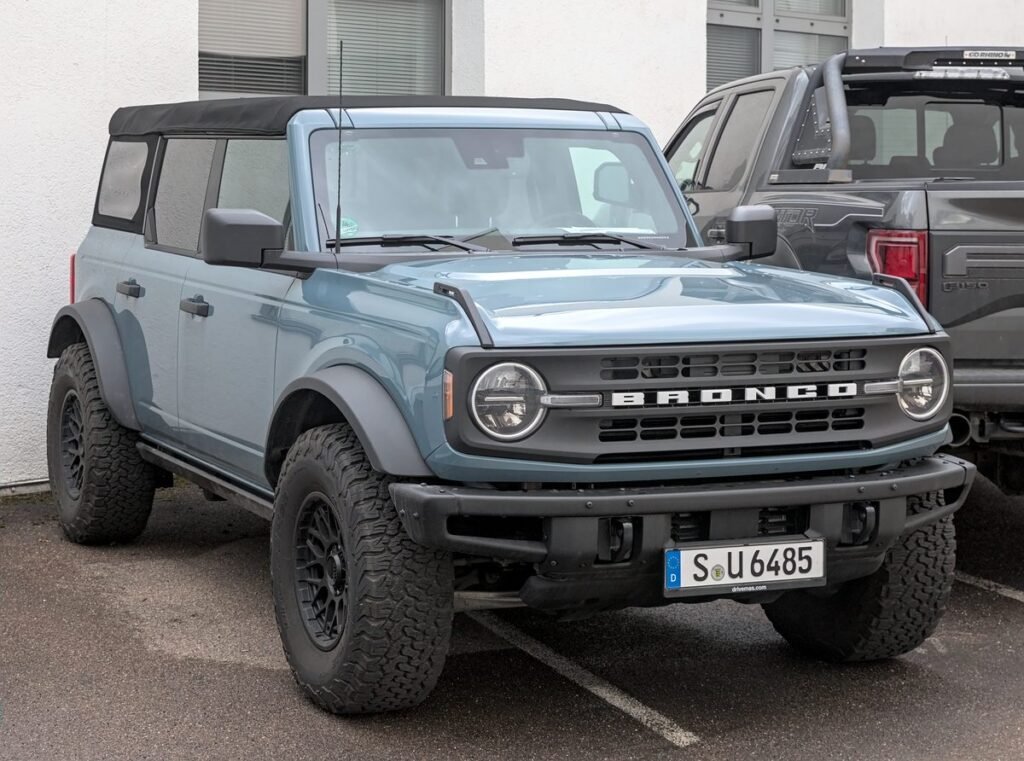
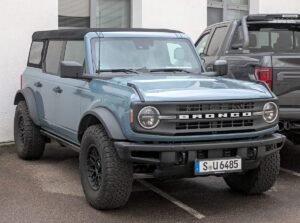
Ford’s Bronco revival has been absurdly successful, and the company knows it. Sales hit 146,007 units in 2025—a 34 percent jump from 2024—which means Ford is basically printing money with a nameplate that was dead for decades. So what does any sane company do when they stumble onto a goldmine? They start digging harder. According to a new report, Ford is now developing a Bronco-based pickup truck expected to arrive around 2030, expanding the family beyond the original SUV and the smaller Bronco Sport crossover.
The truck represents Ford’s latest attempt to squeeze every possible variant out of a beloved nameplate—a strategy that’s worked brilliantly so far. This isn’t some pie-in-the-sky concept either. The Bronco pickup will be built at Michigan Assembly Plant in Wayne, the same facility that currently produces other Bronco variants, with production expected closer to the end of the decade.
The Timeline and What Comes First
Before we get a Bronco pickup, Ford has some groundwork to lay. The company is reportedly planning a Bronco hybrid variant for the 2028 model year, which will likely arrive alongside a visual refresh for the boxy SUV. This hybrid move makes sense—it keeps the nameplate fresh and gives potential buyers another reason to walk into a dealership. The hybrid could also pave the way for hybrid variants of the pickup once it arrives.
The Bronco pickup timeline isn’t entirely new. Ford originally planned a Bronco pickup for the first half of this decade, but those plans got shelved. Now, with the standard Bronco’s sales momentum, the company is apparently more confident about the truck’s viability. The later arrival also gives Ford time to figure out production logistics, especially since the Ranger (currently built at Michigan Assembly) will be shifting to the Tennessee Truck Plant around 2029 for a next-generation version.
What This Means for Ford’s Truck Strategy
Here’s where it gets interesting: Ford is essentially creating a new truck segment. The Bronco pickup won’t compete directly with the Ford Maverick, which starts around $23,000 and serves the affordable compact truck crowd. Instead, the Bronco pickup will lean into the premium, off-road-focused segment—think buyers who want capability wrapped in rugged styling and a legendary nameplate. It’s a smart play because it doesn’t cannibalize existing sales; it just creates a new reason for enthusiasts to choose Ford.
The Bronco pickup also signals something broader about Ford’s product philosophy: nameplate extension is the new way to grow without massive R&D investment. The company is already doing this with Mustang, which now includes the Mach-E electric SUV and a planned four-door sedan arriving around 2030 (also under $40,000, potentially with hybrid and V-8 options). It’s a lesson the industry learned from Toyota’s success with the RAV4, which spawned crossovers, hybrids, and EVs—basically everything Toyota could attach the badge to.
Ford’s Broader Product Offensive
The Bronco pickup isn’t flying solo. Ford is also reportedly developing a compact van for North American buyers, a segment that’s been abandoned for years. This new van will be smaller than the current Transit but larger than the old Transit Connect, with gas and hybrid powertrains available. It’s slated for production at Ohio Assembly Plant in Avon Lake starting in 2029, positioning Ford to compete with Ram’s returning ProMaster City and filling a gap that’s been empty since 2023 when domestic automakers ditched the small-van market.
What’s notable here is that Ford isn‘t chasing EV-only futures like some competitors. Instead, the company is hedging its bets with hybrid options across new vehicles—the Bronco hybrid, the compact van hybrid, the Mustang sedan hybrid. It’s a pragmatic approach that acknowledges consumer reality: EPA data shows hybrids still dominate buyer preferences in segments where pure EVs haven’t gained traction yet.
The Bronco Pickup’s Real Opportunity
Here’s why the Bronco pickup actually matters beyond Ford’s balance sheet. The original Bronco competed in the mid-size SUV space when trucks were king and SUVs weren’t yet fashion accessories. A modern Bronco pickup bridges that gap—it offers truck utility wrapped in genuine off-road credibility and retro styling that actually looks cool instead of contrived. Unlike some nameplate revivals that feel forced (looking at you, new Blazer), the Bronco pickup feels like a natural extension because the SUV has proven customers genuinely want the brand.
The bigger picture: Ford is betting that the next decade will still see enough demand for internal combustion and hybrid vehicles to justify platform diversity. While competitors chase EV-only strategies and risk overshooting market reality, Ford is betting on a portfolio approach. The Bronco pickup, the compact van, the Mustang sedan—they’re not sexy or cutting-edge, but they’re practical investments in segments where buyers still want actual trucks and vans, not software that happens to have wheels.
By 2030, we’ll know if Ford’s strategy was genius or just late to the game. Until then, the Bronco pickup represents something increasingly rare: a manufacturer willing to milk a good thing without overdoing it. The SUV proved buyers want the nameplate. A hybrid is coming to keep it fresh. And a pickup will finish the job—giving Ford a Bronco variant for every off-road-curious customer with a different truck need. That’s not revolutionary. But in an industry obsessed with disruption, sometimes boring-ass competence is the real flex.
- Ford is developing a Bronco-based pickup truck expected by 2030, built at Michigan Assembly Plant.
- A Bronco hybrid arrives first in 2028, followed by the pickup closer to decade’s end.
- Ford is also launching a compact van (2029) and four-door Mustang sedan (2030), betting on nameplate extension over EV-only strategies.
Sources: Car and Driver