Genesis GV90 Is Luxury’s New Flex: Coach Doors, Swivel Seats, and a Cabin That Actually Gets It
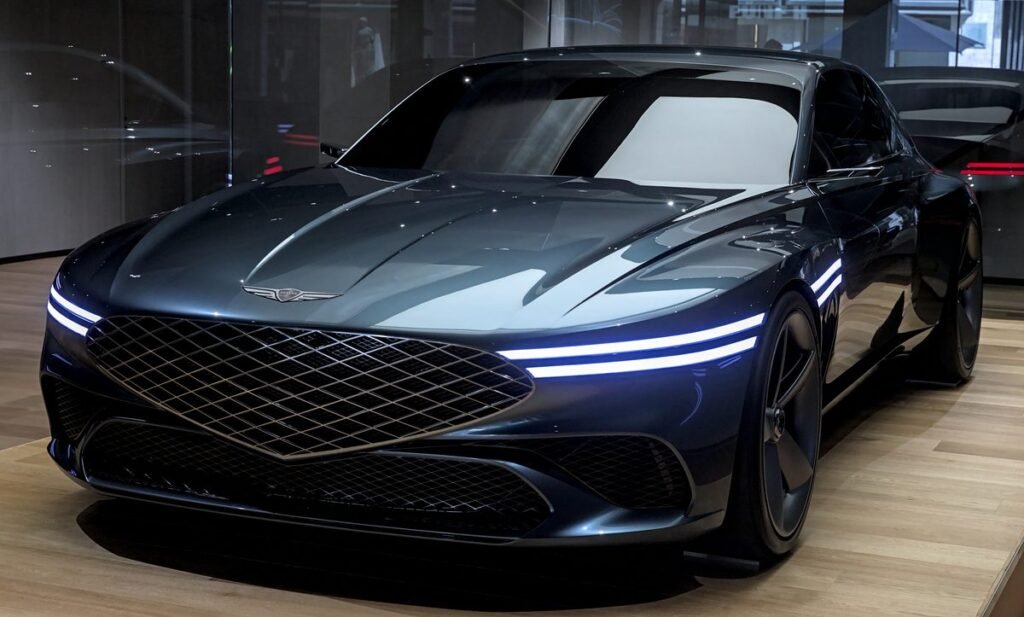
Genesis just weaponized the definition of flagship luxury, and it doesn’t look like what you’d expect. The 2027 Genesis GV90 is a 208-inch-long electric SUV that trades the typical minimalist EV sterility for something wild: a cabin designed like a lounge, coach doors that defy safety logic (and somehow work), and front seats that swivel 180 degrees to face backward when parked. It’s audacious. It’s also exactly the kind of thing that could shake up how people think about electric luxury—if Genesis doesn’t completely botch the pricing reveal.
Let’s be clear about what Genesis is doing here. The company spent a decade clawing its way into the conversation with BMW, Mercedes, and Audi. The GV90 feels less like a next step and more like a declaration: we’re not just catching up, we’re going a different direction. And that direction looks seriously expensive.
Those Coach Doors Aren’t a Gimmick
The standout feature of the top-tier GV90 Neolun is the Neolun Arch Gate—coach doors with no visible B-pillar. On paper, this should be a disaster. Coach doors killed themselves decades ago because they’re a safety and engineering nightmare. Rolls-Royce brings them back on a six-figure car as a halo move. Genesis just put them on an electric luxury SUV that might actually be attainable.
Here’s where the engineering saves it. Genesis integrated high-strength steel beams into the door-and-body structure and added a concealed roll-cage-like arrangement with thicker framing, steel tubes, and structural foam. The rear door uses a dual-motion hinge—pushes out, then swings open—so it doesn’t require the front door to open first. It’s the kind of detail that sounds boring until you actually understand what Genesis had to do to make it legal and safe.
The payoff is real: ingress to the second row is genuinely more graceful than in nearly every other luxury SUV. That matters more than most people think. A BMW X7 or Mercedes GLS feels imposing when you’re climbing in; the GV90 Neolun makes you feel like you’re entering something exclusive. This is where Genesis’s trick lands—the kind of detail Rolls-Royce has made its entire brand promise, but potentially delivered at a fraction of the price.
The standard GV90 ditches the drama and uses conventional doors. Smart for most buyers, probably. But the Neolun gives Genesis a proper halo feature that the Germans don’t have. That’s worth something in the luxury game.
The Interior Is Designed Like a Penthouse, Not a Tech Store
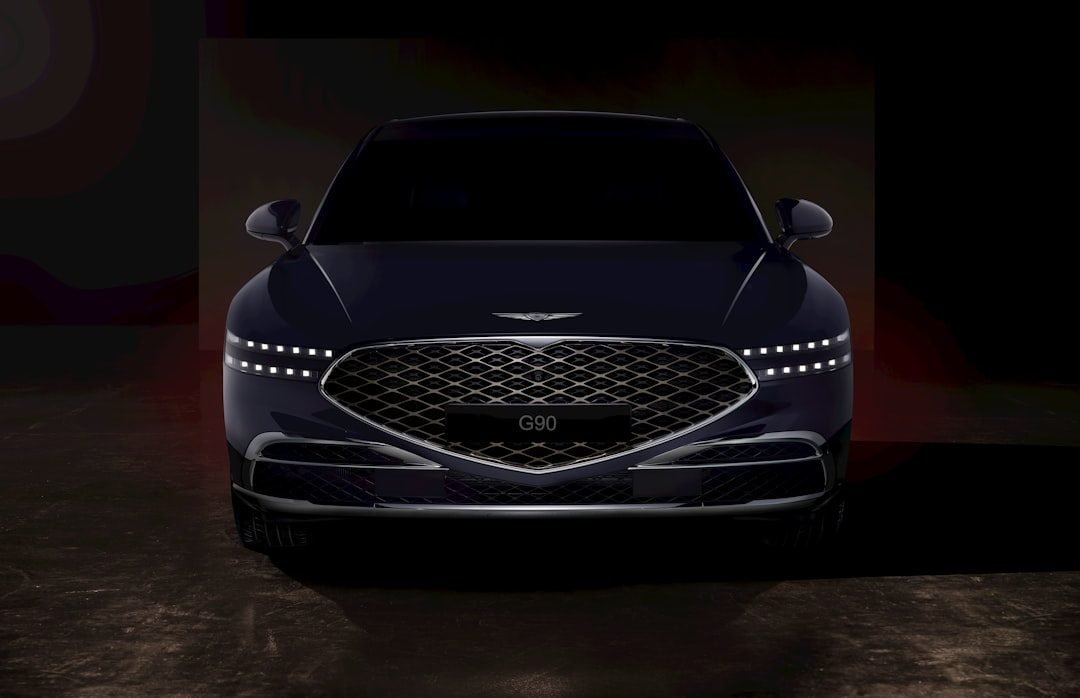
This is where Genesis really separates itself from the EV pack. While Tesla and Lucid treat the cabin as a canvas for screens, Genesis designed the GV90’s interior as a “bespoke living space”—and yes, that phrase normally deserves an eye roll. Here it doesn’t, because Genesis actually delivered on the promise.
Start with the visual restraint: a pop-up OLED display that expands from 23.6 to 24.6 inches when parked (why hide it when you’re not driving?), a 25-inch head-up display replacing the traditional instrument cluster, and real glass (not plastic) controls for things like ventilation. A 25-speaker Bang & Olufsen sound system handles audio. The seats come loaded with 15 air cells each and pulse-vibration massage functions. It sounds like spec-sheet madness until you realize every element serves the primary goal: making this thing feel like a sanctuary on wheels.
The real party trick lives in the front. On the GV90 Neolun, both front seats rotate a full 180 degrees when parked. That turns a stationary SUV into an actual lounge. The last time Detroit tried this seriously was the 1960s Imperial, and you’d have to look at Mercedes’s camper vans to find anything recent. Genesis is resurrecting an idea that basically died, and for a luxury vehicle, that’s the kind of nostalgia move that actually works.
What makes this cabin special isn’t the tech—it’s the restraint. Genesis clearly understood that you don’t need fourteen screens to feel rich. You need materials that don’t scream “future,” seats that work your way, and the understanding that silence and space are luxury too.
The Specs Say Flagship. The Missing Price Tag Says Gamble.
Under the hood, the GV90 packs 657 horsepower and 590 lb-ft of torque. The battery is a hefty 123.5-kWh pack promising roughly 311 miles of range—though Genesis is quoting internal testing numbers here, not EPA-certified figures, so take that with appropriate skepticism. Air suspension, rear-wheel steering, and dual electronic limited-slip differentials round out the drivetrain. It’s the kind of hardware you’d expect in a proper flagship.
But here’s the thing that might doom this entire car: Genesis hasn’t announced U.S. pricing. Not even a range. Not even a whisper.
That silence is deafening. If the GV90 Neolun lands at, say, $120,000–$150,000, it’s a genuine threat to the Mercedes EQS and BMW i7. It undercuts those cars on tech minimalism while beating them on design bravery. If Genesis prices it above $180,000, it’s a boutique play that only wealthy enthusiasts see. If it somehow exceeds $200,000, you’re in Mercedes-Maybach and Rolls-Royce territory—territory where the GV90’s lack of heritage becomes a real problem.
This is the gamble. The GV90 looks like it could rewrite the luxury-EV playbook, but only if Genesis has the nerve to price it aggressively. Otherwise, it’s just an expensive conversation piece that proves Genesis can design a proper flagship. Designing it and selling it are two very different things.
Genesis Needs This Win
Ten years ago, nobody took Genesis seriously. The brand was Hyundai’s pseudo-luxury experiment. Today, it’s legitimately competitive with European heritage brands in design and material quality. The GV90 is the bet that all that work wasn’t just incremental improvement—it was the foundation for something that can go toe-to-toe with actual tradition.
The coach doors, the swivel seats, the glass controls, the restraint—these are all design moves that say Genesis has thought deeply about what luxury means in an EV world. BMW and Mercedes are bolting more screens onto bigger batteries. Genesis is asking: what if we just made something beautiful and left space for actual peace and quiet?
Whether the GV90 actually changes the game depends entirely on price. But on design alone, Genesis just proved it’s playing a different game than everyone else.
- The 2027 Genesis GV90 is a 208-inch electric flagship with coach doors (no B-pillar), 180-degree swivel front seats, and a design-first cabin that rejects screen overload.
- Specs include 657 hp, 590 lb-ft of torque, a 123.5-kWh battery, and 311 miles of claimed range—but that’s internal testing, not EPA-certified.
- Genesis hasn’t announced U.S. pricing yet, which is both a mystery and a massive risk: the car’s success depends entirely on hitting the $120K–$150K sweet spot where it undercuts German competitors.
Sources: Car and Driver · Carscoops