The 2027 Hyundai Tucson Ditches Subtlety for a Bold New Identity
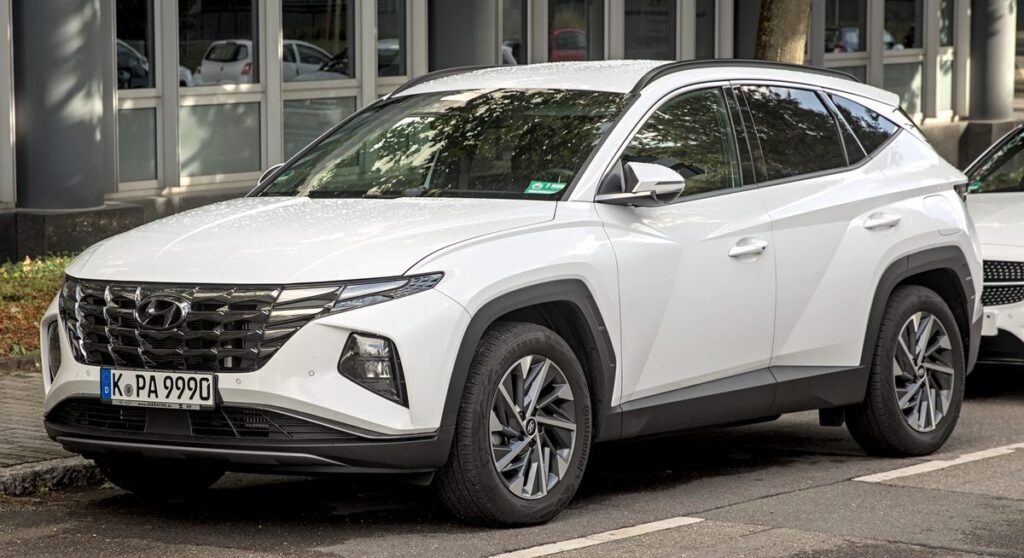
Hyundai just dropped the wraps on the 2027 Tucson, and the compact SUV’s transformation is impossible to ignore. This isn’t a gentle refresh or a tweaked facelift—it’s a complete departure from everything the outgoing generation stood for. The Korean brand has doubled down on the aggressive, geometric design language that’s been sweeping through its lineup, and the Tucson is the latest beneficiary (or victim, depending on your taste).
The Design Gamble: Boxy Is Back
The new Tucson trades curves for sharp angles and proportions that border on utilitarian. Prominent fender flares wrap around muscular wheel arches, giving the compact SUV a presence that rivals trucks three classes up. The front fascia is dominated by a full-width lighting bar that connects impossibly angular headlights—the kind of theatrical design move that screams “we’re different” whether the market wants it or not. The rear follows suit with equally aggressive taillights and a matching light bar that runs the full width of the tailgate.
For context, Hyundai’s design philosophy has been evolving dramatically. The Tucson nameplate has always been a workable, practical compact SUV, but this generation abandons practicality-first thinking entirely. It’s a calculated bet that buyers are hungry for personality in a segment that typically rewards beige competence.
The overall shape reads more SUV-ish than before—squat, planted, with the kind of presence that makes pedestrians look twice. Whether that translates to sales success remains to be seen, but at least Hyundai isn’t phoning it in like some competitors.
Inside: Modern Meets Moody
The cabin represents another significant departure from the functional, conservative approach of the current generation. A massive touchscreen dominates the dashboard—no surprises there, as every automaker from Ford to Mazda has adopted the “put a tablet in the middle” design strategy. What sets the Tucson apart is the execution: a rounded center console paired with a two-spoke steering wheel and distinctive orange dashboard accents create something that feels intentional rather than derivative.
The orange trim is particularly interesting—it’s a bold color choice that signals Hyundai’s willingness to push beyond the safe grays and blacks that typically dominate interiors at this price point. The overall vibe is modern and a touch theatrical, which aligns with where younger buyers are shopping.
The Powertrain Question Remains
Here’s where the reveal gets frustratingly thin: Hyundai hasn’t disclosed a single detail about what’s under the hood. The automaker has confirmed that hybrid and non-hybrid versions will continue, but that’s it. No displacement numbers, no power figures, no efficiency claims—nothing. That’s typical for early reveals, but it’s also where the real story usually lives.
Given the current market trends and EPA fuel economy standards, expect the hybrid to be the volume play, especially in North America where consumers are finally warming to the segment. Hyundai’s hybrid track record has been solid—not Toyota-level refined, but cost-effective and reliable. The question is whether they’ll push turbocharging or electrification in the standard engine lineup to keep power output competitive while meeting emissions targets.
The Bigger Picture: Design as Differentiation
This reveal underscores a larger shift in how Hyundai is positioning itself. The brand can no longer compete on price alone—the market’s too crowded and too sophisticated for that. Instead, Hyundai is betting on design boldness and technology-forward interiors to justify the climb up the value ladder. It’s a strategy that’s worked remarkably well for them in the past five years, particularly with younger buyers who don’t care about heritage and are more interested in bang-for-buck and visual impact.
The Tucson’s new look will absolutely divide the internet. Some will see it as refreshing confidence; others will call it overdesigned. But here’s the thing: indifference is worse than controversy. A Tucson that gets people talking—positively or negatively—is infinitely more valuable to Hyundai than another crossover that blends into the parking lot.
When full specs and pricing arrive, we’ll have a clearer picture of whether this bold redesign is backed by meaningful performance upgrades, technology improvements, and value. Until then, the 2027 Tucson has already accomplished what any good reveal should: it’s made people pay attention.
- The 2027 Hyundai Tucson trades curves for aggressive geometry, with boxy proportions and prominent fender flares.
- Full-width light bars bookend both ends, while the interior features a massive touchscreen, two-spoke steering wheel, and orange dashboard accents.
- Powertrain details haven’t been announced, but Hyundai confirmed hybrid and non-hybrid variants will continue.
Sources: Car and Driver