BMW’s 2027 7-Series Facelift Finally Fixes That Grille. The i7 EV Gets Serious Range Upgrades.
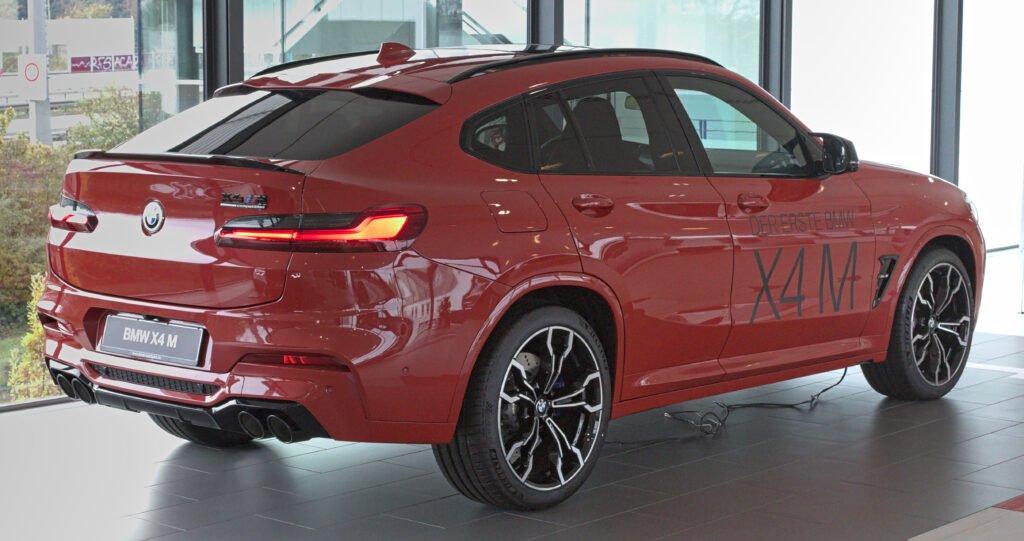
BMW’s 2027 7-Series facelift is finally here, and it answers the most pressing question anyone’s been asking since the G70 generation landed in 2022: can they please fix that grille? The answer is yes—mostly. This isn’t a wholesale redesign, but it’s arguably the most extensive mid-cycle update BMW has ever attempted, and the results suggest the Bavarian luxury house actually listened to the firestorm of criticism that greeted the original’s blocky, controversial front end.
The Front End Actually Makes Sense Now
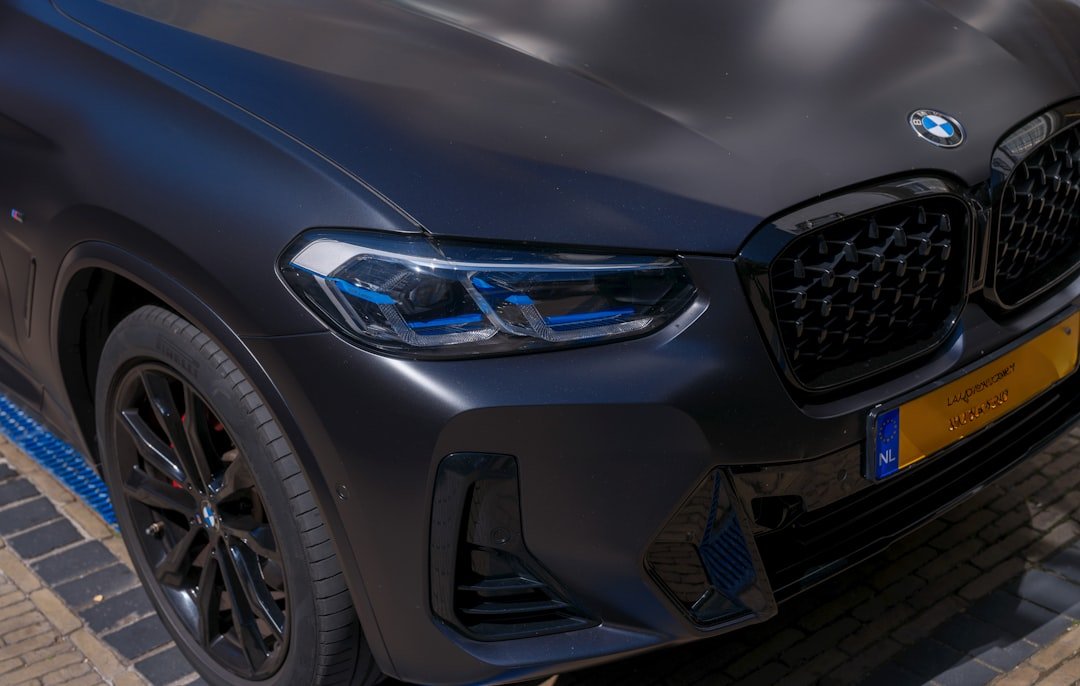
When the current 7-Series debuted five years ago, its massive split headlights and vertically-oriented kidney grilles immediately dominated conversation—and not always in a flattering way. The 2027 refresh pivots that strategy entirely. The kidney grilles remain large, but BMW flipped the orientation of the horizontal vanes inside them, restoring a sense of stateliness that felt missing from the original. More importantly, the split headlights have been reimagined: the main lights are now housed vertically inside a dedicated indentation below the DRLs, making the overall front fascia appear significantly less alien at a glance.
The changes compound in your favor. Thinner upper LED running lights now connect directly to the grille surround, while the hood gains more prominent bulges that actually look intentional rather than accidental. The bumper design has been simplified and made more angular, whether you opt for standard styling or the blockier M Sport treatment. Those available 12 diamond-cut crystal glass segments per headlight add a sparkle factor that feels appropriately luxe. Camera and radar sensors are now hidden within the kidney grille structure—a detail that cleans up the overall appearance considerably.
The rear, meanwhile, got the real redesign. Slimmer taillight housings stretch nearly to the trunk’s center with a new twin-line design incorporating chrome accents and smoked glass. Backup camera, washer nozzle, and trunk lock are all recessed into the light housing. BMW’s offering dual-finish paint for the first time, including an Individual Two-Tone option that pairs a matte lower section with a metallic upper and a hand-drawn coach line down the side. That’s the kind of detail-obsessive thinking you expect from a $126K sedan.
The Interior Gets a Neue Klasse Makeover—With Trade-offs
Inside, BMW has borrowed heavily from the recently revealed Neue Klasse platform, which is both exciting and slightly controversial depending on what matters most to you. The standout change is the new Panoramic iDrive system: a diagonally-angled central display paired with a four-spoke steering wheel that mirrors the design language of BMW’s newest EVs. A standard smaller passenger-side display rounds out the tech stack, all housed in a tidier, more integrated dashboard layout.
Here’s the rub: that beloved physical iDrive control knob is gone. Completely. If you’re the type who appreciates tactile controls, this is a loss. The 7-Series compensates with what BMW calls the “Ceremonial Light Carpet”—a projection system using 194,000 pixels embedded in the door sills to animate graphics on the ground as you approach. It’s unnecessarily decadent, which is exactly what a luxury sedan should be.
Options remain gloriously indulgent. The Executive Lounge rear seating includes a motorized reclline function for the passenger side. The headline feature is the 31.3-inch BMW Theater Screen—an 8K fold-down display with integrated camera for video conferencing, because apparently Zoom calls needed a more absurd background option. Leather and cashmere upholstery combinations are still available for those willing to experiment with unexpected material pairings.
The i7 EV Finally Gets the Battery Tech It Deserved
While the exterior and interior updates grab headlines, the real engineering story lives under the skin of the electric i7 models. BMW’s new cylindrical battery cell structure—borrowed from the Neue Klasse platform—represents a meaningful leap forward from the pouch-cell design of the outgoing model. The new 112.5-kWh net capacity battery now delivers an estimated 350 miles of EPA range on the quicker i7 60 xDrive variant, a jump that puts it genuinely competitive with Tesla Model S and Mercedes EQE sedan claims.
Performance-wise, the i7 lineup cleaves into two tiers at launch. The base 50 xDrive produces 449 horsepower and 487 lb-ft of torque, hitting 60 mph in 5.3 seconds. Step up to the 60 xDrive and you’re looking at 536 horsepower, 549 lb-ft of torque, and a 4.6-second sprint to 60—genuinely quick for a three-ton luxury sedan. Charging speeds benefit from the new battery architecture as well, though specific charge curve data hasn’t been detailed yet.
The broader powertrain lineup leans heavily on six-cylinder combustion engines for now, with no V-8 announced at launch. You can get a rear-wheel-drive 740 with turbocharged six-pot motivation, or step up to the 750e xDrive plug-in hybrid, which combines a gas engine with electric motors to produce 483 hp and 516 lb-ft of torque. That PHEV variant arrives at dealerships at the end of 2026, while the rest of the lineup rolls out sooner.
Pricing and the Bottom Line
BMW’s pricing structure is aggressive for what you’re getting. The entry-level rear-wheel-drive 740 starts at $101,350i7 60 xDrive tops out at $126,250, which undercuts the Mercedes-AMG EQE 55 and puts serious pressure on Tesla Model S Plaid pricing when you factor in BMW’s traditional reliability reputation.
What’s genuinely interesting here is that for the first time since the controversial G70 debuted, BMW actually nailed the mid-cycle refresh. The grille is still big, but it reads as intentional rather than absurd. The interior borrows from newer platforms without feeling like a placeholder. The i7 battery tech closes a range and charging gap that was becoming embarrassing. This is BMW playing it smart—not reinventing the wheel, but filing down the sharp edges enough that even skeptics might stop glancing twice.
Sources: Car and Driver · Jalopnik · Road & Track · InsideEVs
- 2027 BMW 7-Series gets a major front-end redesign with refined kidney grilles and vertically-oriented headlights that actually look less polarizing than the 2022 original.
- i7 EV models now feature new cylindrical battery cells, up to 350 miles of EPA range on the 60 xDrive, and 4.6-second 0-60 times.
- Interior gets Neue Klasse tech: diagonal iDrive touchscreen, loss of the beloved physical control knob, and optional 31.3-inch Theater Screen for rear passengers.
- Pricing starts at $101,350 for the 740 RWD; i7 60 xDrive tops out at $126,250.