
Nissan’s UK Factory Crisis: What 900 Job Cuts Really Mean for the Brand’s Future
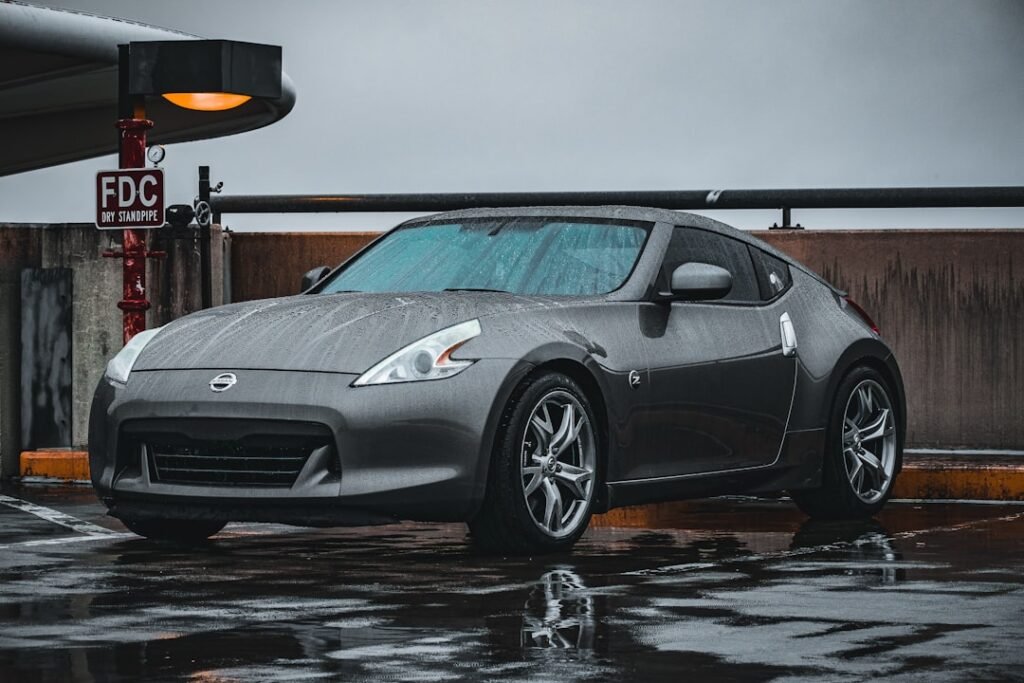
Photo by Daniel Shapiro on Unsplash
Nissan just announced it’s cutting 900 jobs and pulling back production at its UK operations—and this isn’t a routine restructuring. This is a signal that one of Japan’s Big Three automakers is in serious trouble, and no amount of shiny new truck announcements is going to fix it overnight.
The Numbers Don’t Lie
The Japanese automaker confirmed it will be eliminating roughly 900 positions at its UK manufacturing facilities and scaling back production volumes across its European footprint. This isn’t some minor right-sizing—it’s a substantial reduction that signals real financial pressure and operational challenges that have been building for years. The cuts appear aimed at bringing costs in line with declining demand and increasing competitive pressure across Europe’s traditional automotive heartland.
What makes this particularly brutal is the timing. While Nissan’s leadership has been publicly touting an exciting product pipeline—including the return of the beloved Xterra and a slate of truck-based models—the company is simultaneously hemorrhaging European capacity. The cognitive dissonance is hard to ignore: we’re coming back stronger, they say, while they’re dismantling the infrastructure that built their reputation.
A Broader Competence Problem
Here’s the thing about Nissan‘s current situation: this isn’t just about Brexit or supply chain chaos or the EV transition. Those are convenient scapegoats, sure, but the real issue is that Nissan has lost its way in multiple markets simultaneously. The company that once pioneered the Altima and made affordable performance relevant has become… forgettable.
In Europe, Nissan has been steadily losing ground to scrappier competitors and established players who’ve adapted faster to consumer preferences. Their SUV lineup, once a strength, now faces brutal competition from better-executed rivals. And in the crucial transition toward electrification, Nissan has been playing catchup while companies like Volkswagen and Hyundai-Kia have already made their bets and established market share. The UK job cuts are really a symptom of this broader strategic malaise—a company trying to right-size itself after years of misalignment with market reality.
The Xterra Fantasy Won’t Save Them
Let’s talk about the elephant in the room: Nissan’s upcoming product offensive. Yes, the Xterra is coming back. Yes, there are new truck-based models in development. And yes, the U.S. market has been waiting for these vehicles with genuine enthusiasm. But here’s what corporate cheerleading won’t change—you can’t announce comeback products and simultaneously announce massive job cuts without raising serious questions about whether management actually has a coherent strategy.
The U.S. truck market enthusiasm is real, and the Xterra nameplate carries legitimate equity with a certain segment of buyers. But vehicles take years to develop, ramp production, and generate meaningful revenue. In the meantime, Nissan is shrinking its European footprint, which has been a crucial profit center historically. The math doesn’t add up unless these new products hit the market at exactly the right time and achieve adoption rates that exceed current market realities. That’s a gamble, not a plan.
What This Means for Nissan’s Global Future
The UK production cuts matter far beyond just UK employment numbers. Europe remains a crucial market for automotive profitability, and Nissan’s retreat suggests the company has essentially written off meaningful growth there. That’s a stunning strategic retreat for a global manufacturer—it’s tantamount to saying, “We can’t compete in this market at the scale required to justify investment.”
The real question investors and industry observers should be asking is whether Nissan’s leadership has an actual restructuring plan or whether they’re simply cutting costs in reaction to quarterly pressures. One suggests a company with direction; the other suggests a company in freefall that’s hoping for a lifeline. The 900 job cuts read much more like the latter.
Nissan needs to pull off something remarkable—execute flawlessly on new product launches, maintain profitability in a brutally competitive market, and rebuild brand perception globally. Those aren’t impossible tasks, but they’re monumentally difficult. Announcing 900 layoffs while simultaneously promising an exciting future is the corporate equivalent of telling your passengers you’ve found the perfect route while simultaneously pulling out half the seats. It breeds skepticism, not confidence.
The job cuts are real. The product pipeline sounds exciting on paper. But until Nissan can actually demonstrate that it understands its markets and can execute consistently, these moves will read as panic, not prudence.
- Nissan is eliminating 900 jobs and reducing UK production capacity, signaling deep strategic challenges beyond simple cost-cutting.
- The timing is brutal: while announcing exciting new models like the returning Xterra, the company is simultaneously shrinking its European operations.
- This is less about market adjustment and more about a global automaker struggling to compete across multiple key markets simultaneously.
Sources: Autoblog