
Toyota’s 2027 Land Cruiser Costs Nearly the Same. It Finally Admits the 4Runner Was Right.
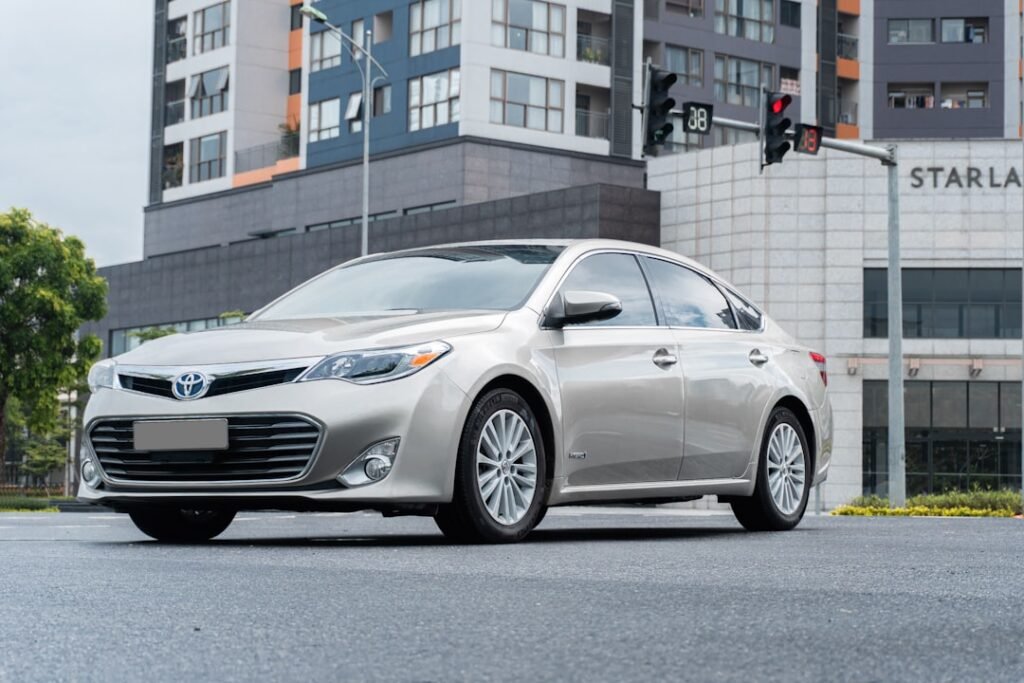
Toyota just proved something we’ve all suspected: the 2027 Land Cruiser is basically what happens when a car company runs out of new ideas and starts cannabilizing its own parts bin. A $280 price increase on top of a retro-styled SUV that already feels stuck in neutral isn’t exactly confidence-inspiring. But here’s the thing—the updates aren’t lazy so much as they’re honest. Toyota’s finally admitting that its 4Runner platform, which shares bones with the Land Cruiser, has figured out what buyers actually want.
The Price: Barely Moving the Needle
Let’s get the financial stuff out of the way. The 1958 Edition now starts at $59,375, while the higher-spec trim jumps to $65,450. That $280 bump is so small it barely registers—basically, Toyota’s asking you to cover inflation and call it a day. In an era when midyear refreshes routinely add $2,000 to $3,000, this almost feels like restraint.
The real sting comes when you compare the Land Cruiser to its platform mate. The 4Runner TRD Off-Road (non-hybrid) starts at $51,985, and even the hybrid version breaks in under $55K. Sure, the 4Runner TRD Pro climbs to a ridiculous $69,895, but you can get into a solid 4Runner for nearly $4,000 less than the base Land Cruiser. Toyota’s betting buyers will pay that premium for the Cruiser’s retro styling and Japanese heritage mystique. Whether they actually do is another question.
The Updates: Playing Catch-Up to Itself
Here’s where things get interesting—not because the updates are revolutionary, but because they’re basically Toyota admitting the 4Runner already nailed this stuff. The Cruiser can now be ordered with a raised air intake identical to the one on the 4Runner Trailhunter for $980. Let’s be clear: this isn’t a snorkel. It doesn’t increase fording depth or make any meaningful hydraulic difference. It looks aggressive, sure, and there’s probably a car forum somewhere swearing you can fix it with Flex Seal if water gets in. It’s an aesthetic upgrade pretending to be functional.
More practical is the expanded Premium package, which now includes heated and ventilated rear seats. Finally. The Cruiser’s rear passengers have been suffering in the backseat while the 4Runner’s been living it up, and Toyota’s solution is to charge an extra $550 (now $4,905 total) for the privilege. Only the higher-spec trim gets this option, which means base Cruiser buyers are completely locked out. It’s a cynical move that screams “we know you want this, but you’re paying for it.”
The Bigger Picture: Why the Land Cruiser Still Exists
Toyota has a genuinely weird product strategy at the moment. The 4Runner, the Land Cruiser, and a bunch of TRD-badged trucks all occupy the rugged SUV/truck space. They share platforms, hardware, and DNA, but Toyota keeps them all alive anyway. The pitch is simple: pick your poison. Want retro Japanese styling and heritage cred? Land Cruiser. Want a more angular, modern look with a hybrid option? 4Runner.
The problem is that pitch only works if the prices and performance justify the choice. Right now, the Land Cruiser costs more and offers less, which is a hell of a way to differentiate. You’re not paying for superior off-road hardware—they literally share the same platform. You’re paying for a design language that some people adore and others find overwrought. That’s not a great value proposition when the 4Runner Trailhunter gives you the same raised air intake and a hybrid powertrain Toyota won’t put in the Cruiser.
The Verdict: Still a Weird Flex
The 2027 Land Cruiser isn’t a bad vehicle—it’s competent, capable, and has a genuinely devoted following. But this refresh shows Toyota’s playing it safe. A $280 price bump that barely acknowledges inflation, a couple of features borrowed from the 4Runner, and a “we’re not changing anything” message. It’s the automotive equivalent of showing up to a meeting unprepared and hoping no one notices.
If you want a Land Cruiser, you’re going to buy one regardless. The real question is whether potential buyers—especially those cross-shopping the 4Runner—see enough value to justify paying more for less. For now, Toyota’s betting they will. The market will decide if that bet pays off.
Frequently Asked Questions
What are the 2027 Land Cruiser prices?
The 1958 Edition starts at $59,375, and the higher-spec trim starts at $65,450. Both prices increased by $280 compared to the 2026 model year.
What’s the raised air intake on the 2027 Land Cruiser?
It’s a $980 optional upgrade borrowed from the 4Runner Trailhunter that improves the appearance of the engine bay. It’s not a functional snorkel—it doesn’t increase fording depth or water crossability—but it does look more aggressive.
Does the 2027 Land Cruiser have heated rear seats?
Yes, but only with the Premium package, which now costs $4,905 and is limited to the higher-spec trim. Heated and ventilated cushions are included in that package.
How does the 2027 Land Cruiser compare to the 4Runner?
Both share the same body-on-frame platform and overlapping hardware. The main differences are styling (Land Cruiser is retro, 4Runner is modern), pricing (Land Cruiser costs more), and powertrain options (4Runner offers a hybrid). The 4Runner TRD Off-Road starts at $51,985, making it significantly cheaper than the Land Cruiser.
Via RevFeed Archive — Original article
- 2027 Land Cruiser pricing starts at $59,375 for the 1958 Edition, up just $280 from 2026.
- New options include a raised air intake ($980) borrowed from the 4Runner Trailhunter and heated/ventilated rear seats via the Premium package.
- The Land Cruiser still costs more than most 4Runner TRD models, but less than the $69,895 4Runner TRD Pro.