Mercedes-AMG’s 2027 GLS63 Still Packs 603 Horses, But Something’s Different Under the Hood
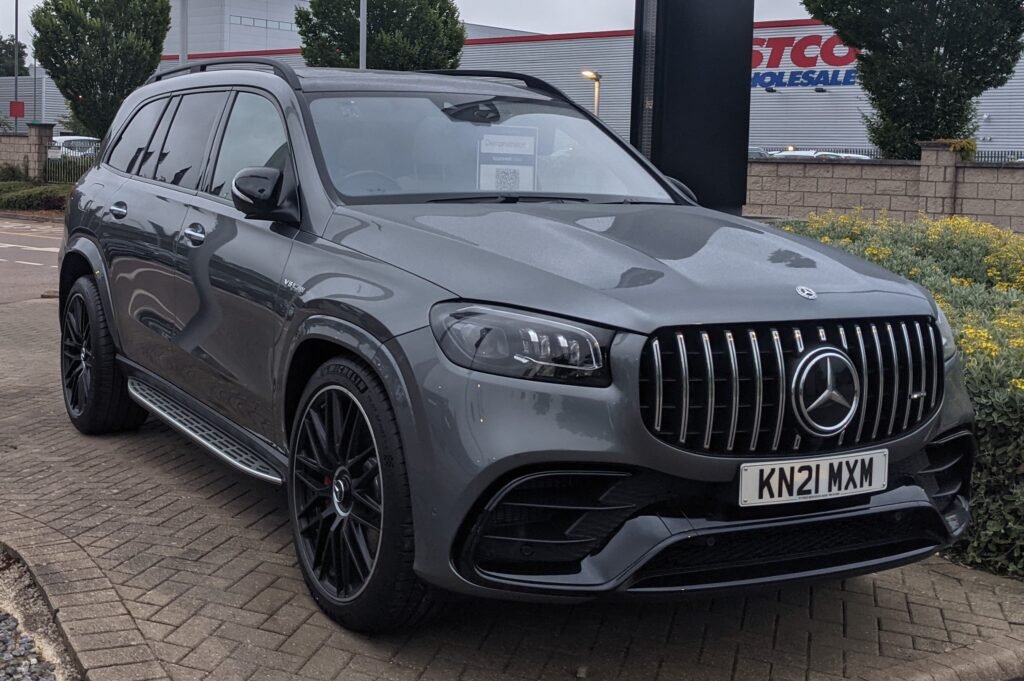
Mercedes-AMG isn‘t killing the V-8 in the GLS63—at least not yet. The 2027 model year retains the familiar 603-hp twin-turbocharged V-8, which means the three-row performance SUV still has enough grunt to embarrass most things half its size. But here’s the catch: this isn’t just the same engine carried over from the previous generation. AMG has done some serious reworking under the skin, and that’s actually the more interesting story than the headline horsepower figure.
The V-8 Gets a Refresh, Not a Retirement
For years, industry observers have been waiting for Mercedes to swap the GLS63’s V-8 for a smaller turbocharged engine or hybrid system. It hasn’t happened yet, and the 2027 model confirms AMG is keeping the big displacement where it matters most. The engine’s output remains pegged at 603 horsepower and 627 lb-ft of torque, figures that haven’t budged on paper—but the engineering underneath has evolved.
This is actually smart strategy. Rather than admitting defeat to electrification by killing the V-8 outright, AMG is refining what it has, likely improving efficiency, responsiveness, or both. It’s the kind of move that appeals to buyers who want a three-row SUV that can still hunt down smaller sedans at a stoplight, but without requiring them to feel like they’re piloting something from the stone age technologically. The GLS63 has been AMG’s flagship SUV since 2020, and keeping a V-8 in a vehicle this large and practical remains genuinely rare.
Why This Engine Still Matters
The V-8 is no longer the default for performance SUVs. CAFE fuel economy regulations have made eight-cylinder engines increasingly difficult to justify in corporate lineups, and the industry’s pivot toward electrification has accelerated dramatically over the past three years. BMW has already pushed hybrid technology deeper into its X7 lineup, and even Porsche is offering the Cayenne with optional hybrid powertrains.
But Mercedes-AMG is betting that there’s still an audience willing to pay premium dollars for authentic V-8 performance in a vehicle that can haul seven people and their luggage across a continent. That’s not a bad bet. The GLS63 occupies a curious niche—it’s expensive enough that fuel economy doesn’t move the needle much for typical buyers, but it’s practical enough that some will actually use it as a family hauler rather than a weekend toy. The engine choice feels deliberate, not accidental.
What the Changes Actually Mean
Without full technical details on the reworked engine architecture, it’s hard to say exactly what AMG has altered. The company could have revised internal components for lower friction, updated the turbocharger calibration, refined the fuel injection system, or any combination of the above. The horsepower and torque figures remaining identical suggests the changes are more about how the power is delivered rather than raw output—possibly smoother power delivery, faster response times, or improved efficiency that benefits real-world MPG numbers without sacrificing performance.
This approach mirrors what other luxury manufacturers have done when caught between performance expectations and regulatory pressure. Instead of slashing displacement or cylinder count (which feels like admitting defeat), they optimize what’s already proven to work. It’s not revolutionary, but it’s pragmatic, and it keeps loyal customers satisfied while buying time before the next major powertrain transition.
The Bigger Picture: How Long Can V-8s Survive in Luxury SUVs?
The 2027 GLS63 is likely one of the final generations where a pure gasoline V-8 will be the primary power source in a mainstream luxury SUV. Within five years, we’ll probably see hybrid variants become standard and gas-only options phased out entirely. Mercedes-AMG knows this, which is why preserving the V-8 now matters as much as it does—it’s one of the last chances to sell a genuinely unapologetic performance engine in a family hauler.
Buyers shopping this segment face a decision point. If you want a three-row SUV with a proper V-8 from a prestigious German brand, the window is closing. The 2027 GLS63 represents the final generation of an era, even if Mercedes won’t say it out loud yet. That’s not nostalgia talking—it’s just physics and regulation meeting business reality.
The GLS63’s 603 horses will still turn heads and humiliate unsuspecting sports cars at traffic lights. But what matters more is what’s happening in the engine bay: a company carefully stewarding one of its last true V-8 performance vehicles through a technological transition. That’s the real story here, and it’s more interesting than any spec sheet.
- The 2027 Mercedes-AMG GLS63 retains its 603-hp twin-turbocharged V-8, not swapping it for a hybrid or smaller displacement engine.
- AMG has reworked the engine internally, likely improving efficiency and response, though output figures remain unchanged.
- This may be one of the final V-8 generations for luxury SUVs before hybrid powertrains become mandatory across the segment.
Sources: Car and Driver