Rivian vs. Tesla Warranties: The Fine Print Battle Nobody Wants to Fight
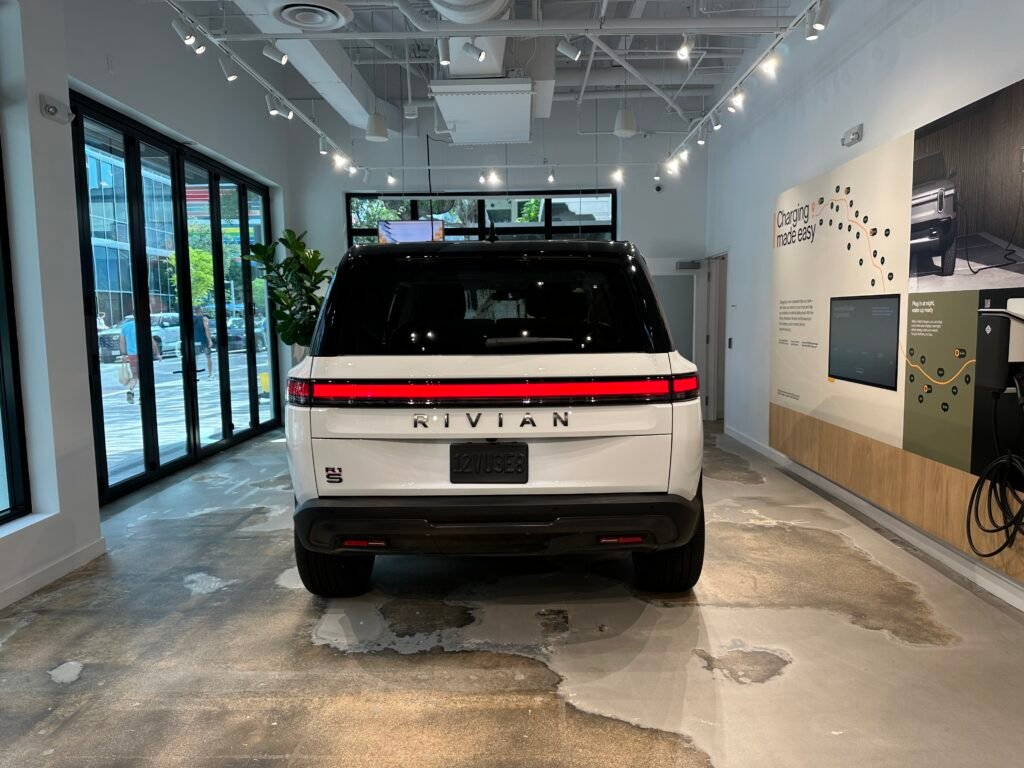
Both Rivian and Tesla claim to offer some of the longest warranty packages in the automotive industry. That’s marketing gold. But the moment something goes wrong—a leaky door seal, a battery that’s mysteriously lost 15% capacity, a wheel out of alignment—those glossy warranty brochures suddenly become a minefield of asterisks, exclusions, and corporate jargon designed to make you question whether you actually own the right to fix your own car.
The good news? When you strip away the hype, Rivian and Tesla’s basic warranty structures are nearly identical. The bad news? That identity extends to all the places where both companies find creative ways to not cover your repairs.
The Basic Warranty Showdown
Both Tesla and Rivian start with the same headline number: 4 years or 50,000 miles of comprehensive coverage, whichever comes first. This baseline applies to parts and components that fail due to defects in materials or workmanship. It’s a respectable floor, and frankly, better than what most gas-car manufacturers offer as their standard.
There’s one notable exception: 2022–2024 Rivian R1 models with the Quad-motor Large-battery configuration get bumped up to 5 years or 60,000 miles. It’s a small edge, and probably reflects Rivian’s attempt to reassure early adopters that their six-figure investment won’t turn into a paperweight after four years. Tesla doesn’t play those games—every Tesla gets the same warranty, no matter the configuration.
Now for the fun part: the exclusions. Both companies explicitly carve out environmental damage—storms, floods, hail, tree sap, bird droppings, and stone chips—from coverage. Yes, your warranty dies if a tree poops on your car. This isn’t unique to EVs, but it’s worth knowing that neither company considers acts of nature worth protecting against.
Where Rivian Actually Wins
Here’s where the story gets interesting: Rivian offers something Tesla explicitly refuses to cover. The 1-year or 12,000-mile Adjustment Warranty includes wheel alignment, tire balancing, and brake pad replacement. Tesla? Its warranty documents flatly state these services aren’t covered at all. This is a genuine competitive advantage, especially for owners who treat their cars like actual vehicles instead of museum pieces.
Rivian also has a stronger airbag and seatbelt warranty: 8 years or 100,000 miles compared to Tesla’s 5 years or 60,000 miles. If you’re buying an EV and thinking long-term, that’s meaningful—SRS systems are expensive to replace, and Rivian’s confidence in their components is worth noting.
However, Tesla swings back with corrosion protection. Tesla’s 12-year/unlimited-mile rust warranty demolishes Rivian’s 8-year/unlimited-mile package. In a rust-prone region, that could matter when you’re trying to sell a 10-year-old Model 3.
The Battery Warranty Game
This is where both companies get serious, and where both companies get equally opaque. Both Tesla and Rivian guarantee that your battery will retain at least 70% of its original capacity throughout the warranty period. They both offer 8 years of battery coverage, with mileage limits that vary by model.
Tesla’s battery warranty covers Model 3 and Y for up to 120,000 miles, while the Model S, X, and Cybertruck push to 150,000 miles. Rivian’s limits range from 120,000 to 175,000 miles depending on the vehicle and configuration—so the top-tier R1 actually outlasts most Teslas on paper.
But here’s where both companies pull the same bait-and-switch: if your battery fails and gets replaced, the replacement doesn’t reset the warranty clock. You don’t get a fresh 8-year countdown. More importantly, the replacement battery can be new, remanufactured, or refurbished—and it only needs to hit that 70% minimum-capacity threshold until your original warranty expires. After that, it’s your problem. Both companies dress this up in corporate jargon, but the message is clear: they’re betting on the fact that you’ll trade the car in before the battery truly dies.
The ZEV Wildcard
Both Rivian and Tesla comply with California’s Zero-Emission Vehicle (ZEV) warranty requirements, which cover certain propulsion-related components beyond the standard battery warranty. Rivian explicitly calls this out in the R2’s warranty guide. Tesla applies its ZEV Limited Warranties to all 2026 and later model-year vehicles, though the details are tucked away in the fine print.
ZEV coverage is a legal requirement in California and other states that follow its emissions standards, but it’s not uniform between manufacturers. For potential owners in those states, it’s worth digging into the specifics—this is where EV-specific protections actually matter, and where the regulatory framework gives you more protection than either company’s marketing team will acknowledge.
The Real Story
Here’s what matters: Rivian and Tesla’s warranty offerings are genuinely competitive at the headline level, but they diverge in meaningful ways. Rivian gives you coverage for wear items and SRS systems that Tesla explicitly excludes. Tesla counters with rust protection that lasts twice as long. Neither company will give you a replacement battery that resets the warranty clock, and both will deny coverage for your own stupidity (modifications, crashes, floods).
The reason warranty denials happen at both companies isn’t because of undisclosed loopholes—it’s because owners don’t read the fine print, dealers don’t fight for customers, and both companies have financial incentives to minimize payouts. The warranty is a contract, and like all contracts, it’s written by lawyers paid to protect the company, not you.
If you’re choosing between Rivian and Tesla based solely on warranty, you’re optimizing for the wrong thing. Choose based on the car itself, the dealer network, the charging infrastructure, and how much you trust each company to actually honor the warranty when things go sideways. The paper is almost irrelevant—it’s the people answering the phone that matter.
- Both offer identical 4-year/50,000-mile basic coverage, except 2022–2024 Rivian R1 Quad-motor gets 5 years/60,000 miles.
- Rivian wins on adjustment warranty (wheel alignment, tire balancing) and SRS coverage (8 years vs. Tesla’s 5); Tesla wins on corrosion (12 years unlimited vs. Rivian’s 8).
- Battery warranties are 8 years for both, with Rivian mileage limits reaching 175,000 miles—but neither resets the clock on replacement batteries, which can be refurbished instead of new.
Sources: Jalopnik