Tesla’s Model Y L Is Coming to America. Here’s Why It Actually Matters.
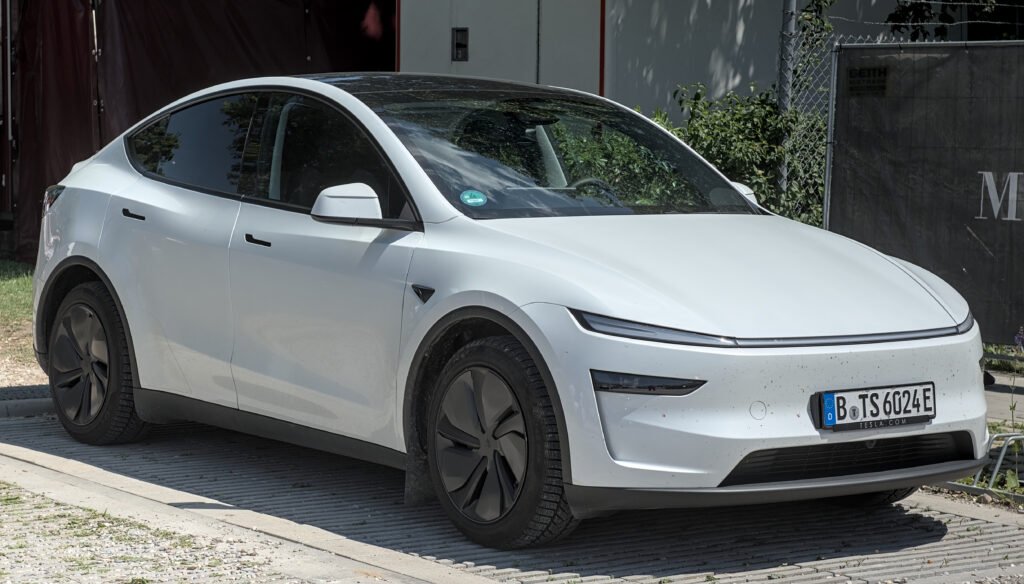
Tesla is about to solve a problem it created for itself: the need for a proper three-row SUV. According to Car and Driver’s reporting, the company plans to launch the long-wheelbase Model Y L in America before the end of 2026. This isn’t some niche China-market variant getting forgotten on the dock. This is a calculated move to fill the gap left by the Model X, which Tesla killed this spring after 11 years of production.
If you haven’t heard of the Model Y L, you’re not alone—it’s been a Chinese and Australian exclusive until now. But here‘s the thing: it actually makes sense for Americans, especially the subset of Tesla buyers who want more than two functional seats in the back row.
The Case for Long-Wheelbase Everything
The standard Model Y’s third row is a cruel joke. It’s technically there, sure, but asking actual humans to sit back there for longer than 10 minutes is like asking them to enjoy airline middle seats. Tesla knows this. Long-wheelbase variants have been a staple of Chinese automotive culture for decades, where chauffeur-driven luxury is the norm and rear-seat passengers aren’t an afterthought—they’re the entire point.
The Model Y L stretches the wheelbase by seven inches and raises the roofline by nearly two inches. That’s not trivial. Those measurements translate to actual, usable legroom for adults in the third row. The seating arrangement is three rows of two with captain’s chairs in the middle, meaning no middle-seat squabbles and a configuration that actually feels intentional rather than cramped.
The real story here is positioning. Tesla’s been selling roughly 78,000 Model Ys per quarter, which is one of every three EVs hitting American roads. The Model Y is already the bestselling EV in the country by a landslide. Adding a longer, more livable variant doesn’t cannibalize that—it extends reach upmarket to people who need actual three-row seating without buying a Model X knockoff from a legacy automaker.
Why the Model X Needed to Go
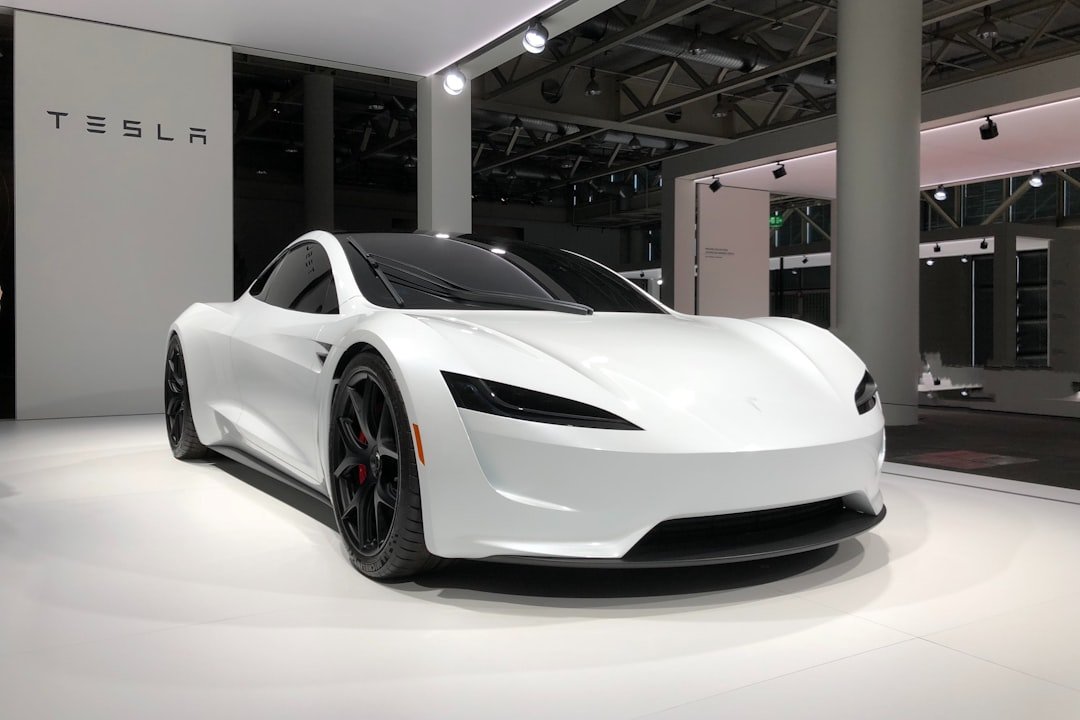
The Model X was an odd duck—a high-priced, technology-forward SUV that never quite found its footing beyond early adopters. At nearly $100,000 base price, it was positioned as Tesla’s luxury flagship, but it competed against nothing directly, and that made it vulnerable. When demand softened and margins got tight, it was an easy cut.
But Tesla still needs a three-row play. Market research consistently shows families shopping in the EV segment want that third row, whether they use it weekly or once a year. Rather than keep a low-volume, high-expectation vehicle like the Model X alive, Tesla’s approach is shrewder: take the mass-market Model Y—a 1.6 million-unit annual sales machine globally—and add a stretched variant for maybe 20-30% more cash.
The Model Y L will likely start around the low-$60,000 range based on Chinese pricing, making it expensive but not astronomical. Tesla’s efficiency advantage means even a longer, heavier variant should maintain respectable EPA-rated range, though nothing has been officially announced yet.
What We Know (and Don’t)
Tesla is staying tight-lipped on powertrain specifics. The obvious play is the dual-motor all-wheel-drive setup—the current standard that balances performance, efficiency, and cost. A rear-wheel-drive single-motor variant would follow naturally for price-conscious buyers, though whether a high-output Performance variant exists remains unclear. Car and Driver notes that Tesla declined to confirm any of this through official channels, which is on-brand for the company’s media-relations approach.
Manufacturing will happen at Gigafactory Texas, which makes sense geographically and operationally. Tesla’s got the production lines, the supply chain integration, and the scale to churn these out without cannibalizing standard Model Y output.
What This Means for the EV Market
Here’s the uncomfortable truth for everyone else: Tesla is playing a different game than traditional automakers. Legacy OEMs are building three-row EVs like the Hyundai Ioniq 9 and Kia EV9—purpose-designed, dedicated platforms with their own engineers, suppliers, and production lines. Tesla’s approach is platform optimization: stretch an existing platform, add strategic components, and leverage existing supply contracts.
That efficiency matters. It means the Model Y L can launch without massive R&D sunk costs, without retooling entire factories, and without cannibalizing a profitable existing model. It’s the kind of agility legacy automakers talk about but rarely execute.
The Model Y L probably won’t be groundbreaking. It won’t have more features than a Kia EV9 or more refinement than a Rivian. But it will be available, it will be efficient, and it will carry Tesla’s brand cache. For a substantial slice of the EV-shopping public, that’s enough.
Before 2027, expect to see Model Y L spec sheets floating around dealer networks, early adopters placing reservations, and the usual Tesla-specific YouTube content celebrating the arrival. This isn’t revolutionary—it’s just smart product planning. Sometimes that’s the most dangerous move of all.
- Tesla’s Model Y L (seven inches longer, two inches taller) launches in the U.S. before end of 2026 at Gigafactory Texas.
- It replaces the discontinued Model X, offering genuinely usable three-row seating in a more affordable, volume-focused package.
- Expected powertrain: dual-motor AWD, with RWD variant likely; exact range and pricing not yet official.
Sources: Car and Driver