
This 1971 Camaro Swapped Its Soul for a Fifth-Gen Dashboard—And It’s Actually Pretty Clever
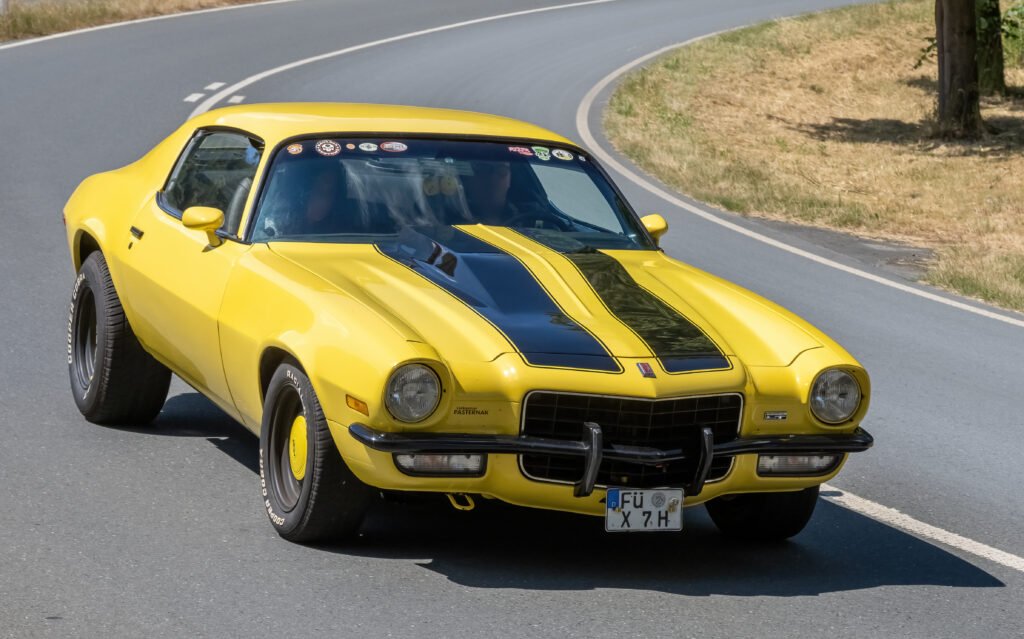
Restomod culture has reached peak absurdity—or peak pragmatism, depending on who you ask. Take this 1971 Chevrolet Camaro, heading to Mecum Auctions’ Nashville event in late September as part of the Johnson’s Horsepowered Garage Collection. Someone, somewhere, decided that the best way to honor this iconic muscle car wasn’t to preserve its original cabin—it was to gut it completely and drop in the entire dashboard, gauge cluster, steering wheel, door panels, air vents, and transmission tunnel from a fifth-generation Camaro. It’s the kind of move that’ll make purists spit their coffee into their lap. And yet, there’s something undeniably ballsy about it.
When Retro Meets Modernity
The interior transplant is the headline here, but let’s be honest: it’s a deeply polarizing move. Classic car enthusiasts venerate 1970s Camaros partly because they represent a simpler time—mechanical honesty, minimal electronics, and a dashboard that could survive a nuclear blast because it’s mostly cast iron and vinyl. Strip all that away, and you’re left with something that exists in an uncomfortable middle ground: not quite a period-correct restoration, not quite a modern project car either.
The fifth-gen dash (produced from 2010 to 2015) brings with it a more contemporary interior ergonomics, better switchgear, and what almost certainly amounts to digital instrumentation. Whether that’s an upgrade or a downgrade depends entirely on your philosophy about what a 1971 Camaro should feel like behind the wheel. The seat swap—ditching the original upholstery for the fifth-gen units—at least suggests the previous owner was going for a cohesive vision, even if that vision involves aggressively mixing decades.
The Mechanical Side Makes More Sense
Where this car stops being controversial and starts being genuinely impressive is under the hood. The Camaro is powered by an LS3 6.2-liter naturally aspirated V8 mated to a T56 six-speed manual transmission, sending power to the rear wheels. That’s not some slapdash engine drop—the LS family has become the gold standard for restomod powerplants precisely because it delivers modern reliability, parts availability, and legitimate performance without requiring a computer science degree to maintain.
Supporting that engine are Ridetech coilover suspension and aftermarket Wilwood brakes, which represent the responsible side of this build. A 1971 Camaro with original brakes and suspension is genuinely dangerous by modern standards; those upgrades transform the car from a rolling museum piece into something you can actually drive without white-knuckling the steering wheel. The car sits on 18-inch American Racing wheels wrapped in Mickey Thompson Sportsman tires, and the front end has been subtly modified for a more aggressive stance.
The odometer reads 34,849 miles, though the presence of a modern ECU (installed alongside the LS3) makes it impossible to know if that’s true mileage or a reset. This is one of those details that separates a thoughtful restomod from a quick flip—someone actually cared enough to integrate the modern drivetrain properly, even if we can’t verify the car’s true history.
The Restomod Debate: When Does Customization Become Sacrilege?
Here’s where RevFeed gets philosophical for a moment. The restomod movement exists in a strange zone between preservation and desecration, and opinions on cars like this one reveal a lot about what people actually value in classic machinery. Purists will argue—rightly—that swapping a fifth-gen interior into a 1971 Camaro erases irreplaceable original details and destroys the car’s authenticity. They’re not wrong. Original 1971 Camaro cabins represent a specific moment in design history, and once they’re gone, they’re gone.
But let’s also acknowledge the counterargument: a 1971 Camaro with a brutally uncomfortable original seat, a steering wheel the size of a ship’s wheel, and mechanical gauges that may or may not tell you the truth has limited utility as a daily driver. If your goal is to actually *enjoy* the experience of driving the car—to take it out on a weekend cruise without your back screaming—modern conveniences start to look pretty reasonable. The fifth-gen interior, whatever you think of it aesthetically, represents a genuine improvement in practicality.
What we’re really looking at is a car built for someone who wanted the *idea* of a 1971 Camaro—the straight-line performance, the visual presence, the cultural cachet—but without the compromises that come with authentic restoration. Whether that’s brilliant or blasphemous depends on your personal car philosophy. Neither answer is objectively wrong.
What to Expect at Auction
The car’s timing matters. Mecum’s Nashville event in late September typically draws serious money, and the Johnson’s Horsepowered Garage Collection (which includes other heavily modified vehicles like a 2006 Dodge Magnum SRT-8 and a 1972 Chevrolet Camper Van) suggests this is a curated lineup meant to appeal to buyers with significant budgets and adventurous tastes. A well-executed LS3 restomod with modern brakes, suspension, and interior will absolutely find an audience—and probably at a price that would surprise anyone expecting a simple restoration value.
The fifth-gen interior swap will be the polarizing detail that either attracts or repels potential buyers instantly. Expect spirited bidding wars among folks who see this as innovative customization, and firm passes from traditionalists who view it as heresy. That kind of divisiveness typically means strong auction results—the passionate buyers will outbid the fence-sitters.
At the end of the day, this 1971 Camaro is a statement about what modern restomod culture values: drivability, reliability, and the ability to enjoy a classic car without constantly worrying about it breaking down or killing you with an accident. The fifth-gen dashboard is the controversial cherry on top—a middle finger to purists and a shrug to pragmatists. It’s exactly the kind of car that sparks three-hour arguments in car forums, and honestly, that’s when you know a restomod has succeeded in its mission: making you *feel* something. Whether that feeling is approval or horror is entirely up to you.
- A 1971 Chevrolet Camaro heading to Mecum Auctions in Nashville this September features a complete fifth-generation interior transplant—dashboard, steering wheel, door panels, gauge cluster, and seats.
- Power comes from a 6.2-liter LS3 V8 with a T56 six-speed manual, backed by Ridetech coilovers and Wilwood brakes for genuine driveability.
- The car reads 34,849 miles on the odometer, but a modern ECU makes verification impossible; it’s part of the Johnson’s Horsepowered Garage Collection lot.
Sources: Carscoops