Mercedes Could Get Banned From America. Here’s Why Nobody Actually Believes It.
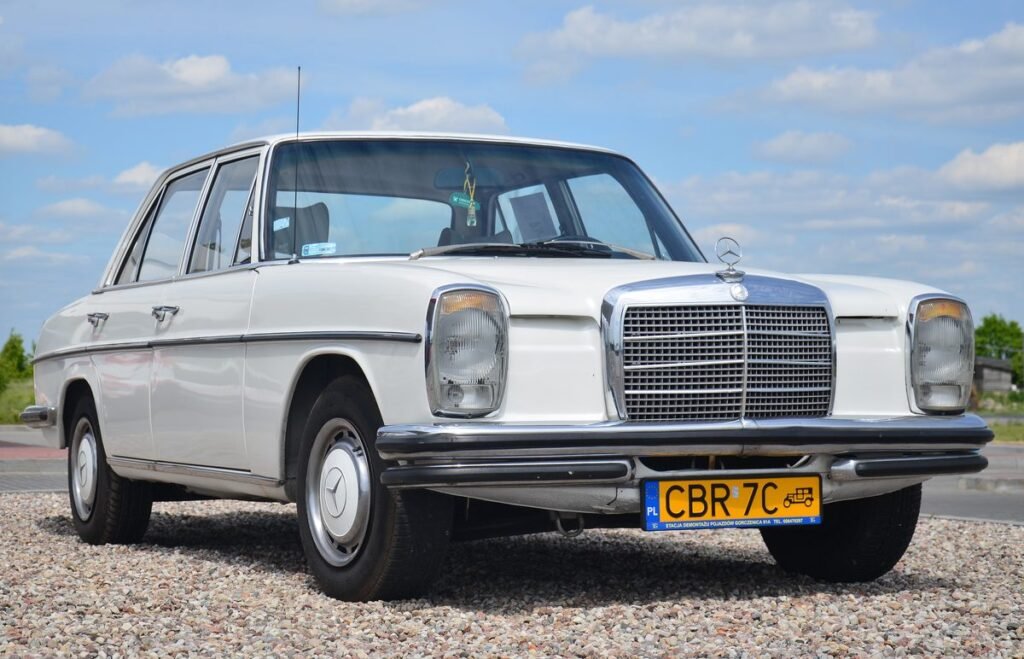
The United States Senate Commerce Committee just approved a bill that could technically ban Mercedes-Benz from selling cars in America. And if you’re panicking about losing access to the S-Class, don’t — because nobody in Congress actually wants that to happen, and everyone involved knows it.
Here’s what went down: The Senate Commerce Committee approved legislation on Wednesday that would prohibit automakers with more than 15 percent ownership by Chinese entities from selling vehicles in the U.S. Mercedes-Benz currently sits at nearly 20 percent Chinese ownership, making it technically non-compliant under the proposed rule. But before you start mourning the death of German luxury in America, understand that this bill is riddled with loopholes big enough to drive a G-Wagen through.
The Ownership Structure That Started This Mess
Mercedes’ Chinese exposure comes from two separate entities. Geely founder Eric Li Shufu owns 9.7 percent of Mercedes through an investment firm, while the BAIC Group (Beijing Automotive Group) holds another 9.98 percent. Together, they’re just over that 15 percent threshold, which triggers the ban under the proposed legislation.
But here’s where it gets interesting: Senator Ted Cruz, the Commerce Committee chair, basically said out loud that he doesn’t actually want to ban Mercedes. In a Reuters report on the committee vote, Cruz acknowledged the Mercedes situation and noted that Senator Bernie Moreno (R-OH) said the automaker would have until 2030 to comply — essentially giving Mercedes a seven-year get-out-of-jail-free card. Oh, and there’s also a waiver provision that could let Mercedes skirt the entire regulation altogether.
The Real Story: This Is About GM vs. Mercedes, Not National Security
Cruz didn’t mince words about what’s actually happening here. According to Reuters, the senator directly stated that General Motors is pushing for this legislation as a way to remove Mercedes from the picture and make Cadillac more competitive. That’s not hypothetical — that’s admission of legislative motivation rooted in corporate competitive advantage, not genuine geopolitical concern.
And yet Cruz concluded that “we would never consider” banning Mercedes-Benz from the U.S. market. So let’s translate what he’s really saying: We’re passing a bill that technically targets Mercedes, but we’re building in so many exit ramps that it’ll probably never apply to them. It’s political theater dressed up as policy.
The Polestar Precedent: When Geely Ownership Actually Matters
The irony gets thicker when you look at what’s already happened to Polestar. The Swedish EV brand, also owned by Geely, was informed by the U.S. Department of Commerce’s Bureau of Industry and Security that it won’t be able to sell vehicles in the U.S. starting in 2027. Volvo, another Geely-owned company, somehow managed to get authorization to continue sales in May — though with conditions attached.
So we’ve got a situation where three Geely-owned automakers face three completely different outcomes under the same regulatory framework. Polestar gets banned outright. Volvo gets conditional approval. Mercedes gets a 2030 deadline plus potential waivers. The lack of consistency here isn’t a bug; it’s proof that these decisions aren’t being made on purely technical or security grounds.
Why Mercedes Will Probably Be Fine
Mercedes has several clear paths to survival. The simplest: divest enough Chinese ownership to get below 15 percent before 2030. The company could pressure either Geely or BAIC to reduce their stakes, and both have incentives to do so if facing a U.S. market ban is on the table. Alternatively, Mercedes could apply for a waiver, which Moreno’s comments suggest are definitely on the menu. Or the entire bill could stall, get watered down, or die in committee — which happens to plenty of legislation that sounds urgent in headlines.
The worst-case scenario for Mercedes isn’t actually a ban. It’s years of regulatory uncertainty that might crimp investment in American operations or new model launches. But an outright prohibition? Not happening. Not when the committee chair just said publicly that he doesn’t want one.
The Bigger Picture: China Trade Policy Gets Personal
This legislation is really a symptom of how trade policy with China has become entangled with corporate lobbying. General Motors didn’t wake up one day worried about national security — they woke up worried about Cadillac sales numbers. Using legislative tools designed to protect against foreign adversarial control to remove a luxury competitor is creative, sure, but it’s a thin disguise.
The fact that it’s working (sort of — for Polestar at least) shows how much leverage these arguments have in Congress right now. China-related automotive restrictions are popular bipartisan talking points, which makes them useful cudgels for one automaker to swing at another.
Mercedes-Benz will keep selling cars in America, probably without meaningful disruption. But the company should pay attention to how quickly legislative tools can be pointed in its direction when profits and politics align. For now, though, this is less a genuine threat and more a warning shot fired by General Motors through the Senate Commerce Committee.
- The Senate Commerce Committee approved a bill banning automakers with more than 15% Chinese ownership; Mercedes sits at roughly 20%.
- Mercedes gets until 2030 to comply and can potentially get waivers — basically, the law has built-in escape hatches.
- Senator Ted Cruz admitted General Motors pushed this specifically to hurt Cadillac’s competition and said Mercedes won’t actually be banned.
- Geely-owned Polestar faces a hard 2027 ban, while Volvo got conditional approval, proving consistency isn’t the priority here.
Sources: Car and Driver · Reuters