Ford’s New Customization Empire: The $800 HP Mustang Meets the Practical Maverick
Ford just did something quietly radical: it turned the scattered world of factory performance upgrades, genuine accessories, and dealer-installed modifications into a single, coherent business. And it’s putting serious money behind it.
The company is consolidating Genuine Ford Accessories, Ford Racing Parts, and its Ford Custom Garage operation under one umbrella called Ford Customization. The goal is blunt—make it possible for a customer to walk into a showroom, configure a car the way they want it (from floor mats to a 3.0-liter Whipple supercharger that turns 480 hp into 810 hp), finance it through Ford Credit, and drive home knowing the warranty is still intact. No asterisks. No fine print about voiding coverage once you touch the engine bay.
That last part matters more than you’d think. Historically, the moment a buyer modifies a factory vehicle, warranty questions become a legal minefield. Ford is betting that removing that friction point is worth the engineering investment.
The Lineup: Three Very Different Takes on Customization
Ford is leading with three showroom-ready performance models: the Maverick 300T, the Mustang GT FP800S, and the F-150 FP700. Each one tells you something different about where Ford thinks the money is.
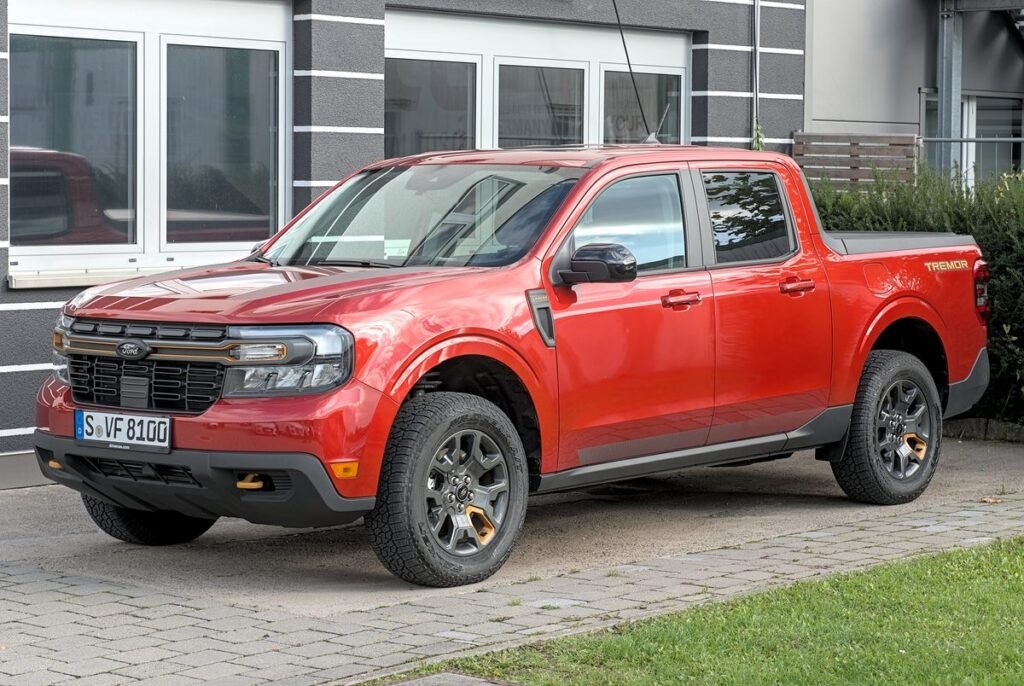
The Maverick 300T is the proof of concept. Built on the AWD XL and XLT trims, it takes the truck’s stock 2.3-liter EcoBoost and adds an upgraded turbocharger, upgraded cooling, a larger intercooler, and a specific software tune to deliver 300 horsepower and 317 pound-feet of torque. Bolt on a set of 20-inch Mustang Mach-E GT wheels wrapped in 245-series Michelin Pilot Sport 4S rubber, and you’ve got a truck that feels genuinely responsive. During a brief stint on an autocross course, the 300T showed noticeably sharper turn-in and better rotation under throttle compared to the stock Lobo—the differences measured in whole seconds, not fractions. For a vehicle that starts under $25,000 in base form, that’s a meaningful upgrade.
The Mustang GT FP800S Bronze MagneRide is the statement car. We’re talking about a Mustang with a Whipple supercharger (same one that powers the 810-hp version), MagneRide adaptive dampers with a unique Ford Performance ProCal 4 tune, half-shaft upgrades, and performance-spec rubber (305/30ZR-19 up front, 315/30ZR-19 out back). It feels like the standard Mustang GT but with every muscle fiber amplified—sharper, angrier, more responsive in every dimension. One drive and it’s clear this isn’t just a supercharger bolt-on; it’s a complete platform rethink.
The F-150 FP700 already exists in the market, but now it’s integrated into the customization ecosystem. The Maverick 300T essentially mimics that proven formula at a smaller scale, which suggests Ford knows what it’s doing with these packages.
Financing Your Way to 810 Horsepower
Here’s the real innovation: all of this—whether you’re buying a factory-built 810-hp Mustang SP800 or a $500 supercharger you plan to install yourself—can be financed through Ford Credit. That changes the math entirely. An 810-hp Mustang isn’t just aspirational fantasy anymore; it’s a monthly payment that happens to come from the same company that built the car.
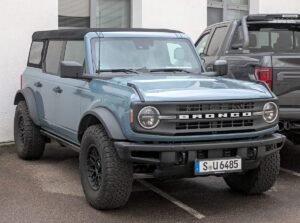
And the warranty protection is genuine. Add the Torque Boost software calibration to a Bronco or Ranger Raptor through the dealer? Your three-year, 36,000-mile powertrain warranty stays intact. Mount that Whipple supercharger on the Mustang V-8? Same deal. Ford engineered all these parts to work together from the factory, not reverse-engineered them after the fact. That means they’re tested as a system, not bolted on and hoped for.
The real value is velocity. Most of this hardware and the complete vehicles are available at launch. There’s no waiting months for aftermarket shops to figure out tuning, fitment, or reliability. Ford has already done that work.
What This Actually Means for the Market
Ford’s own research shows that the under-30 demographic is customizing vehicles at higher rates than any other age bracket, and they’re doing more intense modifications. That’s the demographic the company is chasing—younger buyers who want to feel ownership and agency in their vehicles, not drive appliances off the lot. That philosophy, wrapped in Ford’s tagline of “There’s no right way to be an enthusiast, only your way,” is both genuinely appealing and a little bit cynical. (The slogan is clearly borrowed from Burger King’s “Have it Your Way” formula from the ’70s, a fact that should make you smile.)
Ford is making a calculated bet that the multi-billion-dollar aftermarket segment has room for a factory-backed player who can eliminate friction and warranty anxiety. Historically, that space has belonged to third-party shops, specialty tuners, and online retailers. Now Ford is saying: we’ll do it, we’ll finance it, and we’ll back it with warranty. That’s a significant shift in how the OEM sees the customization business.
The real test comes next. Can Ford execute at scale? Can it keep parts in stock? Can dealers handle the complexity of these builds without turning customers into frustrated spectators waiting for their car? Those are operational challenges that matter far more than the marketing brilliance of bringing everything under one roof.
The Verdict
Ford Customization is smart product strategy dressed up in enthusiast language. It removes the guesswork from modifying a vehicle—no more hunting for parts, wondering if they’ll work together, or sweating warranty implications. You want a 300-hp Maverick or an 810-hp Mustang that’s already been engineered and tested as a complete system? Write a check, get it financed, and drive home. That’s not radical, but it’s effective. Whether the company can deliver on that promise at scale is the only question that matters now.
- Ford Customization unifies factory accessories, performance parts, and custom builds under one program with factory warranty protection.
- The Maverick 300T delivers 300 hp from a turbocharged 2.3L; the Mustang GT FP800S hits 810 hp with a Whipple supercharger—both available factory-ready.
- All packages can be financed through Ford Credit, and the three-year powertrain warranty stays intact, even on supercharged builds.
Sources: Car and Driver