Cupra Is Killing Bright Colors. It’s Actually a Smart Brand Move.
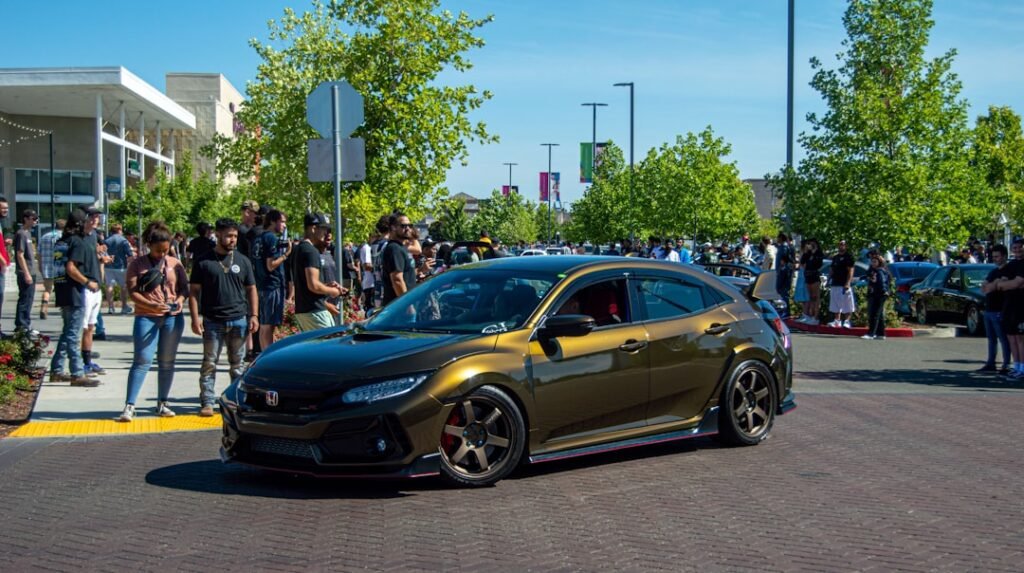
Photo by Nathan Marquardt on Unsplash
There was a time when a Cupra in screaming yellow felt like the entire point of buying one. That era is officially dead. The Volkswagen Group‘s standalone performance brand has made a calculated decision to ditch its heritage palette of eye-searing brights in favor of moody, matte finishes that scream sophistication rather than hot-hatch aggression. It’s a pivot that sounds like corporate overthinking, but it’s actually one of the smartest brand repositioning moves happening in the automotive industry right now.
From Yellow-Hot Hatchback Icon to Muted Minimalist
Cupra wasn’t always its own thing. Before the brand went independent in 2018, it was the performance subsidiary of Seat—think of it as Seat’s version of what GTI is to Volkswagen. Early Cupra Ibizas and Leons came draped in those neon yellows that became utterly synonymous with the nameplate. Bright, loud, impossible to miss in a parking lot. That was Cupra’s entire personality.
Now? The company is actively running away from that identity. Francesca Sangalli, Head of Color and Trim at both Seat and Cupra, made the brand’s position crystal clear in recent comments: a traditional red or yellow Cupra isn’t happening again. “We will leave that to Ferrari or other brands with strong colors,” she explained. “This is linked to their brand identity, but for us, this doesn’t fit.” Translation: we’re not that brand anymore, and frankly, we don’t want to be.
The Strategy Behind the Matte Shift
This isn’t random aesthetic whimsy. It’s a deliberate effort to create psychological distance between Cupra and its mass-market Seat heritage. The new color philosophy centers on what Sangalli calls “neutral color with a twist”—basically, understated sophistication with tiny flourishes. Matte finishes and what she describes as “oily treatment of color” create depth without screaming. The Raval’s Manganese Green Matte and the Born’s Dark Forest aren’t accident names—they’re carefully chosen to telegraph a different kind of performance brand.
Compare that approach to what Seat itself is doing with its refreshed Ibiza and Arona: Liminar Red, Hypnotic Yellow, Fiord Blue. Those names feel almost satirical next to Cupra’s palette. The color naming alone tells you everything about the brand split. Seat is chasing volume and youthfulness. Cupra is hunting sophistication and premium positioning.
Why This Actually Works (Even If It Feels Risky)
At first glance, ditching your most recognizable visual signature seems insane. Cupra’s bright yellows were iconic—they were the brand’s calling card, instantly recognizable, almost tribal. Walking away from that is like Ferrari saying it’s abandoning red (though Cupra’s comparison to Ferrari here is both flattering and slightly delusional, but okay). The question becomes: will customers follow?
Sangalli’s answer is essentially: the people buying Cupra cars right now are already buying into what Cupra has become, not what it used to be. In other words, Cupra’s current audience isn’t hanging onto nostalgia for neon yellow hot hatches. They’re interested in the brand as it exists today—a relatively premium performance marque positioned above the mainstream but below traditional luxury. Those people likely prefer a matte forest green to a highlighter yellow anyway.
This is a real insight: brand loyalty doesn’t always run backward to heritage aesthetics. Sometimes it runs forward to identity. If Cupra’s core buyers are already embracing darker, more sophisticated positioning, the company is simply matching its color strategy to where its customers already are mentally.
The Broader Color Wars in Automotive
Cupra isn’t alone in making color a strategic pillar. Fiat made waves back in 2023 by announcing it would stop selling grey cars entirely, betting that customers wanted more personality, not less. Meanwhile, manufacturers globally have watched the rise of “sophisticated” palette naming and matte finishes—Porsche’s rich dark greys, BMW’s metallic coppers, even mainstream brands dabbling in earthy tones.
The automotive industry has basically figured out that color names matter. Calling something “Magnetic Grey” instead of just “grey” apparently changes how premium customers perceive it. The psychology works. You’re not buying a grey car; you’re buying restraint and thoughtfulness. It’s rebranding through nomenclature, and it works often enough that Cupra is betting the farm on it.
The Real Test Ahead
The Terramar still shipped with Desire Red—a last-minute concession to market reality or a final gasp of the old guard? Either way, the rest of Cupra’s lineup is already locked into the new philosophy. The Born in Dark Forest, the Raval in Manganese Green Matte—these are the future, and they look absolutely nothing like the hot-hatch era that made the brand famous.
Whether this strategy actually works depends on execution and market timing. If Cupra nails the premium positioning and delivers genuinely compelling performance cars wrapped in these sophisticated colors, the brand reinvention sticks. If the cars feel half-baked or the colors come across as trying too hard, Cupra becomes the automotive equivalent of a former rock band trying to go “artistic” and landing in irrelevance. There’s no middle ground with moves this bold.
But here‘s what matters: Cupra is making a choice about who it wants to be, and it’s executing that choice ruthlessly. That’s refreshing in an industry where most brands hedge their bets and end up talking to everyone and winning over no one. Cupra looked at its yellow heritage, decided it was holding the brand back, and walked away cleanly. You have to respect the conviction, even if the audacity is almost comical.
- Cupra is permanently ditching bright red and yellow from its color palette, moving to matte, moody finishes instead.
- The shift aims to distance the brand from its mass-market Seat origins and signal premium positioning.
- Color names like “Manganese Green Matte” and “Dark Forest” replace vibrant options like “Hypnotic Yellow,” reflecting a complete brand personality reset.
- The Terramar’s Desire Red may be the last bright option; the rest of Cupra’s lineup is already locked into the new strategy.
Sources: Carscoops