Kia Just Cut EV6 Prices by $5,450. Here’s Why That Actually Matters.
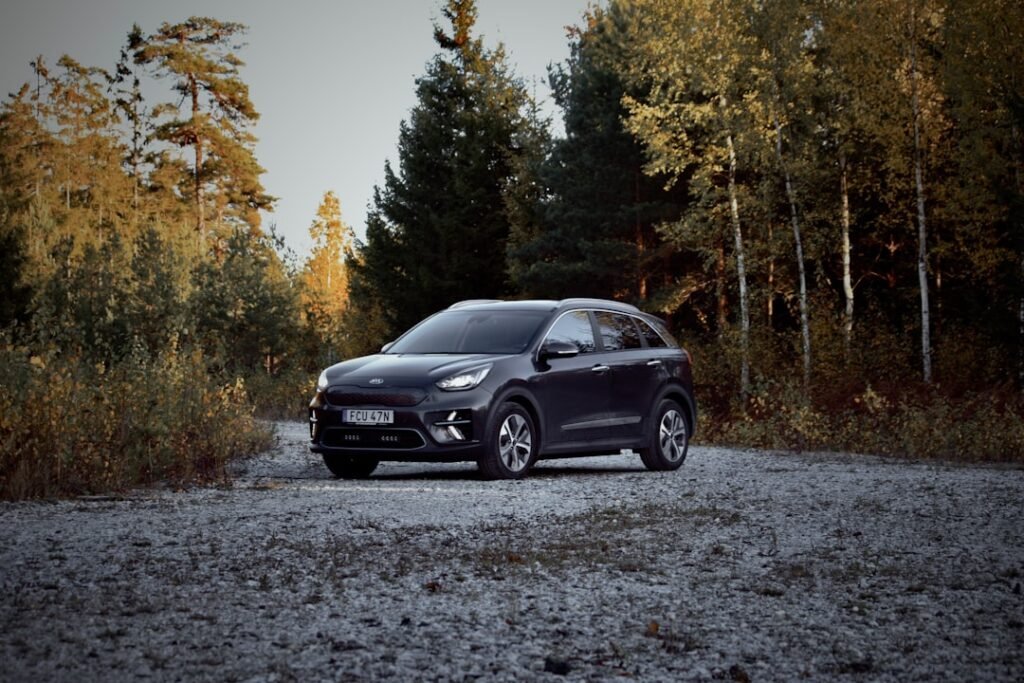
Photo by Celine Granetin on Unsplash
Kia just did something smart: it made an electric car cheaper instead of piling on features nobody asked for. The 2026 Kia EV6 lineup is now significantly more affordable than its 2025 counterpart, with price cuts ranging from $4,950 to $5,450 across the board. The Light trim—the entry point to the EV6 family—now starts at just $39,445, making it genuinely competitive in a segment that’s finally getting serious about affordability.
This isn’t a small adjustment. This is a reset. And it comes after months of uncertainty about whether the EV6 would even survive to 2026.
The Pricing Breakdown: What You’re Actually Getting
Kia’s 2026 EV6 roster has been trimmed down—the GT performance variant is conspicuously absent—but the remaining three trims hit different price points for different buyers. The Light trim at $39,445 undercuts last year’s version by nearly five grand. Move up to the Wind, and you’re looking at $46,345, which is $5,450 cheaper than 2025’s Wind trim. The GT-Line, the range-topper, lands at $50,245, also down $5,450 from last year.
That Light trim pricing is the real story here. Under $40,000 for a compact electric SUV with legitimate range and Kia’s build quality? That’s the price point where mass-market EV adoption actually starts happening, not in some theoretical future, but right now. For context, that undercuts the Tesla Model Y in most configurations and puts the EV6 in direct competition with cars like the Chevy Equinox EV—which starts even lower but lacks the brand cachet Kia has built in the last five years.
Why the Cuts Matter (And What They Cost Kia)
Here’s where it gets interesting: these price cuts reflect a market shift that nobody could have predicted two years ago. EV competition has gotten genuinely brutal. Brands that used to charge Tesla prices for “future technology” are now realizing the future is already here, and it’s crowded. Kia’s move isn’t generous—it’s strategic survival.
The absence of the EV6 GT for 2026 is telling. Performance variants are typically margin-heavy, which means Kia’s willing to sacrifice that profitability to drive volume in the mid-range trims where real sales happen. That’s a calculated bet that moving more Light and Wind models at lower prices beats sitting on expensive GT inventory waiting for the rare buyer who wants a sporty EV and has $55,000-plus burning a hole in their pocket.
Kia also had to move fast here. Earlier this year, the brand was caught in limbo—rumors swirled that the EV6 might not return at all, with the corporate cousin Hyundai Ioniq 6 facing similar uncertainty. Those whispers died the moment pricing dropped, which means Kia’s signaling confidence in the model’s future. No brand announces aggressive price cuts for a nameplate they’re about to kill.
The Broader Context: Why GM’s Import Numbers Tell a Different Story
While Kia is doubling down on the EV6, it’s worth noting the larger industry picture. The so-called “domestic” automakers are actually global manufacturers with complicated supply chains. General Motors shipped in 1.17 million vehicles last year—many of them South Korean-built models like the Chevy Trax and Trailblazer that now compete directly with cars like the EV6. Ford brought in 378,123 imported units, while Stellantis imported over 513,000.
What does this mean for Kia? It means the EV6’s competition isn’t just from other Korean brands or Tesla. It’s from GM’s own portfolio of cheap, imported compact SUVs that are also undergoing price adjustments to compete in a softer market. The pricing war isn’t just between brands—it’s within corporate families.
The GT Situation and What’s Next
The missing EV6 GT is worth talking about separately. Kia told Car and Driver back in March that both the EV6 GT and the EV9 GT were being delayed indefinitely due to changing market conditions. That’s corporate speak for “we’re not confident the high-margin performance variants will sell at premium prices.” It’s a temporary call, not a permanent one—Kia hasn’t killed the GT, just postponed it until market dynamics shift back in its favor.
That delay actually helps the 2026 lineup’s positioning. By eliminating the GT option, Kia simplifies the buying decision and doesn’t canibalize GT-Line sales by offering a $5,000-more-expensive alternative. Smart portfolio management in a market where decision paralysis kills sales.
The Real Question: Is This a Preview of the New EV Market?
Kia’s price cuts on the EV6 aren’t an anomaly—they’re a template. The EV market has fundamentally shifted from “premium tech tax” to “competitive commoditization.” Brands that built early EV credibility—like Kia and Hyundai—are leveraging that to undercut newcomers and established players alike. Tesla can’t undercut on price anymore because it raised prices during the interest-rate hiking cycle. Legacy OEMs are still retooling supply chains. That leaves space for Kia to dominate the value-conscious EV buyer.
What makes the 2026 EV6 noteworthy isn’t just that it’s cheaper—it’s that Kia is willing to absorb margin pressure to defend market share. That’s the move of a brand that knows the EV future isn’t speculative anymore. It’s Tuesday. And on Tuesday, affordable electric cars matter more than expensive ones.
- 2026 Kia EV6 Light trim starts at $39,445—nearly $5,000 cheaper than 2025.
- Wind and GT-Line trims drop $5,450, landing at $46,345 and $50,245 respectively.
- The performance EV6 GT is delayed indefinitely; Kia’s prioritizing volume over margin in the value segment.
- GM imports 1.17 million vehicles annually, signaling EV6’s real competition comes from domestic brands’ global supply chains.
Sources: Car and Driver · Carscoops