Every EV You Can Actually Buy in America Right Now. The Complete Map.
Remember when “electric vehicle” meant a golf-cart-adjacent econobox with a 100-mile range and a 12-hour charging time? Yeah, those days are ancient history. The EV market has matured from a niche curiosity into something that actually matters—and it’s no longer just Tesla’s playground. Every major automaker now has skin in the game, and the lineup of available vehicles has exploded from a handful of forgettable compliance cars into legitimately compelling machines across virtually every segment you can name.
What started with the Nissan Leaf and Tesla Roadster making their comeback in the late 2000s has evolved into a full-spectrum assault on the internal combustion engine. Charging speeds have become genuinely reasonable. Driving ranges have crossed the 300-mile threshold as a baseline rather than a luxury. And automakers have finally figured out that people don’t want EVs that look like quirky science experiments—they want electric versions of the vehicles they actually want to drive.
The Electric Market Has Gone Mainstream
The math is simple: gas-powered vehicles still dominate U.S. sales, but their market share is eroding visibly. That’s not speculation or industry hype—it’s just what happens when battery technology improves, charging networks expand, and consumers realize electric powertrains deliver instant torque, low maintenance, and genuinely impressive efficiency. We’re at the inflection point where EV adoption stops being about virtue signaling and starts being about practical value.
The real story here isn’t that Tesla exists (everyone knows that). It’s that you can now walk into a Chevrolet dealership and buy a legitimate EV crossover. You can get a Hyundai that seats five people and goes 300+ miles on a charge. You can buy a truck—an actual pickup truck—that runs on batteries. The segment expansion is what matters, because it means EVs aren’t just for early adopters anymore. They’re for normal people who want normal cars.
Here’s What’s Actually Available Right Now
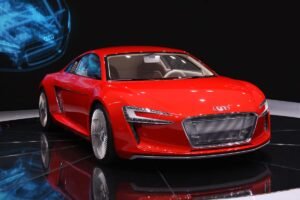
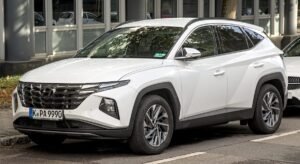
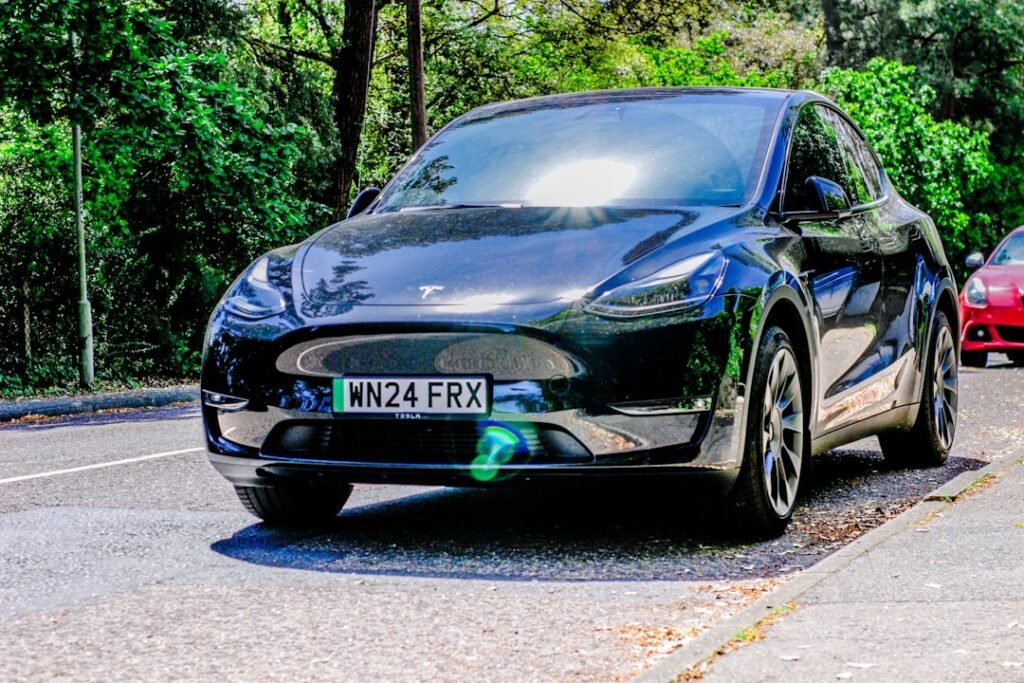
The EV landscape in America has fractured into distinct tiers. At the premium end, Tesla still owns the performance segment with the Model 3 and Model Y—though Porsche’s Taycan, BMW’s i4, and the Mercedes EQE are mounting increasingly credible challenges. The midmarket has exploded with options: Chevrolet’s Bolt EV/EUV lineup, Volkswagen’s ID.4 and ID.5, Hyundai’s Ioniq 6 and 7, Kia’s EV6 and EV9, and Ford’s Mustang Mach-E. If you want an EV SUV in 2026, you’ve got approximately 47 choices.
Then there’s the budget tier, where Nissan’s Leaf still exists (updated, but recognizable), Chevy’s Equinox EV offers surprising value, and companies like Volkswagen are actually selling cars in the mid-$30k range. Luxury buyers get Tesla’s Model S and X, plus a deep roster from BMW, Mercedes, Audi, Porsche, Jaguar, and Lucid. Even trucks are getting in on the action—the Ford F-150 Lightning and Chevy Silverado EV represent genuine transportation solutions, not just tech showcases.
What’s conspicuously absent? Hydrogen-powered vehicles, which promised to be the “real” future back in 2010 and never materialized. Good riddance. We’re also not drowning in Chinese EV brands yet, though that’s coming and will likely shake things up further.
Why the Sudden Saturation Matters
The speed of this transition is the underrated story. Ten years ago, you could count American EV options on your fingers. Now it’s easier to list the segments that *don’t* have electric offerings. Automakers didn’t suddenly have a collective epiphany about climate change—they realized their spreadsheets were screaming that EVs are where the money is moving. Whether you think that’s cynical or pragmatic depends on your outlook, but the result is identical: genuine choice.
This also means automakers actually have to innovate instead of just slapping a battery on existing platforms. Yes, plenty of them did exactly that (looking at you, some VW ID.4 competitors). But the competitive pressure is forcing real thinking about charging infrastructure, battery cost, and real-world usability. The Hyundai Ioniq 6 exists specifically because Hyundai realized it could build a sedan that’s both efficient *and* desirable. The Kia EV9 is a genuine three-row family hauler, not a compromise.
The Charging Question (Which Is Actually Getting Better)
“But where do I charge?” is still the reflexive question, and it’s still worth taking seriously. Home charging remains the best solution for daily driving, and the Tesla Supercharger network has stopped being exclusively Tesla’s. The expansion of third-party DC fast-charging networks like Electrify America, EVgo, and others means you can actually take road trips in most American EVs without doing complex logistics calculations.
Is the infrastructure perfect? No. Is it at the point where daily EV ownership makes sense for most people with parking? Absolutely yes. The sweet spot is someone with a driveway who charges overnight and only uses fast chargers for road trips. That’s not a minority situation anymore.
What This Means for You
The practical takeaway is simple: if you’re shopping for a car right now and you want an EV, you have actual choices based on your needs and budget, not just whatever single option was available in your segment. A family needing three rows? Kia EV9. Commuter who cares about efficiency? Ioniq 6. Want performance and don’t care about charging times? Model 3 Performance still dominates. Need a truck? F-150 Lightning works if you’ve got the budget.
The EV market in America has stopped being a novelty and started being a market. That’s not hype—that’s just how mature industries work. The winners will be the automakers who actually understand what their customers want rather than the ones shipping tech demos with four wheels.
Frequently Asked Questions
What EVs are available in America in 2026?
Nearly every major automaker now sells at least one EV in the U.S., with options spanning compact hatchbacks (Chevy Bolt), sedans (Tesla Model 3, Hyundai Ioniq 6), crossovers (Volkswagen ID.4, Kia EV6), three-row SUVs (Kia EV9), trucks (Ford F-150 Lightning), and high-performance models (Tesla Model S/X, Porsche Taycan). The lineup includes affordable options starting around $26k and premium vehicles exceeding $100k.
Is charging infrastructure good enough for daily EV use in 2026?
Home charging remains the best solution for most owners and makes daily EV ownership practical if you have a driveway. DC fast-charging networks have expanded significantly beyond Tesla’s Supercharger system, with competitors like Electrify America and EVgo now offering reasonable coverage for road trips. Long-distance travel still requires more planning than gas cars, but regular commuting is straightforward.
Which EV brands actually sell in the U.S. right now?
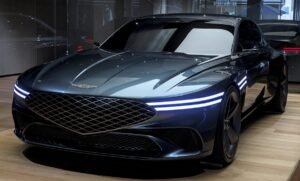
Major EV brands available in America include Tesla, Chevrolet, Ford, Volkswagen, Hyundai, Kia, BMW, Mercedes-Benz, Audi, Porsche, Jaguar (exiting but still available), Lucid, Rivian, Subaru, Volvo/Polestar, Genesis, and several others. Nearly every mainstream automaker now has at least one electric offering, with luxury brands offering multiple models.
Are American-made EVs a good value compared to imports?
American EVs like the Chevy Equinox EV and Ford Mustang Mach-E offer competitive pricing and solid features, though they’re not inherently better or worse than imports. Your decision should depend on your specific needs—price point, range, charging availability, warranty, and driving experience—rather than where it’s assembled.
Via RevFeed Archive — Original article
- EVs now span every automotive segment—from affordable hatchbacks to premium SUVs and performance machines.
- Electric vehicle market share is growing steadily as charging infrastructure improves and battery range expands beyond 300 miles for most models.
- This is your complete breakdown of which automakers sell EVs in the U.S. and what they’re offering in 2026.