The 2026 Mitsubishi Outlander Has a Real Third Row. That’s Huge.
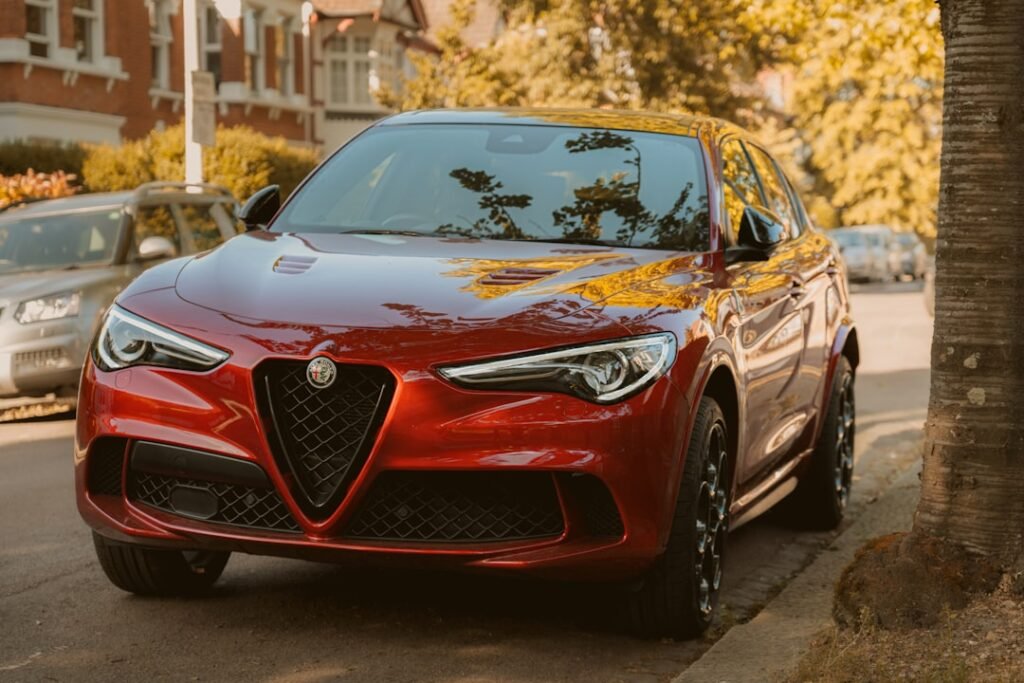
Photo by Samuel Hagger on Unsplash
Here’s the thing that nobody talks about when they’re shopping compact SUVs: almost none of them actually have a third row. The Toyota RAV4? Nope. The Honda CR-V? Nope. The Subaru Crosstrek? Double nope. You get a spacious two-row layout, decent cargo space, and a price tag that won’t require taking out a second mortgage—but if you need to seat seven people, you’re immediately bumped into the midsize segment where prices jump by ten grand or more.
Mitsubishi just solved that problem. The 2026 Mitsubishi Outlander arrives with a genuine third row, making it one of the few non-luxury compact SUVs that can actually accommodate three rows of passengers without resorting to a minivan.
The Architecture Question: Rogue Underpinnings, Better Execution
Let’s be honest about what the Outlander is built on: it shares its fundamental platform with the Nissan Rogue, which gives you an idea of the cost structure and engineering baseline. Both vehicles sit on the same bones, follow similar design philosophies, and target the same buyer demographic. But here’s where Mitsubishi made a smart call: instead of copying the Rogue’s two-row layout, they stretched the wheelbase and added real, functional seating for a third row.
This isn’t a gimmick third row designed for occasional use or emergency situations. It’s genuinely usable for actual passengers—which matters more than you’d think. In a segment obsessed with maximizing cargo space and minimizing price, Mitsubishi recognized that some buyers have actual human beings who need to sit somewhere.
The engineering trade-off is relatively straightforward: you lose some cargo flexibility compared to the Rogue’s massive trunk, and the third-row legroom isn’t going to make adults forget they’re sitting in the back of a compact SUV. But for families with kids, elderly relatives, or anyone who regularly ferries more than five people around, the Outlander becomes the obvious choice.
Why This Actually Matters in Today’s Market
The compact SUV segment has exploded into one of the most competitive categories in the industry, but it’s also become bizarrely specialistic. Manufacturers have decided that “compact” and “third row” are mutually exclusive concepts outside the premium space. Want a Honda CR-V? It seats five. Want a Toyota RAV4? Same deal. Want a Subaru Crosstrek? Don’t even ask.
This artificial constraint forces families into an awkward buying decision: compromise on size and practicality with a two-row compact, or jump to a Highlander, Pathfinder, or Sorento and eat the premium pricing along with the worse fuel economy and harder-to-park dimensions. There’s no middle ground—until now.
The Outlander fills that gap with the kind of practical logic that’s become surprisingly rare in modern vehicle design. It acknowledges that not every buyer wants a massive three-row SUV, but plenty of them need more than five seats without paying luxury pricing. It’s the anti-trend move, and it works.
The Outlander’s Position in a Crowded Field
Mitsubishi has spent the last few years working its way back into relevance in the North American market after years of being essentially invisible. The Outlander is a vehicle that could actually help that cause. Yes, it shares a platform with the Rogue, but the addition of a third row creates a genuinely different value proposition. You’re not paying significantly more for the Outlander versus the Rogue, but you’re getting functional extra seating that broadens its appeal considerably.
The SEL trim we’re looking at here represents the sweet spot in the lineup—enough equipment and refinement to feel like a real vehicle, not a bare-bones economy move. The exterior styling is clean and conventional, which is either a benefit (it’ll age well and won’t offend anyone) or a liability (it won’t turn heads), depending on your perspective.
What matters is the fundamental package: a platform that works, real third-row seating, compact dimensions that don’t require a commercial driver’s license to manage in parking lots, and pricing that won’t require a lifestyle overhaul. In a segment where most competitors are doing aggressive downsizing to hit price targets, the Outlander’s willingness to add rather than subtract is refreshing.
The Real-World Impact
Here’s what this means for someone actually shopping in this space: if you’ve got three kids and you’ve been eyeing the RAV4 or CR-V, you just found an alternative that doesn’t require compromising on your vehicle size or overspending on a midsize SUV. The Outlander gives you a practical third row without asking you to live with unnecessary bulk or complexity.
Is it perfect? No. Third rows in compact SUVs are still third rows—nobody’s throwing a party about legroom back there. But they work, they seat actual people, and they’re available when you need them. That’s the bar, and the Outlander clears it when most of its competitors won’t even try.
Mitsubishi has made a genuinely smart product decision here, and that alone puts the 2026 Outlander on the consideration list for anyone shopping compact SUVs with seven-passenger needs. In a market segment defined by incremental updates and defensive engineering, that actually counts for something.
Frequently Asked Questions
Does the 2026 Mitsubishi Outlander have a real third row?
Yes, the 2026 Outlander includes a functional third row, making it one of the few non-luxury compact SUVs to offer genuine three-row seating. The third row is designed for practical use, though legroom is naturally limited compared to midsize alternatives.
How does the 2026 Mitsubishi Outlander compare to the Nissan Rogue?
Both vehicles share the same platform underpinnings, but the Outlander adds a third row while the Rogue remains a five-seat SUV. This gives the Outlander an advantage for families needing extra seating capacity, though the trade-off is slightly reduced cargo flexibility.
Is the 2026 Mitsubishi Outlander worth buying over the Toyota RAV4 or Honda CR-V?
If you need three rows of seating in a compact SUV without jumping to a midsize model, the Outlander offers clear advantages over the RAV4 and CR-V, both of which max out at five seats. For two-passenger families, the RAV4 or CR-V may still offer better refinement or features at similar price points.
What trim level is the SEL in the 2026 Mitsubishi Outlander lineup?
The SEL is a mid-range trim that balances equipment and pricing, offering enough features and refinement to feel like a complete package without the higher cost of premium trims.
Via RevFeed Archive — Original article
- The 2026 Mitsubishi Outlander delivers a real, usable third row—rare in the unelectrified compact SUV segment outside of luxury brands.
- It shares underpinnings with the Nissan Rogue but adds the extra seating that Nissan’s SUV lacks entirely.
- This positions the Outlander as a practical alternative for families who need three rows without stepping up to midsize or luxury pricing.