2027 Porsche Taycan Just Got the Battery Upgrade It Should Have Had From Day One
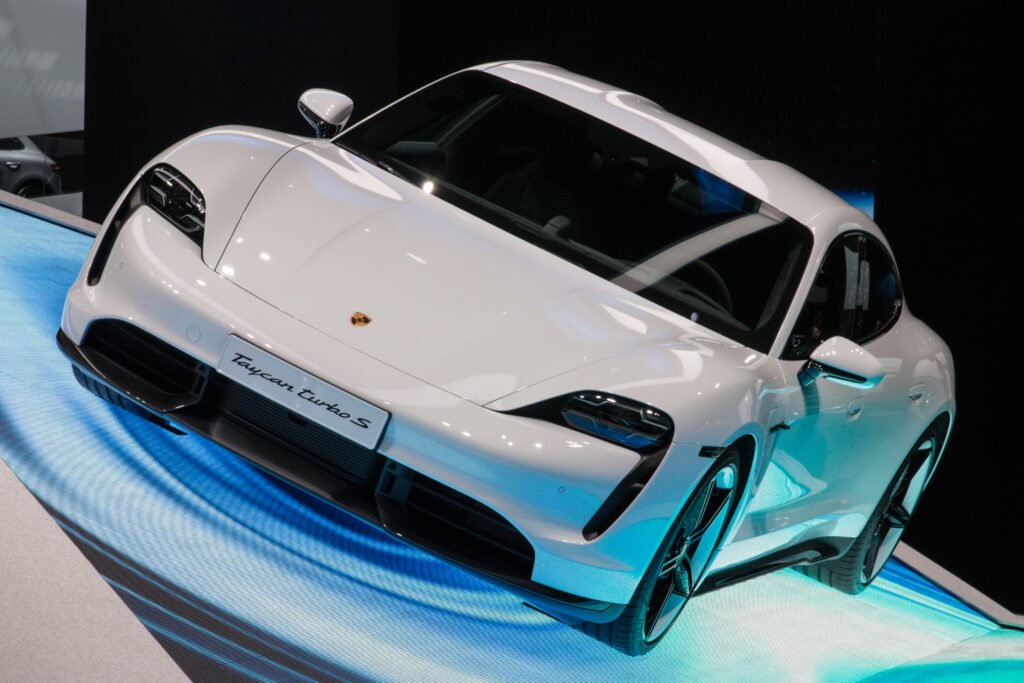
Porsche just made a decision that should have happened three years ago: it killed the 83.7-kWh base battery in the 2027 Taycan and made the larger 97.0-kWh pack standard across the entire lineup. That’s right—no more shopping around for the anemic entry-level option. Every Taycan now rolls off the lot with what used to cost an extra $5,780.
It’s a smart move, even if it comes with a sticker shock caveat: the 2027 base price jumps to $114,250, up from $108,050 for the 2026 model. Yeah, that’s a six-grand climb, but most of it is literally the battery you’re getting whether you like it or not. In practical terms, Porsche finally stopped nickel-and-diming buyers out of adequate range, which is something every EV maker should do but rarely does.
The Battery Math Actually Makes Sense
Here’s the thing: the old base battery was always a compromise looking for a reason to exist. Real-world EV testing consistently shows that the difference between “adequate” and “actually useful” capacity often comes down to just 10-15 kilowatt-hours. By bumping everyone to the Performance Battery Plus, Porsche is reducing the chance that someone buys a Taycan and immediately regrets it on a weekend trip.
The Taycan’s position in Porsche’s lineup as a luxury sedan—not a budget EV—means most buyers can absorb the price increase anyway. Porsche’s audience isn’t exactly price-sensitive. The move simplifies the lineup and eliminates decision paralysis, which is underrated in luxury automotive sales.
The Fake Shifting Gimmick (And Why It’s More Interesting Than You Think)
Now, let’s talk about the elephant in the room: simulated eight-speed shifting. Yes, you read that correctly. An electric car with no transmission is getting fake gear changes controlled by paddle shifters. It’s the kind of feature that makes you roll your eyes until you actually think about what Porsche is doing here.
The E-Shift mode uses virtual rev limiters and gear-specific drag torque to mimic the sensation of a gearbox. Is it necessary? Absolutely not. Is it kind of brilliant in a “we’re keeping sports car DNA alive in the EV era” sort of way? Maybe. Porsche understands that Taycan buyers—especially those coming from gas 911s and Panameras—want to feel like they’re driving something with soul, not just punching a button.
The feature pairs with Porsche’s updated Electric Sport Sound system, which now adapts in real-time to your throttle and brake inputs. Again, pointless on paper. In practice, if you’re dropping six figures on an electric sedan, you probably want it to feel like something other than a golf cart with WiFi. Porsche gets that psychology in a way Tesla, for all its efficiency, simply does not.
Infotainment Gets the Overdue Refresh
Beyond batteries and fake gears, the 2027 Taycan finally gets Porsche’s new Digital Interaction system, which means over-the-air updates, better Apple CarPlay and Android Auto integration, and—get this—a faster wireless charger with MagSafe support that’s 1.5 times quicker than before. It’s not flashy, but it’s the kind of stuff that makes EV ownership less annoying in the real world.
The infotainment overhaul matters more than most people realize. Owner satisfaction data consistently shows that people care less about horsepower and more about not being frustrated by their infotainment system every single day. Porsche knows this, which is why they’re treating it like a real priority instead of an afterthought.
The Price Reality Check
Let’s be honest about the elephant in the room: a $114,250 entry point is not accessible to most people, and the price increase is real even if justified. For context, that puts the base Taycan squarely above similar Tesla offerings and well into “this is a luxury item” territory.
But here’s the thing—Porsche has never positioned the Taycan as a mass-market EV. It’s a performance sedan for people who already own or can afford to own a sports car. The 2027 changes make it a better car for that audience without fundamentally changing its identity. Orders are open now, with deliveries slated to start in fall.
Why This Matters Beyond the Spec Sheet
The 2027 Taycan refresh is telling us something bigger about where premium EV makers are headed. Tesla got comfortable selling minimalist cars at scale. Porsche is going the opposite direction—loading features, sound design, and tactile feedback into their EVs because that’s what their customers expect. Neither approach is wrong; they’re just different philosophies.
Porsche’s move to kill the weak base battery also signals confidence in the EV platform itself. They’re not playing the “give people a reason to upgrade” game anymore. Instead, they’re saying: “This is the Taycan. It comes with this battery. Deal with it.” That’s actually refreshing in an industry obsessed with configurators and endless trim levels.
The real win here is that Porsche finally stopped pretending the base model was anything but a compromise. Now it’s just a Taycan—with good battery range, simulated shifts you can choose to use or ignore, and an infotainment system that won’t make you want to throw your phone at the dashboard. For $114,250, that’s a reasonable ask in the luxury EV space.
- 2027 Taycan kills the weak 83.7-kWh base battery; everything now comes with the 97.0-kWh Performance Battery Plus standard.
- Base price jumps $6,200 to $114,250—most of the hike is the mandatory larger battery you actually wanted anyway.
- New E-Shift mode simulates eight-speed shifting via paddle shifters; pairs with updated Electric Sport Sound that reacts to throttle and brakes in real-time.
- Digital Interaction system adds OTA updates, better CarPlay/Android Auto, and 1.5x faster wireless charging with MagSafe support.
- Orders open now; deliveries start fall 2027.
Sources: Car and Driver