Stellantis Is About to Pick Maserati’s Future Partner—and It’s Not What You’d Expect
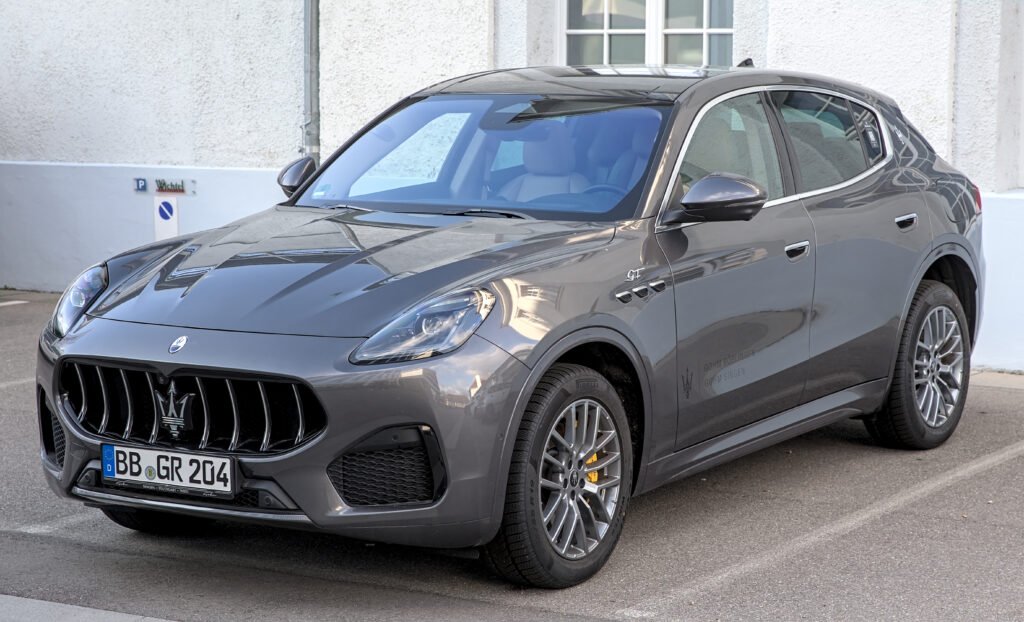
Stellantis just confirmed what the rumor mill has been churning about for months: the company is in active talks with two unnamed partners about the future of Maserati, and a decision is imminent. CEO Antonio Filosa dropped this bombshell to the Italian parliament, making it clear that luxury’s favorite Italian brand isn’t about to fade into obscurity—it’s about to get a very interesting business partner.
Here’s the catch: Stellantis isn’t saying who these two candidates are. But if you’ve been paying attention to the automotive press, Chinese firms Huawei and JAC Motors have been circling, and multiple reports suggest at least one of them is sitting across the negotiation table right now. The partnership angle makes sense from a product perspective—Maserati needs electric vehicle technology and development firepower, and a Chinese partner could provide both while opening up the world’s largest EV market to the struggling Italian marque.
What Maserati Actually Needs Right Now
Let’s be real: Maserati has been treading water. Sales have tanked, the product lineup aged faster than a supermodel who peaked in 2015, and Reuters reports the brand desperately needs a reality check. Stellantis knows this, which is why Filosa made a point of calling Maserati “a pure luxury brand with a special customer and a unique legacy” during the company’s Investor Day presentation in May. Translation: we’re not killing it, but we’re not giving up either.
The brand already has a lineup in the works—two mystery e-segment vehicles are coming, along with facelifted versions of the GranTurismo, GranCabrio, and Grecale by 2030. One of the new models appears to be a Levante successor (a large crossover), while the other looks like either a sleek sports car, grand tourer, or four-door coupe. Pretty solid on paper, but here’s the problem: Maserati can’t build world-class EV platforms and batteries on its own budget anymore.
The China Play (or Not)
This is where the partnership conversation gets interesting. Huawei has already proven it can co-develop EV platforms with established automakers—just ask Aito and Changan. JAC Motors, meanwhile, is one of China’s oldest independent carmakers and has serious battery and EV credentials. Either one could theoretically bring Maserati the technology muscle it desperately needs.
According to earlier reports, the discussions have included a plan to sell vehicles under the Maextro brand in China while using the Maserati name globally—a structure that would let a Chinese partner own the domestic Chinese operation while Stellantis maintains control of the luxury brand’s international identity. That’s a smart move: it sidesteps regulatory headaches in China while giving a partner the local manufacturing foothold they want.
But here’s where it gets murky. Filosa told the Italian parliament that Maserati isn’t for sale and that any partnership will “boost production at the Cassino and Modena plants.” That language matters—it suggests Stellantis is building a technology partnership, not handing over the keys. The unnamed partners “can bring us technology, development, and excellent ideas,” Filosa said, which sounds like joint development rather than acquisition.
The December Reveal
A full decision is coming in December, which gives Stellantis several months to finalize negotiations behind closed doors. That timing is strategic—it’ll be far enough away from the investor presentations that sparked this whole conversation that Stellantis can control the narrative completely when they finally announce the winner.
What’s particularly interesting is that Stellantis isn’t even pretending this is just Maserati’s internal business anymore. The fact that Filosa brought it up in parliament suggests the deal has geopolitical and manufacturing implications big enough to warrant official transparency. Italian politicians care about jobs at Cassino and Modena, so Stellantis is making sure those voters know the company is thinking about local production.
What This Actually Means
Here‘s the editorial take: this partnership is the only way Maserati survives as a true luxury brand in the EV era. Going it alone would have required Stellantis to dump enormous capital into a brand that’s currently losing market share, and that’s not happening in an era where EV development costs keep rising and traditional luxury margins keep shrinking. A Chinese technology partner fixes both problems at once—Maserati gets the platform and battery tech it needs without Stellantis having to foot the entire bill.
The risk, of course, is brand dilution. If Huawei or JAC gets too much control over the development process, Maserati stops being Maserati and becomes a Chinese-designed car wearing an Italian badge. Filosa’s insistence that the brand “deserves a dedicated conversation” and isn’t for sale suggests he’s aware of this danger. But let’s not pretend—at this point, Maserati needs a partner more than it needs to protect its design DNA.
December will tell us everything. If Stellantis announces a major Chinese technology alliance, you’ll know luxury automotive is officially going multipolar. And frankly, that’s already happened—we’re just waiting for the press release to catch up.
- Stellantis CEO confirmed talks with two unnamed partners for Maserati; a decision comes in December.
- Chinese firms Huawei and JAC Motors are the reported candidates, bringing EV tech and battery expertise.
- Maserati isn’t being sold—any partnership will involve joint development while maintaining Italian production at Cassino and Modena plants.
- Two new e-segment vehicles and refreshed models arrive by 2030 as part of the brand’s turnaround.