Dodge Is Exporting Its Charger Flops to Europe. Good Luck With That.
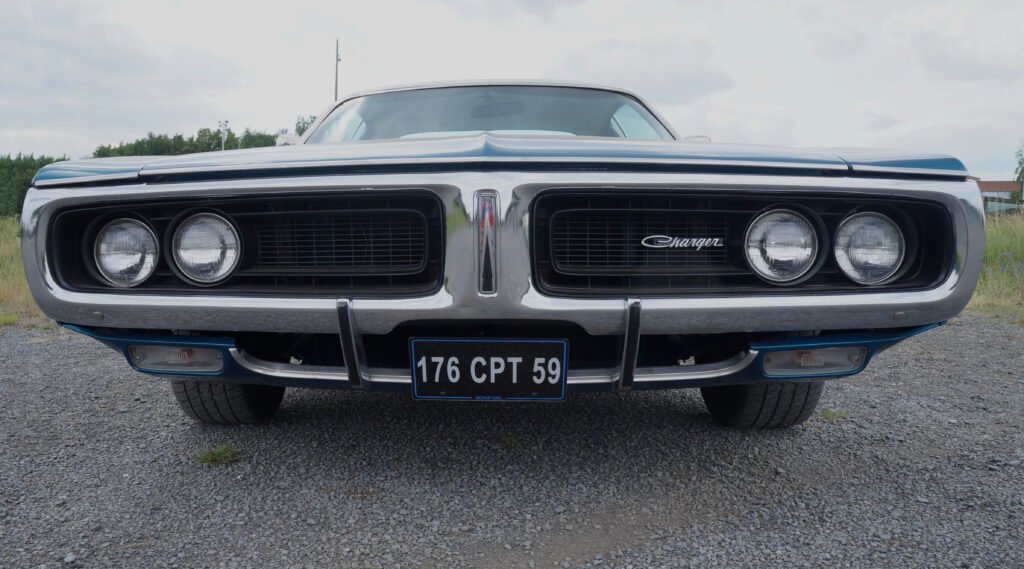
Dodge just pulled off the automotive equivalent of asking mom after dad said no. With the revived Charger Sixpack and Charger Daytona EV hemorrhaging sales in the U.S., the automaker announced in early June that it’s shipping the entire lineup to Europe. Because apparently, there’s always a market somewhere willing to take your mistakes off your hands.
The American Rejection
Let’s talk numbers, because they’re damning. The Charger Daytona EV moved just 7,421 units in 2025—and then fell off a cliff, selling only 346 examples in Q4. By the first quarter of 2026, Dodge had managed to shift just 240 electric Chargers. That’s not a slump. That’s a crater.
The gas-powered Charger Sixpack, which only recently hit showrooms with its twin-turbocharged inline-six, isn’t faring much better. The automaker sold 1,672 of them in Q1 2026. For context, the previous-generation Charger was shifting tens of thousands per quarter at its peak. The math here is merciless: Dodge has a product problem, not a marketing problem.
The European Gamble
Here’s where it gets interesting. Dodge announced that KW Automotive, a German importer, will handle distribution across Europe. That means both two- and four-door variants, all engine configurations, and both standard and high-output versions will supposedly make the journey across the Atlantic. Iron Parts will handle the supply chain on spare components.
But there’s a complication baked into this plan: European regulations are a different beast entirely. The Euro 7 emissions standards are stricter than anything the EPA throws at American manufacturers. Dodge will need to engineer modifications to meet these rules—emissions calibrations, noise standards, potentially structural changes. That adds complexity, cost, and delay to a product line that’s already struggling to move units at home.
Why This Probably Won’t Work Either
Here’s the uncomfortable truth: Dodge isn’t exporting these cars because Europeans are clamoring for American muscle. It’s doing this because the U.S. market has spoken, and the verdict is brutal. European buyers, especially in premium segments where the Charger would compete, tend to favor established German performance (think BMW M series) or Japanese reliability over nostalgia-driven American branding.
The electric Charger Daytona faces an additional hurdle: EPA range ratings don’t translate directly to European WLTP cycles, which tend to be harsher. That 260-mile EPA range could shrink to something less impressive under European testing. Meanwhile, EV buyers in Europe have no shortage of established options from Tesla, Volkswagen, BMW, and a dozen other brands with deeper EV lineups and stronger dealer networks.
The Real Story Here
What makes this move interesting isn’t the destination—it’s the admission baked into it. Dodge is essentially saying the Charger revival didn’t work. The company spent considerable resources bringing back an iconic nameplate with two completely different powertrains. The Daytona EV was supposed to signal the brand’s EV future. The Sixpack was meant to satisfy purists who wanted one last hurrah for gasoline performance.
Neither strategy resonated. So rather than double down, adjust pricing, or rethink the product, Dodge is doing what troubled manufacturers have done for decades: find a foreign market and hope. It’s not inherently a bad strategy—international expansion does work for some vehicles. But it only works when you have a genuinely compelling product that simply needs geographic distribution. The Charger doesn’t have that advantage here.
Stellantis, Dodge’s parent company, clearly believes there’s a viable European path for these vehicles. We’ll see if they’re right. But based on the sales data coming out of America, this feels less like strategic expansion and more like damage control masquerading as ambition. Sometimes asking the other parent works out. Sometimes you just get told no twice.
- Dodge is exporting the Charger Daytona EV and Charger Sixpack gas model to Europe via German importer KW Automotive.
- U.S. sales are brutal: Charger Daytona moved 240 units in Q1 2026; Charger Sixpack managed just 1,672 in the same period.
- European regulations and established EV competition make this a long-shot gamble, not a slam-dunk expansion.
Sources: Car and Driver