
The EV Battery Myth That Won’t Die—And Why the Math Proves It Wrong
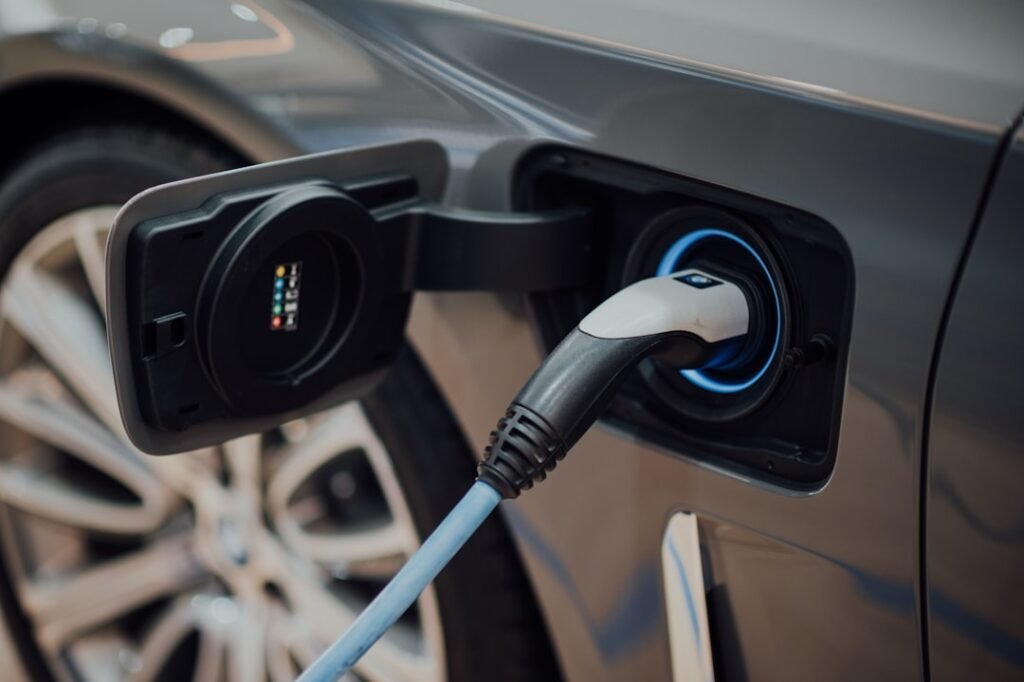
Photo by CHUTTERSNAP on Unsplash
The anti-EV crowd has a favorite talking point, and it goes something like this: Sure, electric cars might be clean once they’re running, but mining lithium and manufacturing those massive batteries is so environmentally catastrophic that gas cars win on the cradle-to-grave emissions scoreboard anyway. It’s a plausible-sounding argument. It sounds smart. It sounds like you’re thinking critically.
It’s also complete nonsense—and the data has been crystal clear for years.
The Break-Even Math Is Brutally Simple
Here’s the uncomfortable truth for gasoline defenders: BloombergNEF’s 2024 analysis shows that for a typical U.S. driver, an electric vehicle erases its manufacturing carbon debt in roughly 25,000 miles of driving—or about two years. That’s it. Drive an EV in a region that leans coal-heavy for electricity generation, and you’ll still reach break-even faster than most people realize.
Let that sink in. Even accounting for the genuinely grimy process of extracting raw materials and building batteries, the sheer pollution intensity of burning gasoline is so severe that it catches up to—and then laps—the entire manufacturing footprint of an EV in just over two years. The math isn’t even close.
And BloombergNEF isn’t working alone here. A life-cycle assessment study from the University of Michigan published in 2022 reached nearly identical conclusions, with some researchers finding the break-even point slightly faster than two years. These aren’t outliers. This is the consensus when you actually crunch the numbers.
The Battery Longevity Question Isn’t What You Think
The other half of the anti-EV battery argument goes like this: “What if the battery dies after three years? Then you have to replace it and manufacture another one, killing any environmental benefit.” Fair question—except the premise is ancient history.
Yes, first-generation Nissan Leaf batteries were notoriously fragile, degrading faster than anyone expected. That was 2010. We’re now in 2025, and modern EV battery chemistries have matured dramatically. Recent research indicates that today’s EV batteries reliably function for 15 years or more without significant replacement costs. A few exceptions will exist—there always do—but the idea that you’re buying a disposable battery pack is a relic of the Leaf’s early years.
Moreover, sodium-ion battery technology is already starting to arrive in production vehicles, promising to reduce the environmental impact of battery manufacturing itself. You don’t have to wait for magic future tech to make EVs clean. They already are.
The Grid Matters, But Not How You’d Think
Here’s where the anti-EV argument usually pivots: “Yeah, but what about people in coal states? Their EVs are powered by dirty coal energy.” Again, the data doesn’t support the panic.
Yes, an EV charged on a coal-heavy grid takes longer to break even than one charged on a renewable-dominated grid. But “longer” still means roughly the same two-year window, even in the dirtiest electricity markets. That’s because burning gasoline is obscenely inefficient and polluting compared to almost any form of grid electricity generation—even coal. The break-even advantage of an EV is so substantial that geography barely matters.
As time goes on, grids get cleaner. An EV you buy today only becomes greener as power generation decarbonizes. A gas car bought today stays equally dirty for the next 15 years.
Why This Myth Persists
At this point, you might wonder: Why does the “dirty battery manufacturing” argument still show up constantly in car forums, YouTube comments, and the occasional clueless op-ed? Part of it is genuine ignorance—the research hasn’t been universally publicized, and bad-faith actors have invested significant effort in muddying the waters. Part of it is that the argument sounds sophisticated and nuanced, which makes people feel smart when they repeat it.
But mostly, it persists because the fossil fuel industry has spent decades (and continues to spend millions) maintaining doubt about any technology that threatens petroleum dominance. The playbook is familiar: emphasize real-but-minor manufacturing concerns, hide the comparative data, and imply that nothing is settled. It worked for climate change denial for 30 years. Why not try it on EVs?
The difference is that EV technology isn’t being debated by climate scientists anymore. It’s being debated by people trying to protect the status quo. And their best ammunition—the battery manufacturing myth—was already spent years ago.
The Bottom Line for Your Wallet and the Planet
Is an EV the right choice for everyone right now? Maybe not. Cost, charging infrastructure, driving patterns, and personal preference all matter. But if your hesitation centers on environmental concerns about battery manufacturing, you’re operating on outdated information.
The cradle-to-grave emissions calculation isn’t some hotly contested debate anymore. It’s settled. EVs are cleaner than gas cars, and they’re cleaner faster than most people—even EV-friendly people—realize. A used EV is an even better environmental choice because you’re avoiding the manufacturing impact entirely. And as battery chemistries improve and grids get cleaner, that advantage only grows.
The anti-EV crowd will keep recycling this myth because it’s their best remaining argument. Don’t fall for it.
- EVs break even on manufacturing emissions in ~25,000 miles (about 2 years) for average U.S. drivers, according to BloombergNEF and University of Michigan research.
- Modern EV batteries last 15+ years; the fragile first-gen Nissan Leaf batteries were over a decade ago.
- Even on coal-heavy grids, EVs still reach environmental break-even faster than gas cars remain dirty because gasoline combustion is extremely polluting.
Sources: Jalopnik