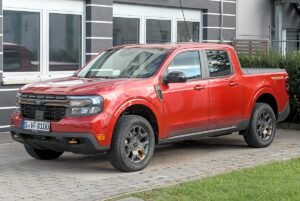
The Ford Maverick Is Actually the Perfect First Car—Here’s Why
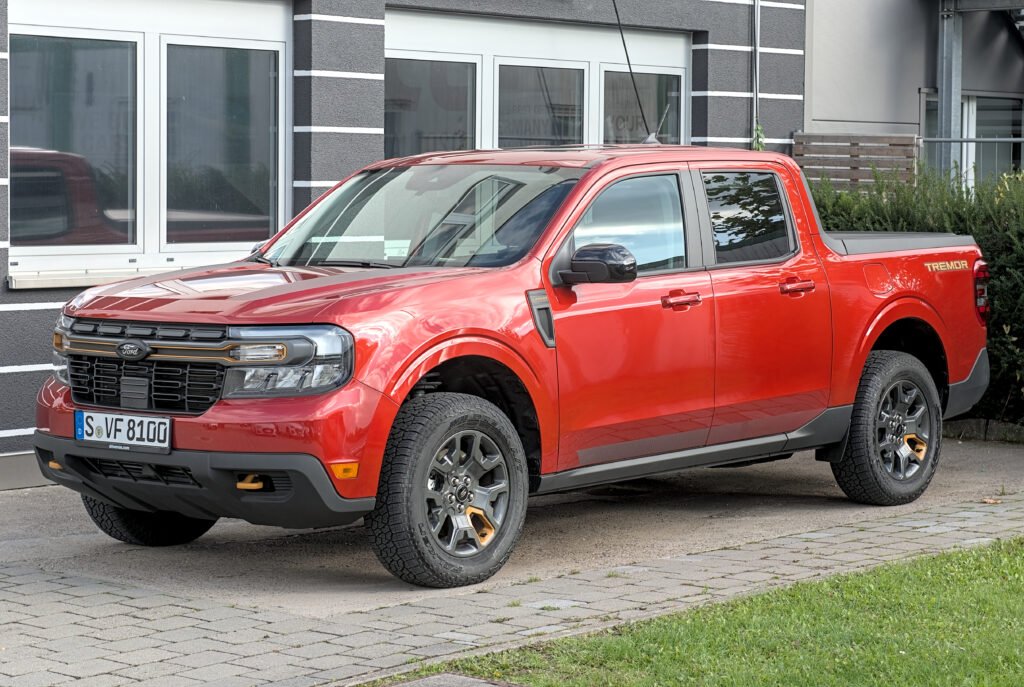
Here‘s a hot take that’s actually defensible: The perfect first car isn’t a sensible sedan, a hand-me-down crossover, or whatever safe-but-boring suggestion your insurance agent throws at you. It’s the Ford Maverick.
This isn’t nostalgia talking. This isn’t some boomer romanticizing trucks. It’s cold logic wrapped in sheet metal. The Maverick does something almost no other affordable vehicle manages: it’s simultaneously practical, efficient, genuinely fun, and cheap enough that you won’t need to finance your kid’s college fund to buy one. For a first car, that’s the holy trinity.
Safety, Affordability, and Efficiency—All in One
Let’s start with the stuff that actually matters to parents: safety and price. The Maverick has been validated by the Insurance Institute for Highway Safety, which is the gold standard that insurance companies actually care about. Its architecture—shared with the Bronco Sport—proved itself in a real-world collision when a teenager was T-boned at 45 mph and walked away fine. That’s not marketing speak. That’s peace of mind.
Price-wise, the entry point sits comfortably under $30,000 for the base hybrid model, which means an actual teenager might drive something that doesn’t feel like punishment. But if you’re shopping the secondhand market—and you should be—used Mavericks are already dropping into the $15,000 range. That’s entry-level Honda Civic money, except your kid gets a truck bed, better visibility, and the ability to actually haul stuff. And yes, every non-Tremor variant gets a minimum of 30 mpg on the highway, so fuel costs won’t drain your wallet either.
It Does Everything Without Being Boring
This is where the Maverick escapes the “responsible choice” trap that makes first cars insufferable. You can spec the base EcoBoost and make 4,000 pounds of towing happen. You can go hybrid and hit that sweet spot of performance and fuel economy. You can get the Lobo variant with paddle shifters and torque-vectoring all-wheel-drive, which transforms the truck from appliance to something an adult actually wants to steal the keys to.
And let’s be honest: if you’re the one making the payment, you may as well get something you’d enjoy borrowing. A truck bed isn’t just practical—it’s genuinely useful for the kind of life stuff that comes up, whether that’s hauling bikes to the trailhead, moving a buddy’s couch, or making a dump run. Add a tonneau cover and you’ve got a vehicle that’s equal parts adventure rig and sensible family hauler. Teenagers might not see it that way at first, but neither did your friends when their parents handed them a ’92 Geo Metro, and they still had fun.
The Flexibility You Can’t Put a Price On
The Maverick lineup is genuinely broad. Want a stripped-down hybrid for under $30K? It’s there. Want a Lariat with heated seats and a Bang & Olufsen sound system that actually sounds good? You’re still in reasonable territory. The Tremor comes with light-duty off-road chops. The Lobo brings street-performance vibes. None of the powertrains feel compromised—the turbo models make solid forced-induction noises and deliver real utility, while the hybrid hits efficiency numbers that would’ve been impossible on a truck five years ago.
This flexibility matters because first cars need to grow with their drivers. A teenager who’s just gotten their license isn’t the same person they’ll be in three years. The Maverick adapts. It’s the utility player of your automotive stable—ready to assist with a landscaping-store run one week and an impromptu camping trip the next. It won’t make your kid feel like they’re driving punishment.
The Interior Won’t Drive You Crazy
Parents, listen: your teenager will spill something in the cupholders. Maybe it’s Mountain Dew. Maybe it’s a açai bowl they shouldn’t have brought into the truck in the first place. The Maverick’s interior is designed for this reality. It looks nice enough, sure, but it’s built from materials that don’t panic when sticky substances inevitably appear. Hose it out and move on. That’s not possible in most first cars, and it’s a feature that’s way underrated in vehicle selection conversations.
The Practical Math
Let’s do the actual math here. A new Maverick sits between roughly $20,000 and $30,000 depending on what you spec. Used ones are cheaper every month. The hybrid hits 40+ mpg in real-world mixed driving. Insurance is reasonable because the truck doesn’t scream “speed demon.” Maintenance is Ford, which means dealers everywhere and parts that aren’t exotic. Resale holds because, well, everyone suddenly realizes these things are useful.
Compare that to whatever compact sedan got pushed on you as a “sensible choice,” and the math gets weird in Ford’s favor. You get more utility, better safety ratings, lower operating costs, and—this matters—a vehicle the adult co-owners actually want to drive too. That last part isn’t small. When your kid leaves the truck in the driveway, you won’t resent it.
The Bottom Line
There’s no universal perfect first car because everyone’s situation is different. But if you’re looking for a cheat sheet—a decision tree shortcut to “what should my newly licensed kid actually drive?”—the Maverick answers almost every question the right way. It’s safe without being fragile. It’s affordable without being cheap. It’s efficient without being slow. It’s practical without being boring. And in five years when used prices are even more reasonable, the math just gets better.
The hardest part isn’t buying a Maverick for your teenager. It’s getting the keys back when you realize you want to drive it yourself.
- The Ford Maverick hits all the marks for a first car: IIHS safety validation, starting price under $30,000 new, and 30+ mpg highway on all non-Tremor variants.
- Used models are dropping into the $15,000 range, making it genuinely affordable while offering truck utility and a bed that adults actually want to borrow.
- The powertrain lineup is flexible—hybrid for efficiency, EcoBoost turbo for towing (up to 4,000 lbs), and special editions like the Lobo with paddle shifters mean it doesn’t feel like punishment to drive.
Sources: Car and Driver