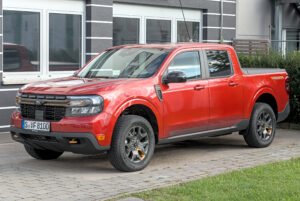
Your Car Is a Fire Starter. Here’s How to Stop It.

Your car is basically a mobile arson kit. That’s not hyperbole—it’s what the U.S. Forest Service is quietly telling us while the rest of America argues about everything else. Vehicles are genuinely among the leading causes of wildfires in the United States, and the mechanics behind it are deceptively simple: sparks, heat, and dry grass are a combination as old as fire itself.
The numbers are getting harder to ignore. By the end of May 2026, nearly 30,000 fires had already torched America—and one Nebraska blaze consumed 600,000 acres, shattering the state’s previous record. That’s not a trend; that’s a crisis. And climate change is making it worse. Wildfires pump carbon dioxide back into the atmosphere at staggering rates. The massive Canadian wildfires of 2023 alone released more carbon in five months than Russia and Japan combined emitted over an entire year, according to NASA. We’re stuck in a vicious feedback loop: hotter, drier conditions breed more fires, and more fires accelerate climate change.
The brutal irony? You can actually prevent your car from becoming a firebomb with basic maintenance and common sense.
How Your Car Actually Starts Fires
Metal on metal creates sparks. Sparks meet dry kindling. Kindling becomes an inferno. That’s the whole equation, and your vehicle is built to generate sparks constantly.
A dragging tow chain throwing off metal fragments? Fire hazard. A flat tire forcing you to drive on exposed wheel rims? Those rims spark against pavement and grass. Worn brake pads grinding down to bare metal? That’s metal-on-metal friction generating heat intense enough to ignite kindling. A catalytic converter regularly hits 1,000 degrees Fahrenheit during normal operation—hot enough to light dry vegetation directly beneath your car if you’re parked or idling in tall grass or dried brush.
The Forest Service is explicit about this. The Chattahoochee-Oconee National Forest team in Georgia has made the connection crystal clear: cars cause fires, fires harm human health (especially for people with respiratory or cardiovascular conditions), and the problem is spreading. It’s not theoretical. It’s happening right now.
The Maintenance Playbook That Actually Works
Here’s the good news: most car-caused wildfires are entirely preventable. It takes discipline, but not complexity.
Tire pressure: Check it regularly. A properly inflated tire doesn’t fail on dry terrain. A under-inflated or damaged tire blows out, exposes the rim, and turns your car into a spark generator. Keep tow chains secured at their proper length so they’re never dragging on pavement or grass. A chain bouncing along the ground is essentially a flint striker moving at highway speeds.
Brakes: This is critical. Bad brake pads don’t just reduce stopping power—they generate sparks from metal-on-metal contact. Not all aftermarket brake pads meet original equipment manufacturer (OEM) specifications, and cheap pads are a false economy. Replace them on schedule. Your brakes are literally the difference between safe operation and starting a wildfire.
Parking location: Avoid areas with tall grass, dry leaves, brush, or accumulated debris beneath your vehicle. That catalytic converter is baking underneath you at temperatures that would melt plastic. Don’t park in fire hazard zones, and definitely don’t idle in dry brush. It’s that simple.
Specialized Equipment for High-Risk Vehicles
Off-road enthusiasts already know about spark arrestors—devices mounted on exhaust outlets that trap and destroy hot sparks before they escape into the environment. These are standard on ATVs, motocross bikes, and dune buggies in many states and parks. The concept is proven. The technology works.
If you’re regularly driving in fire-prone areas—whether that’s trails, backcountry access, or even just rural highways surrounded by dry vegetation—a spark arrestor is worth the investment. Requirements vary by state and jurisdiction, but the principle is universal: contain the heat and sparks before they reach the kindling.
Why This Matters Beyond Your Car
Vehicle-caused wildfires aren’t just about property damage or even the immediate health crisis of smoke inhalation. They’re a climate change accelerant. A single catastrophic fire can release decades worth of carbon sequestered in vegetation and soil. That carbon goes straight into the atmosphere, warming the planet further, making conditions even drier, and increasing the odds of the next fire.
You can’t solve climate change by maintaining your car properly. But you absolutely can prevent your specific car from contributing to the problem. That’s agency. That’s control in a situation where most of us feel powerless.
The old Smokey the Bear slogan still holds: “Only you can prevent wildfires.” Except now it’s not just about campfires and unattended cigarettes. It’s about your daily driver. It’s about noticing when your brakes feel softer than usual, checking your tire pressure in summer, and not parking in tall dry grass because you’re in a hurry. It’s about treating your car like the potential fire starter it actually is.
That’s not fear-mongering. That’s just mechanics and physics. And honestly, it’s easier to maintain your car properly than it is to explain to your insurance company why you accidentally torched 600,000 acres.
- Cars are a leading cause of wildfires in the U.S., with 30,000+ fires reported by May 2026 and one Nebraska blaze burning 600,000 acres.
- Prevent vehicle-caused fires by maintaining tire pressure, replacing worn brakes on schedule, securing tow chains, and avoiding parking in dry brush or tall grass.
- A catalytic converter reaches 1,000°F during normal operation—spark arrestors and basic maintenance are proven ways to stop your car from becoming a firebomb.
Sources: Jalopnik