
Nissan Is Rationing Motor Oil. Your Next Oil Change Might Not Be.
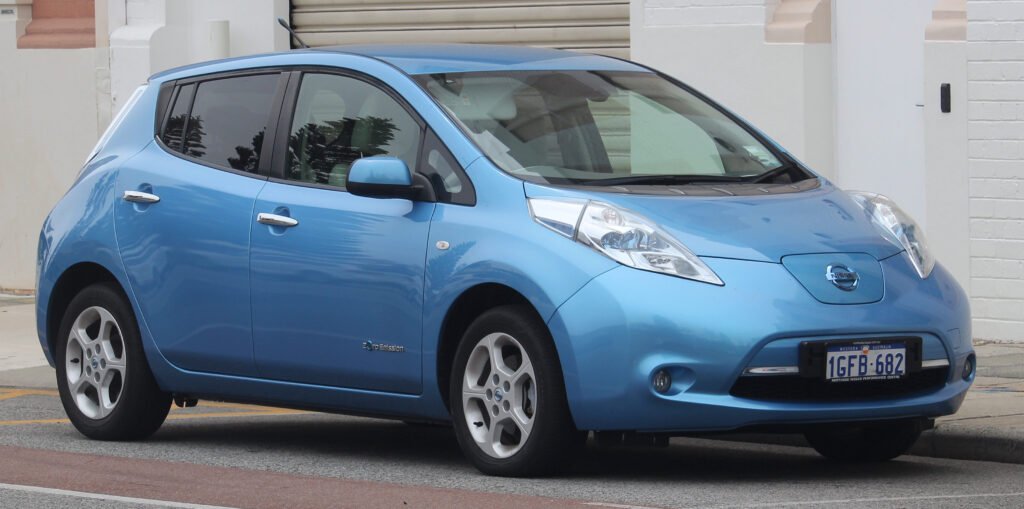
Nissan just told its dealers to pick favorites. Starting this week, dealerships are receiving only 70% of their usual supply of 5W-30 synthetic oil and 55% of their normal 0W-20—both formulated specifically for Nissan vehicles. The kicker? A service bulletin spells out exactly who deserves the good stuff: warranty work, recalls, extended coverage, and prepaid maintenance plans. Everyone else? You might get something else.
This isn’t some isolated supplier hiccup. It’s a symptom of a much uglier problem rippling through the entire automotive industry—and your wallet should care.
The Real Culprit: America’s Oil Addiction Meets Geopolitics
While headlines screamed about gas prices after the U.S. military action against Iran, the motor oil crisis has been quietly suffocating the market. Here’s the part nobody wanted to talk about: America imports nearly half of the so-called Group III base oils used to manufacture synthetic lubricants. Those typically flow from the Persian Gulf. Cut off that supply, and the entire synthetic oil ecosystem breaks.
The Independent Lubricant Manufacturers Association is sounding the alarm loud and clear: America is projected to run completely out of Group III base oils from the Gulf region by June. Even worse, they’re warning that this shortage could persist until mid-2027. That’s not a quarterly problem. That’s structural pain.
Toyota is facing the same nightmare. The automaker has warned dealers about potential shortages of 0W-8 and 0W-16 oils supplied by ExxonMobil, and they’ve explicitly encouraged dealers to start making substitutions—a euphemism for “use whatever you can find.” That should terrify anyone who owns a late-model Japanese vehicle.
The Rationing Game: Who Gets Cut Off First
This is where it gets Machiavellian. Nissan’s service bulletin prioritizes oil allocation like a wartime supply chain: warranty repairs and extended coverage plans get first dibs, followed by recall work and goodwill repairs. If you roll into a dealership for a routine oil change? You’re at the bottom of the list.
It’s a calculated move that protects dealers from warranty disputes while shifting the shortage pain onto regular customers. Because here’s the reality: if you need an oil change and they can’t source the Nissan-approved formula, you either wait, go elsewhere, or accept an alternative—none of which are ideal when you’re trying to keep a warranty intact.
The oil industry is already losing its mind over this. Petra Automotive Products CEO Arnold Gacita didn’t mince words: “We’re all grabbing it and we’re all paying stupid prices … to have it.” Those panic-buy costs don’t stay at the wholesale level. They roll downhill, straight to consumers paying more for maintenance they can’t even avoid.
Why This Threatens More Than Your Oil Change
The supply chain implications extend beyond service departments. Motor oil shortages don’t just affect maintenance—they threaten new vehicle production itself. Automakers need adequate lubricant supplies to fill crankcases before vehicles leave the factory. Severe shortages could mean assembly line slowdowns or worse, delayed deliveries.
For newer vehicles, particularly Toyota hybrids and Nissan’s lineup, this is especially critical because their engines are engineered to run on specific synthetic formulations. Use the wrong oil weight or brand and you risk voiding warranties, damaging seals, and potentially triggering premature wear. That’s not alarmism—it’s engineering reality.
What makes this different from past supply crunches is the timeline and scope. The EPA and automotive supply chain analysts are monitoring this closely because it doesn’t fit the usual cyclical pattern. This is structural—an import dependency collision with geopolitical chaos. Mid-2027 is a long time to operate under shortage conditions.
What You Actually Need to Know Right Now
If you own a Nissan or Toyota, especially a newer model, here’s the practical advice: check your owner’s manual for the exact oil specification your vehicle requires. Don’t assume your dealer will always have it. Build a relationship with an independent shop that stocks quality synthetic oils—not because they’re cheaper, but because they’ll be more flexible when OEM supplies tighten.
For anyone considering a new Nissan or Toyota purchase, factor in future maintenance costs. Oil change prices are about to spike. If you’re financing over six years, those incremental maintenance expenses could add up fast. It’s not a deal-breaker, but it’s a real cost now.
The broader lesson here is that automotive supply chains are fragile in ways we’ve been ignoring for years. One geopolitical shock, one trade disruption, and suddenly dealers are rationing lubricants like it’s 1973. The industry loves to talk about just-in-time logistics and efficiency, but efficiency and resilience are opposites. We’re living through what happens when efficiency wins.
- Nissan is cutting dealer oil shipments to 70% (5W-30) and 55% (0W-20) of normal levels, prioritizing warranty and recall work over regular customers.
- America imports nearly half its Group III base oils from the Persian Gulf; the supply could run out by June 2027 under current shortage conditions.
- Toyota faces similar shortages of 0W-8 and 0W-16 oils and is already encouraging dealers to make substitutions—raising costs and warranty risks for owners.
Sources: Carscoops