BMW’s New iX3 Already Has a Problem: Electric Shocks During Charging
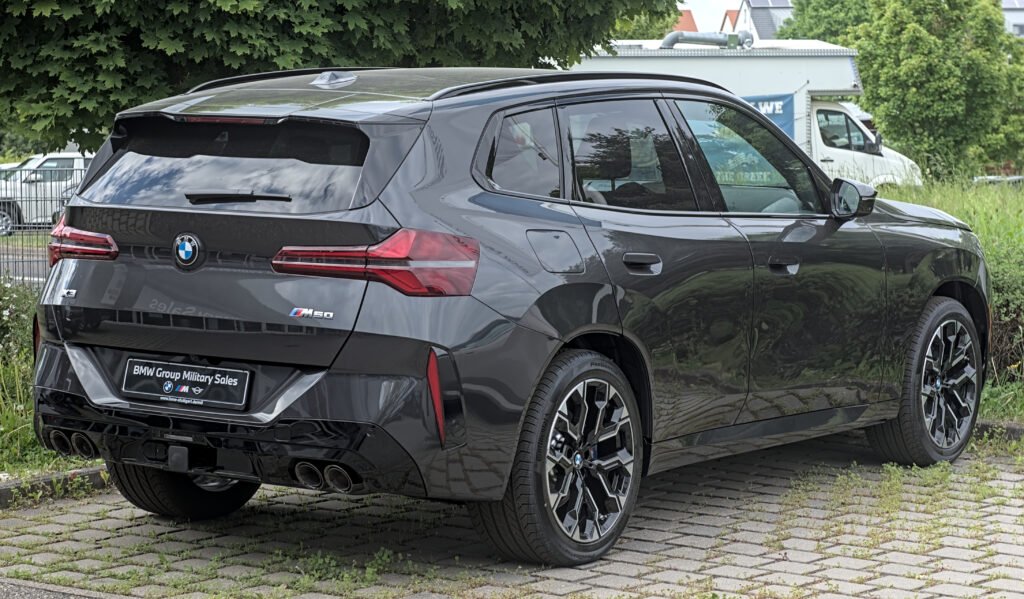
The BMW iX3’s second generation was supposed to be the redemption arc—a serious step up from the first-gen’s tepid performance, finally delivering the kind of range and polish that could compete with actual Chinese EVs on home turf. Instead, BMW just issued two recalls in quick succession, and the first one is genuinely alarming: owners could get electrocuted while charging their car.
This is not the kind of launch momentum BMW was hoping for. Only months after hitting the market, the company has already admitted that 145 iX3s built between late November 2025 and mid-February 2026 carry a faulty onboard charger—the component responsible for converting AC household power into the DC current the battery actually needs. The defect? The car’s body panels can buzz with electrical charge while plugged in, creating the delightful prospect of a nasty shock if you brush against the wrong spot at the wrong time.
When “Safe Than Sorry” Is Not Just Philosophy
To BMW’s credit, the company isn’t downplaying this. It explicitly acknowledges that owners “could get a nasty shock” and has issued a mandatory recall rather than a softer service campaign. The fix is mercifully simple: affected vehicles get a complete onboard charger replacement, no questions asked. BMW says it hasn’t received any injury reports yet, but with high-voltage EV systems, the calculus is different than it would be for a traditional car—better to act fast and look paranoid than to wait for a lawsuit.
The geographical spread of the problem is telling. Of the 145 affected vehicles worldwide, only 28 reside in Germany, which means most are scattered across other markets. That kind of distribution suggests the defect wasn’t caught during initial production but emerged as units hit the road and began their first charging cycles. The fact that BMW caught it before serious injuries occurred is the only silver lining here.
The Airbag Problem Is Even Worse
But wait—there’s more. Just days later, on June 1st, BMW issued a second recall that affects 4,843 iX3s built between December 18, 2025, and May 8, 2026—a much larger population. This time, the issue involves side airbags that may not have been bolted to specification during assembly. Unlike a faulty charger (which is annoying), improperly secured airbags are legitimately dangerous: they might fail to deploy in a side-impact crash, or worse, the gas generator could shift and strike occupants instead of protecting them.
Again, BMW hasn’t documented any accidents or injuries, but the potential consequences are severe enough that a recall was the only acceptable move. The company plans to inspect and tighten the fasteners on affected vehicles, another straightforward but labor-intensive fix that will tie up service departments for weeks.
What This Says About EV Manufacturing at Scale
These recalls are a useful reality check about EV production maturity. The iX3 platform is relatively new, and the second-generation redesign compressed development timelines to compete with rivals in the electric luxury SUV segment. When you’re racing to get a new EV to market, supply chain complexity and manufacturing tolerances can bite you.
The good news: BMW is catching and addressing these issues proactively rather than burying them. The bad news: these kinds of fundamental quality problems—electrical safety on a charger, assembly errors on structural safety systems—shouldn’t be happening in 2026 on a premium vehicle from a manufacturer with BMW’s resources and experience. Tesla took years to dial in production quality. Lucid had to halt deliveries to fix assembly issues. Now BMW is adding its own chapter to the “scaling EV production is hard” playbook.
For existing iX3 owners, this is irritating but manageable. Both recalls are drivable issues (the electrical hazard only appears during charging), and dealers can schedule work in parallel rather than sequentially. For potential buyers, it’s a minor red flag on what is otherwise a legitimately competitive EV. The iX3 still has competitive efficiency ratings and a solid powertrain. These recalls don’t change the fundamental vehicle quality—they’re manufacturing hiccups, not engineering failures.
Still, the timing stings. 1,071 of the 4,843 affected vehicles are in Germany alone, BMW’s home market, which means German media will likely amplify this story. International EV buyers are already skeptical about Chinese-market EVs and traditional automakers’ EV efforts. Finding out your new luxury electric SUV might shock you while charging, or that its airbags might not work right, is precisely the kind of headline that fuels that skepticism.
The silver lining? BMW’s response has been swift, transparent, and thorough. Within weeks of identifying the issues, the company issued recalls covering both the charging and safety systems. That’s the kind of no-nonsense approach that builds trust over time—assuming the fixes actually stick and no third recall follows in six months.
- 145 BMW iX3s can deliver electrical shocks through body panels while charging due to a faulty onboard charger defect.
- A second, larger recall covers 4,843 iX3s with improperly secured side airbags that may not deploy correctly in crashes.
- No injuries reported yet, but BMW is replacing chargers and inspecting airbag fasteners on all affected vehicles worldwide.
Sources: Carscoops