
Why Every Automaker Is Ditching Port Injection for Direct Injection (And Why You Should Care)
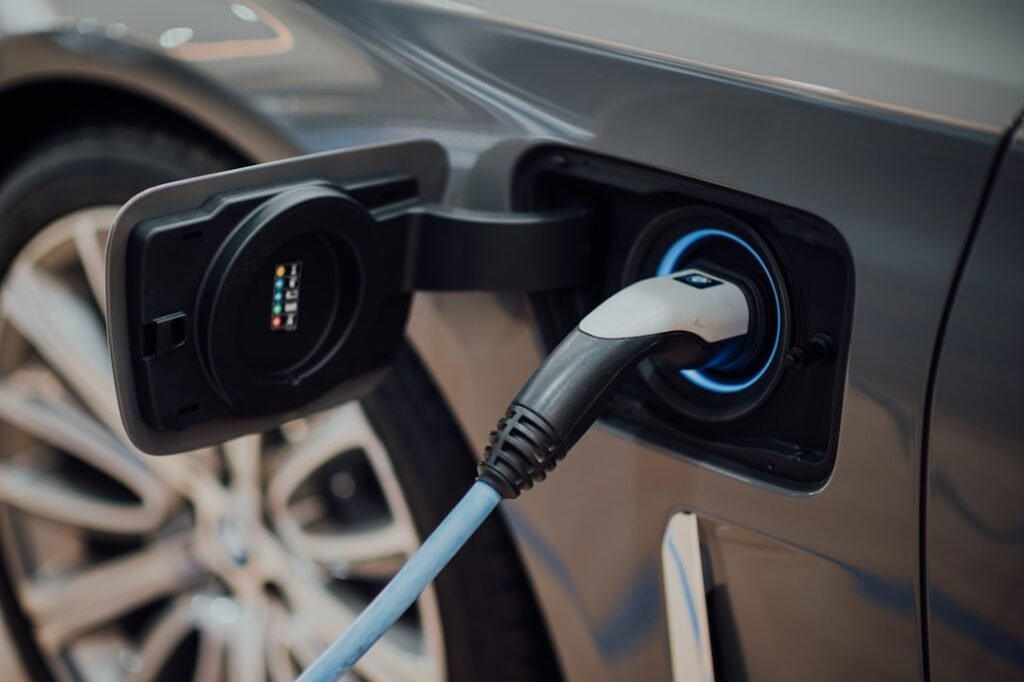
Photo by CHUTTERSNAP on Unsplash
Seventy-three percent of light-duty cars sold in 2023 had direct-injection engines. That’s not a coincidence—it’s the result of automakers chasing better power, efficiency, and emissions numbers. But here’s the thing: the shift from port fuel injection to direct injection happened so quietly that most drivers have no idea their cars are running fundamentally different combustion systems. And yet, the difference between the two is the kind of engineering detail that actually matters.
The Port Injection Era (And Why It‘s Nearly Over)
Until the early 1990s, gasoline engines relied on carburetors. They were imprecise, inefficient, and terrible for emissions. When federal regulations tightened around fuel economy and exhaust standards, the industry had to switch to fuel injection—but direct-injection technology wasn’t mature enough yet, so automakers defaulted to port fuel injection as the safer, proven path.
In a port fuel-injection system, injectors spray tiny droplets of fuel into the intake manifold upstream of the cylinder. The fuel vaporizes on the warm intake valve, mixes with incoming air, and enters the combustion chamber ready to burn. It’s precise enough to improve on carburetors, and the EPA saw real gains in fuel economy compared to the carburetor era. But here’s the catch: fuel doesn’t all make it to the cylinder. Some sticks to the intake port walls. Some sits in the manifold longer than necessary. You’re losing energy before the combustion even starts.
Because port-injected engines need lower compression ratios to avoid engine knock, they also have less power and efficiency per cubic inch than a theoretically optimized engine could achieve. It was good enough to meet regulations and keep cars affordable. But it wasn’t the endpoint of the technology curve.
Direct Injection: The Game Changer
Isuzu brought the first mainstream gasoline direct-injection engines to the U.S. market in 2004, and the industry started paying attention. Instead of spraying fuel upstream, direct injectors fire fuel directly into the combustion chamber at extremely high pressure, bypassing the intake tract entirely. You get better control over the air-fuel mixture, less wasted fuel, and faster injection timing—all without relying on intake port walls to vaporize and mix the fuel.
This precision unlocks three major benefits. First, you need less fuel to achieve the same combustion, which translates directly to better fuel economy. Second, direct injection creates a cooling effect in the combustion chamber, which reduces the risk of knock at higher RPM—meaning engines can run higher compression ratios and extract more power from the same displacement. Third, cleaner, more efficient combustion means lower emissions. Combine that with variable valve timing and turbocharging, and suddenly a 2.0-liter engine can match the output of a naturally aspirated 3.5-liter. That’s how Ford’s EcoBoost engines revolutionized the truck market—smaller displacement, big power, and better EPA numbers on the window sticker.
For automakers facing tightening CAFE fuel economy regulations, direct injection became the engineering lever to hit targets without gutting performance or dramatically raising prices. It’s no wonder adoption exploded.
The Carbon Buildup Problem Nobody Talks About
Of course, direct injection isn’t a free lunch. The biggest problem is carbon accumulation on the intake valves. Since fuel is injected directly into the cylinder and never flows over the intake valve, there’s no cleaning action upstream. Carbon, dirt, and other particulates from the air intake and crankcase ventilation system accumulate on the valve stems and ports over time, degrading performance and efficiency. Some owners have reported needing carbon cleaning services at 80,000 or 100,000 miles—an expense port-injected engines rarely demanded.
Another weakness shows up at low RPM. Direct injectors fire fuel so late in the combustion stroke that there’s barely time for it to mix evenly with incoming air. Port-injected engines actually have an advantage here—the extra mixing time means better efficiency during gentle cruising. Direct injection sacrifices low-end mixing quality for high-end precision and power.
Automakers know about both problems. The solution? Dual-injection systems that use both port and direct injection simultaneously. Toyota pioneered the concept in 2005 with its D-4S system, which first appeared in the 2GR-FSE engine powering the Lexus GS and IS. Port injection handles the low-RPM mixing; direct injection takes over at higher speeds and loads, getting the best of both worlds. Ford, Volkswagen, and Hyundai have since adopted the technology for their performance and efficiency engines. It’s the smart play, but it adds cost and complexity—which is why you don’t see it on every mass-market sedan yet.
What This Means for Your Next Car
If you’re shopping for a new vehicle today, odds are very high you’re looking at a direct-injected engine. That’s good news for fuel economy and power. The EPA’s fuel economy ratings reflect this efficiency gain, and modern turbocharged direct-injection engines deliver performance that would’ve required significantly larger engines a decade ago.
The trade-off is that you’ll likely need carbon cleaning at some point in the vehicle’s life—especially if you do a lot of short-trip driving that doesn’t let the engine reach optimal temperature. Some manufacturers have built in port injection to mitigate this, but not all. If you’re keeping a car long-term, it’s worth asking the dealer whether your specific model uses dual injection or straight direct injection.
The bottom line is this: direct injection won the battle with port injection not because it’s perfect, but because it’s the best tool automakers have to meet modern regulations without making cars slower or more expensive. The technology will keep evolving—hybrid systems, variable compression, synthetic fuels—but as long as we’re burning gasoline in high volume, direct injection is here to stay.
- 73% of new cars sold in 2023 use direct injection instead of port fuel injection, a shift driven by efficiency and emissions regulations.
- Direct injection shoots fuel directly into the combustion chamber at high pressure, enabling higher compression ratios, more power, and better fuel economy than port injection.
- The main downside is carbon buildup on intake valves over time, which some owners address with cleaning services; dual-injection systems (port + direct) solve this but add cost.
Sources: Jalopnik