Ford’s Massive Truck Reset: Next-Gen F-150 and Super Duty by 2029

Photo by Anissa Terry on Unsplash
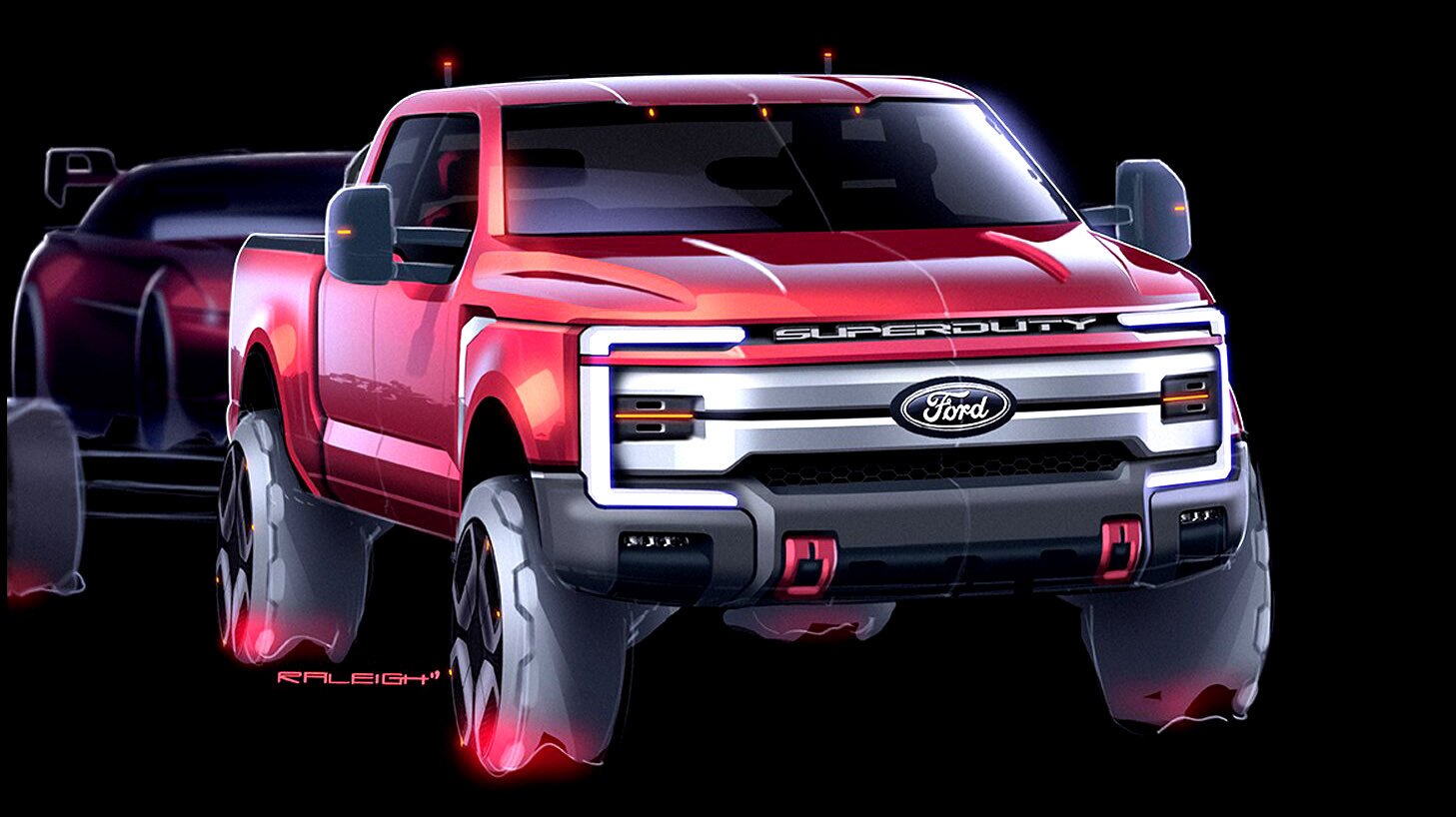
Ford just announced one of the most aggressive product overhauls in its recent history, and it’s reorganizing itself from the inside out to actually pull it off. By 2029, the company will refresh 70 percent of its global vehicle portfolio and 80 percent of its North American lineup by volume—a massive undertaking that includes the next-generation F-150, the Super Duty, and a new mid-size electric pickup. For a company whose F-Series trucks have sold over 157,000 units annually and dominated the bestseller charts for decades, this is less about reinvention and more about staying relevant in a rapidly changing market.
The scale of this effort is staggering enough that Ford created an entirely new internal organization to manage it. Called Product Creation and Industrialization and led by Kumar Galhotra, this group consolidates design, EV development, digital, and manufacturing into one unified structure. Ford’s language here is telling: “one of the most intensive product, software, and services rollouts in Ford’s history.” Translation: this is do-or-die stuff.
The F-150 Gets Its Turn in the Ring
Details on the next-gen F-150 remain thin—and honestly, that’s not surprising. Ford knows the current formula works, so expect an evolutionary redesign rather than a revolution. The real question is whether Ford will be aggressive enough to counter the next-generation Chevy Silverado arriving in 2027, which will land two years earlier and set a new competitive baseline.
What we do know is that the F-150 will be part of Ford’s push toward 90 percent of its global lineup offering electrified powertrains by 2030. That includes traditional hybrids (which the F-150 already offers), full EVs, and range-extender plug-in hybrids. The F-150 Lightning is confirmed to return, but as a range-extender hybrid rather than a pure EV—a pragmatic move that likely reflects real-world charging anxiety among truck buyers. The Super Duty will follow a similar playbook.
Ford is also launching a new mid-size electric pickup built on something called the Universal EV (UEV) platform, designed to slot between the Maverick and the F-150. This truck promises compact SUV-like cabin space with a highly efficient powertrain, but it’s built on Ford’s next-gen electrical architecture and will benefit from the same innovations being developed for hybrids.
The Real Advantage: A Platform Revolution
The UEV platform is where Ford’s bet actually gets interesting. Developed by a skunkworks team and honed over years of internal work, this thing uses unicasting technology to reduce weight and complexity—meaning fewer separate parts, simpler manufacturing, and lower costs. It also features a fully zonal electrical architecture, which consolidates the processing units needed to run the truck and makes over-the-air updates faster and cheaper.
Here’s the kicker: Ford is applying lessons from the UEV platform back to its hybrid development. The new high-efficiency motors being engineered for electric trucks are being adapted for traditional hybrids, which suggests Ford isn’t just hedging its bets on propulsion—it’s actually building one coherent technology stack. That’s more integrated thinking than most legacy automakers have managed.
Software and Autonomy: The Long Game
By 2030, 90 percent of Ford’s vehicles by volume will have new electrical architectures and next-generation over-the-air update capabilities. This is foundational work for BlueCruise, Ford’s hands-free driver assistance system, and the company’s gradual push toward Level 3 autonomy. Don’t expect robo-taxi trucks anytime soon, but this infrastructure matters for keeping Ford competitive as software becomes more central to the driving experience.
There’s a wrinkle here worth noting: Doug Field, who joined Ford five years ago to lead its electrification and software push, is exiting the company as this reorganization happens. Field played a central role in shaping the Product Creation and Industrialization group, so his departure lands at an awkward moment. Ford will need to execute flawlessly without losing momentum on the software and autonomy front.
The Verdict
Ford is doing what legacy automakers have to do: refresh enough of the lineup to stay relevant while managing the transition to electrified powertrains without burning the house down. The 2029 timeline for a next-gen F-150 is neither aggressive nor reckless—it’s calculated. The real test will be whether the 2027 Silverado forces Ford‘s hand and whether the UEV platform actually delivers on efficiency and manufacturability.
One thing’s clear: Ford is betting that truck buyers will accept electrified options if the proposition makes sense. Range-extender hybrids for the Lightning, traditional hybrids for the F-150, and a new electric mid-size truck suggest the company has done its homework on what different buyers actually want. That’s more nuanced than “go electric or die,” and it might actually work.
Via Car and Driver and Carscoops — Original article