Ford’s Lost Mid-Engine Mustang Could Save the Affordable Sports Car
Ford had the answer to affordable, lightweight sports cars sitting in its garage in 1962. Then it chose the wrong path, and we’ve been paying for it ever since.
The Mustang I concept was everything a driver’s car should be: a feather-light mid-engine machine with just 1,148 pounds of curb weight, a tiny 1,500cc four-cylinder V4 engine good for around 100 horsepower, and an open-air cockpit designed for nothing but pure, unfiltered driving pleasure. This wasn’t some wild fantasy either—it was real, fully functional, and good enough that Ford executives sent it on a national tour to gauge public interest.
How Ford Nearly Invented the Perfect Sports Car
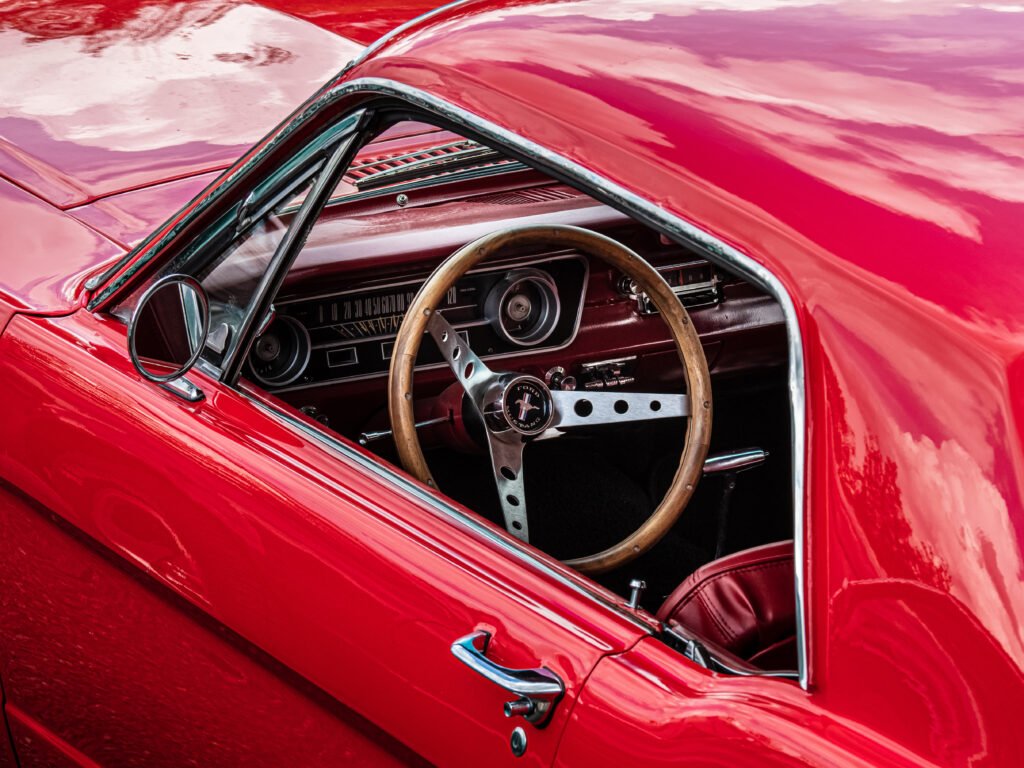
When the original Mustang launched in April 1964, it was a game-changer, but not because it was a masterpiece of automotive engineering. The pony car succeeded because it combined style, performance, and accessibility—a style-forward machine for the everyman that happened to share its underpinnings with the humble Falcon. By 1966, Ford had moved a million units, and the profit margins were absurdly high. That success locked the Mustang into a formula that would dominate for decades.
But before that decision was made, Ford was seriously considering something radically different. The Mustang I prototype—a compact, mid-engine European-style sports car with two seats and a removable roof—represented an entirely alternate future for the brand. The proportions were mid-engined sports car perfect: engine behind the driver, minimal weight, maximum agility. The Mustang lineage could have gone in a completely different direction had this concept gone to production.
Ford didn’t just sketch this car and file it away either. The company ran a full-court national marketing campaign with the Mustang I, including high-profile appearances at the Formula 1 United States Grand Prix at Watkins Glen and the USAC Pacific Grand Prix at Laguna Seca. And they handed the keys to Dan Gurney, one of the most famous racing drivers on the planet, to pilot it around these events and show the performance-minded crowd what it could do.
Dan Gurney’s Forgotten Publicity Stunt
Gurney was the perfect messenger for Ford’s ambitions in the early 1960s. The guy had already proven himself behind the wheel of Ford machinery as a driver for Holman-Moody’s NASCAR squad, and he was genuinely one of the most accomplished drivers in the world—racing everything from Formula 1 to USAC to sports cars. Getting him into the Mustang I at major motorsport events wasn’t just marketing theater; it was Ford loudly announcing that it was serious about performance.
This timing matters. Ford was still building its legendary “Total Performance” program, the corporate initiative that would lead to victories in Formula 1, the Indianapolis 500, and a historic run at Le Mans by the end of the 1960s. The Mustang I was part of that narrative—proof that Ford could engineer lightweight, efficient, performance-focused machinery. In the 1.6-liter GT class at Le Mans, this little V4 could’ve made Porsche take notice. It wouldn’t have beaten Ferrari’s 4.0-liter V12 monsters in the top classes, but it represented a different philosophy entirely: less power, less weight, more driver engagement.
When Ford Actually Listened to Journalists
Here’s where it gets frustrating. Ford loaned the Mustang I prototype to the period’s most respected automotive outlets—Car and Driver, Road & Track, and Sports Car Graphic—to test and evaluate. These weren’t YouTube channel reviews; these were the voices that actually shaped buyer preferences in 1963. And they loved it.
Car and Driver’s verdict was unambiguous: “There can be no doubt however, that this car deserves to be produced. It would in fact be a most welcome addition to the sports-car market and provide less daring manufacturers with valuable inspiration.” That kind of praise from the era’s most influential publication should have been a green light. It wasn’t.
Instead, Ford chose the conventional path. The Mustang became a 2+2 coupe and convertible, roomy enough for four, affordable enough for the masses, and profitable enough to make accountants very happy. The single Mustang I prototype ended up in the Henry Ford Museum in Dearborn, Michigan, where it’s remained ever since as a footnote to what could have been.
What Ford Lost (And What We Lost With It)
Fast forward to today, and the consequences of that 1963 decision are impossible to ignore. The modern Mustang is a 4,000-plus pound grand tourer with up to 815 horsepower in GTD trim and a 200+ mph top speed. A Mustang GT V8 starts north of $42,000, and if you want the new Dark Horse SC variant, you’re diving deep into six-figure territory. This isn’t a car for the everyman anymore—it’s a luxury performance machine.
Meanwhile, Ford’s entire product lineup has shifted to trucks and SUVs. The company doesn’t sell a single traditional car anymore, and there’s nothing in the current Ford catalog that would appeal to a young driver who just wants some honest, affordable driving fun. Compare that to 1962, when a compact, lightweight, mid-engine sports car was within reach of enthusiasts who didn’t have six figures burning a hole in their pocket.
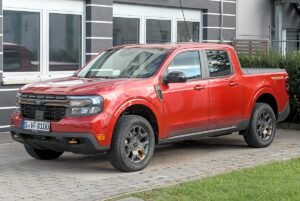
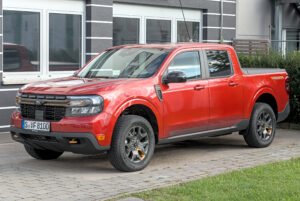
The affordable sports car market has become a wasteland in America. The Ford Maverick hybrid starts around $20,000, but it’s a truck—practical, but not thrilling. Porsche’s 911 Carrera T exists for people who want a no-frills sports car, but you’re paying $100K+ to get there. There’s a massive gap where an affordable, lightweight, driver-focused sports car should live, and nobody’s filling it.
Ford Should Steal Its Own Playbook
Here’s the radical idea: Ford should build a modern Mustang I. Not a retro-styled throwback with a modern engine shoehorned in, but a genuine rethinking of what a lightweight, affordable sports car could be in 2025. The recipe is simple and timeless: a four-cylinder engine mounted amidships, minimal weight, maximum agility, and a price tag that doesn’t require a mortgage.
This car doesn’t need to be complicated. No fancy infotainment system with 12 screens. No panoramic sunroof or heated massage seats. No center console full of cupholders. Just honest, pure driving dynamics—the kind that made the original Mustang a sensation and would absolutely crater the value of everything else in the affordable sports car market today.
The automotive industry has a bad habit of killing ideas that don’t fit the current sales template, then spending decades wondering why enthusiasts complain about bland, bloated cars. Ford had the right idea in 1962, chickened out, and now we’re all living with the consequences. The Mustang I sitting in the Henry Ford Museum isn’t just a piece of history—it’s a reminder that sometimes the best ideas get buried under spreadsheets and market research. Ford should dig it back up.
- The 1962 Mustang I concept was a 1,148-pound, mid-engine sports car with 100 hp and a four-cylinder engine—the anti-thesis of today’s bloated, expensive Mustang.
- Ford ran a national marketing campaign with Dan Gurney and loaned prototypes to Car and Driver, which praised it as a car that “deserves to be produced.”
- Ford chose the conventional 2+2 coupe route instead, locking the Mustang into a formula that led to today’s $42K+ V8 grand tourers—leaving the affordable sports car market wide open.
Sources: Jalopnik