The Tesla Model S Is Dead. Everything Else Just Copied Its Homework.
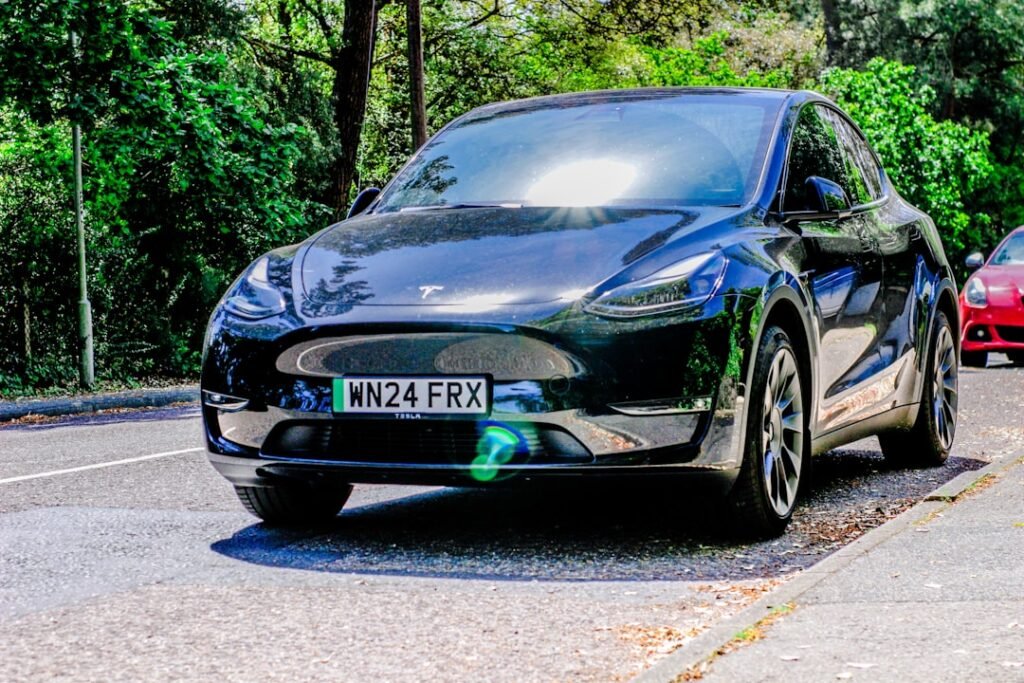
The Tesla Model S is dead. Not metaphorically—production has actually ended after 15 years of existence. And honestly, the automotive world should be throwing a memorial service, because this car did something almost no other vehicle in history managed: it proved an entire skeptical industry wrong, then spent the next decade and a half watching everyone else frantically copy its blueprint.
Here’s the thing about being right so hard that your competitors have no choice but to imitate you: you don’t usually get credit for it. The Model S didn’t just sell. It reshaped what a car could be, what an EV could be, and what consumers actually wanted when they weren’t being sold a story by a legacy automaker’s marketing department.
When Everyone Thought Tesla Would Fail
Tesla’s original sins didn’t inspire confidence. The Roadster—the company’s first car—felt like nothing more than a Lotus Elise stuffed with a battery pack. And according to industry lore, Tesla’s early leadership didn’t fully grasp automotive fundamentals. There’s a reportedly true story about nonautomotive executives at Tesla being genuinely shocked to discover that car door seals couldn’t just be ordered from Home Depot.
Skepticism was justified. The company looked primed for the same fate as the Tucker—a brilliant idea that couldn’t overcome the brutal reality of manufacturing and the entrenched competition. But then the Model S arrived in 2012, and it didn’t just work. It did something worse for every other carmaker: it made people actually want to drive an electric car, and it did it at a price point ($105,400 for the top Signature Performance trim in 2012 dollars) that made it a genuine luxury proposition.
Within its first few years, the Model S surpassed the entire Jaguar brand in sales. Let that sink in for a moment. A company that had been building cars for roughly five minutes was outselling an automaker with centuries of pedigree and manufacturing expertise.
Design That Made Everyone Else Look Stupid
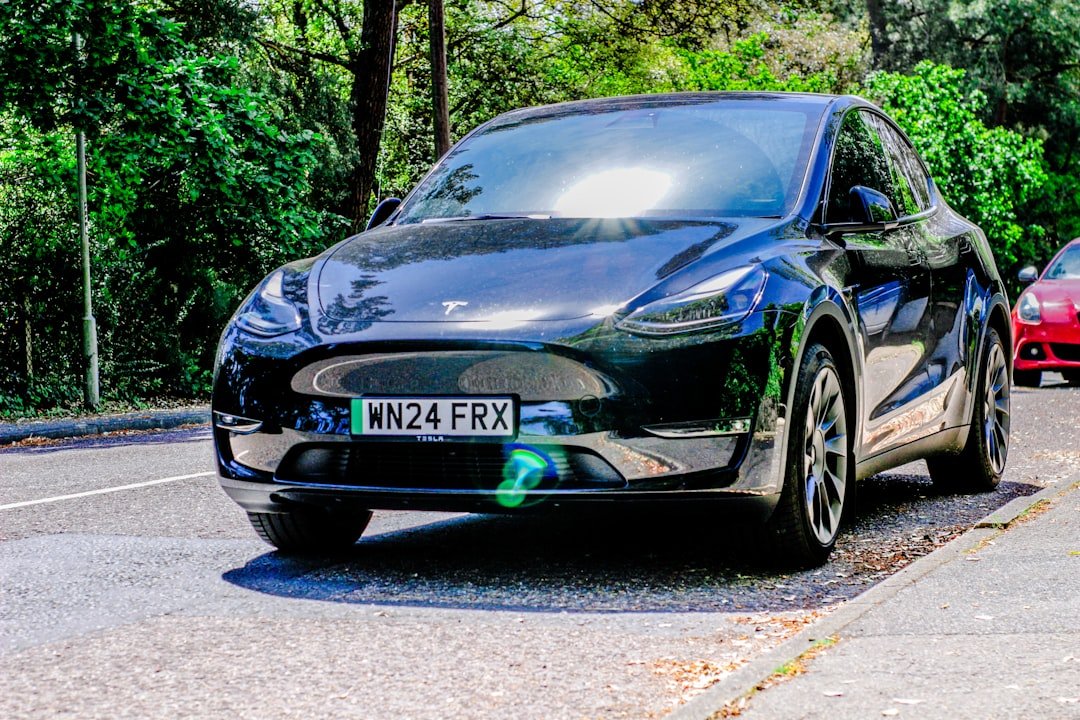
The Model S didn’t just perform. It looked like nothing else on the road, and the entire industry noticed. The massive digital display, the expansive touchscreen, those bizarre retracting door handles—all of it was unconventional, sometimes annoying, and occasionally stupid (seriously, the door handles were unnecessary theater). And yet, the rest of the automotive world started copying it immediately.
Those design choices became industry standards because the Model S proved they could be. Fourteen-year-old cars don’t dictate design language unless they’ve fundamentally changed how engineers and designers think about what a car should be.
Car and Driver’s testing director examined an early Model S and reportedly found that it violated “umpteen rules” from General Motors’ internal car-design and engineering guidelines. GM built those guidelines over a century of carmaking. Tesla threw them in the trash and built something better anyway.
Then came the yoke—that absurd single steering wheel that showed up in 2021. Stupid? Absolutely. Did it work? Somehow, yes. That’s Tesla’s actual superpower: not being afraid to challenge conventions so thoroughly that people wonder why we had those conventions in the first place.
Performance That Rewrote the Rules
But here’s where the Model S actually won the argument: raw acceleration. A 2013 Model S with 416 horsepower hit 60 mph in 4.6 seconds, matching V-8 sports sedans of that era. Later versions became some of the quickest vehicles ever tested by any publication—and the power delivery was something combustion engines literally couldn’t replicate.
No downshifts. No turbo lag. No altitude effects. Just instant, full torque the moment you pressed the accelerator. One tester at Car and Driver noted that instant power corrupts instantly—meaning once you’ve experienced true electric acceleration, everything else feels neutered.
The regenerative braking system converted deceleration into battery charge with such efficiency that one-pedal driving became viable. Did this feature have merit? That question is still being argued in editorial meetings, but the point stands: the Model S didn’t just perform. It performed in ways traditional cars physically couldn’t.
The Irony of Falling Behind
Here’s where the story gets uncomfortable. The Model S never actually got replaced during its 15-year production run. Instead, Tesla kept iterating: more range, faster charging, all-wheel drive, interior improvements, more power, and lower prices. By 2025, the Model S Plaid offered 1020 horsepower, better range, and a larger battery than the original—all for $96,630, nearly $10K cheaper than the original Signature Performance in 2012 dollars when adjusted for inflation.
A five-year-old Plaid today can be found for under $40,000. That’s 2.1 seconds to 60 mph and a 151-mph quarter-mile in 9.4 seconds for less than a loaded Camry. That’s not a car; that’s a cheat code.
And yet, Tesla’s used values are collapsing. Resale prices have plummeted as buyers flee the brand for reasons that have nothing to do with the actual vehicles. If ownership concerns you for other reasons, there’s some grim comfort: the money you spend on a used Model S no longer flows back to the company, and there are plenty of aftermarket solutions available.
The Legacy That Outlives the Car
The Model S won’t be remembered as Tesla’s greatest achievement. That honor probably belongs to the Model 3, which democratized electric performance and made EVs accessible to regular people. But the Model S will be remembered as the car that made everyone else move. It forced the entire automotive industry to reckon with the fact that electric wasn’t a gimmick—it was the future, and they were unprepared for it.
Every touchscreen in a modern luxury car. Every camera-based safety system. Every regenerative braking integration. Every sleek EV sedan profile. The Model S didn’t invent all of these things, but it proved they were worth copying. And for a car that started life as a niche experiment by a company that didn’t know door seals came from somewhere other than Home Depot, that’s the kind of legacy that justifies a 15-year production run.
The Model S is gone, but you can see its fingerprints on every modern EV that followed. That’s not a bad way to go out.
- Tesla Model S production has ended after 15 years, but the sedan proved EVs could be both desirable and practical—reshaping the entire industry.
- A 2013 Model S hit 60 in 4.6 seconds; later versions became some of the quickest cars ever tested, with instant power delivery combustion engines couldn’t match.
- By 2025, the Model S Plaid delivered 1020 hp, superior range, and a $96,630 price tag—and used examples now sell for under $40K with 2.1-second 60-mph times.
- Tesla violated decades of automotive design conventions (digital-first interior, massive touchscreen, camera-only safety) that the entire industry eventually copied.
Sources: Car and Driver · InsideEVs