
Lamborghini Just Proved Brown Can Be Beautiful. The Three-Year Miura SV Restoration Shows Why.
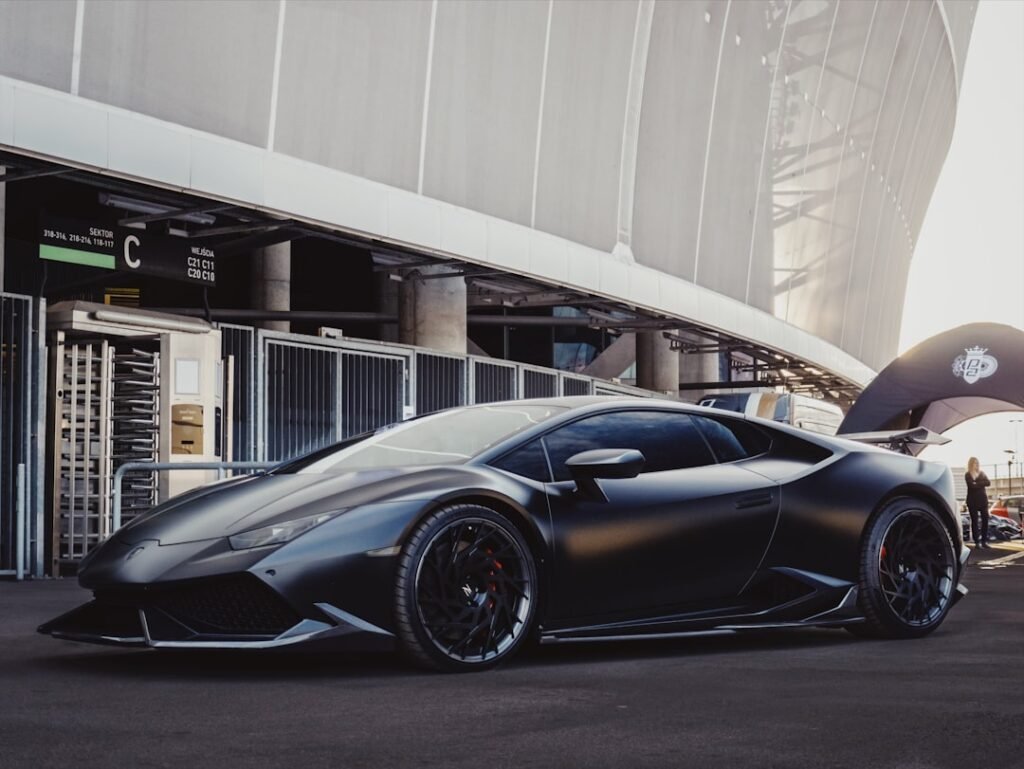
Photo by Karol Smoczynski on Unsplash
Brown on a supercar is a bold move. Browns that actually work on a supercar? That’s rarer than a Miura with original paint. But Lamborghini’s Polo Storico heritage department just pulled it off, and the results are making a compelling argument that maybe we’ve been sleeping on earth tones in the automotive world for far too long.
The car in question is a 1972 Miura SV—one of the last and most desirable variants of Marcello Gandini’s masterpiece—and it just spent three years in complete restoration at Lamborghini’s headquarters in Sant’Agata. Unveiled this past weekend at Concorso Roma in Italy, the finished product wears a rich chocolate shade called Luci del Bosco, paired with tan Senape leather inside and gold-finished wheels and skirts that somehow make the whole thing sing instead of clash.
A Car That Arrived Broken
The Miura SV showed up at Lamborghini’s facility at the end of 2023 in what the company diplomatically described as “a configuration not compliant with the original specifications.” Translation: it was a mess. Lamborghini didn’t release before photos, which tells you everything you need to know about the starting point. The car had clearly seen decades of hard living, neglect, or both.
What made this restoration special wasn’t just the competence—though Polo Storico, Lamborghini’s in-house heritage division, doesn’t mess around. It was the historical detective work. The tan interior color, Senape, required Lamborghini to dig into its own archives because the exact shade had evolved across different models over the decades. Getting it right meant understanding not just what the 1972 Miura SV should look like, but what specific batches of leather Lamborghini was using in 1972. That’s the kind of granular obsession that separates a restoration from a rebuild.
Why This Brown Actually Works
Here’s the thing about the Miura’s design: it was already impossibly beautiful by 1972. The wedge-shaped profile, the low stance, the perfectly proportioned greenhouse—it all coalesces into something that photo evidence suggests transcends color. But brown could have shattered that. Instead, Luci del Bosco—roughly “lights of the wood”—seems to deepen the car’s already aggressive lines without fighting them.
The gold wheels and matching trim pieces could have looked tacky. Instead, they read as a deliberate, period-appropriate accent. There’s something about the warmth of that palette that makes the Miura look less like a museum piece and more like a car that lived a full life and aged gracefully. Every restoration tells a story about its era; this one tells a story about restraint and respect for original specifications, even when those specs seem unconventional by modern standards.
The grilles and rear window louvers were painstakingly restored too. We’re talking about a level of attention to detail that most restoration shops would farm out or skip entirely. Lamborghini did neither.
The Company That Knows Its Own History
There’s a meaningful difference between having a Miura restored by a talented independent shop and having Lamborghini do it in-house. The factory team built these cars. They know where every tolerance sits, what materials were sourced from where, and how the design intent actually translated to production. When Polo Storico takes on a restoration, they’re not reverse-engineering someone else’s work—they’re returning the car to what it was supposed to be in the first place.
This particular restoration also carries extra weight because of the car’s provenance. It’s not just any Miura SV; it’s a car that Lamborghini deemed important enough to allocate significant resources to over a multi-year period. That speaks to how the company views its heritage, and it’s a hell of a lot more credible than some of the cosmetic restorations we see at concours events.
The Italian Job Connection
Lamborghini brought more than just the brown Miura to Concorso Roma. The company also displayed the famous 1969 Miura P400 that opened the cult classic film “The Italian Job,” along with a pair of Countach 25th Anniversary models. That Miura P400, also restored by Polo Storico back in 2019, took first place in Class XIV—the category for 1970s sports grand tourers.
The fact that Lamborghini is actively rotating its most significant heritage cars through events and restoration work suggests the company understands something many manufacturers don’t: these cars aren’t just valuable assets to be locked away. They’re rolling proof of design brilliance that deserves to be seen and appreciated.
The Bigger Picture: Brown Deserves Reconsideration
Beyond the specifics of this restoration, there’s a broader lesson here. In the modern car world, we’ve become obsessed with extreme colors—electric blues, neon yellows, aggressive blacks. Meanwhile, earth tones that dominated the ’60s and ’70s have been relegated to the boring dad-car category. This Miura SV suggests we’ve overcorrected. Browns, tans, and warm metallics can be dynamic and sophisticated on the right car, especially one with the Miura’s proportions and pedigree.
The real crime isn’t that this color is bold—it’s that we let ourselves forget what bold could mean beyond screaming for attention. Luci del Bosco doesn’t shout. It whispers, with absolute confidence, that it belongs exactly where it is.
Three years of work, one masterpiece of restraint, and a reminder that Lamborghini knows how to build cars and how to honor them when they return home. That’s worth more than a thousand polished show cars.
- Lamborghini’s Polo Storico spent three years restoring a 1972 Miura SV to original specifications.
- The finished car wears Luci del Bosco brown exterior paint with tan Senape leather interior and gold-finished wheels sourced from factory archives.
- The famous 1969 “Italian Job” Miura P400, also restored by Polo Storico, won first place in its concours class at Concorso Roma.
Sources: Carscoops