Tesla’s Model Y Just Set a New Bar for American Safety Testing—But It Shouldn’t Have Been This Newsworthy
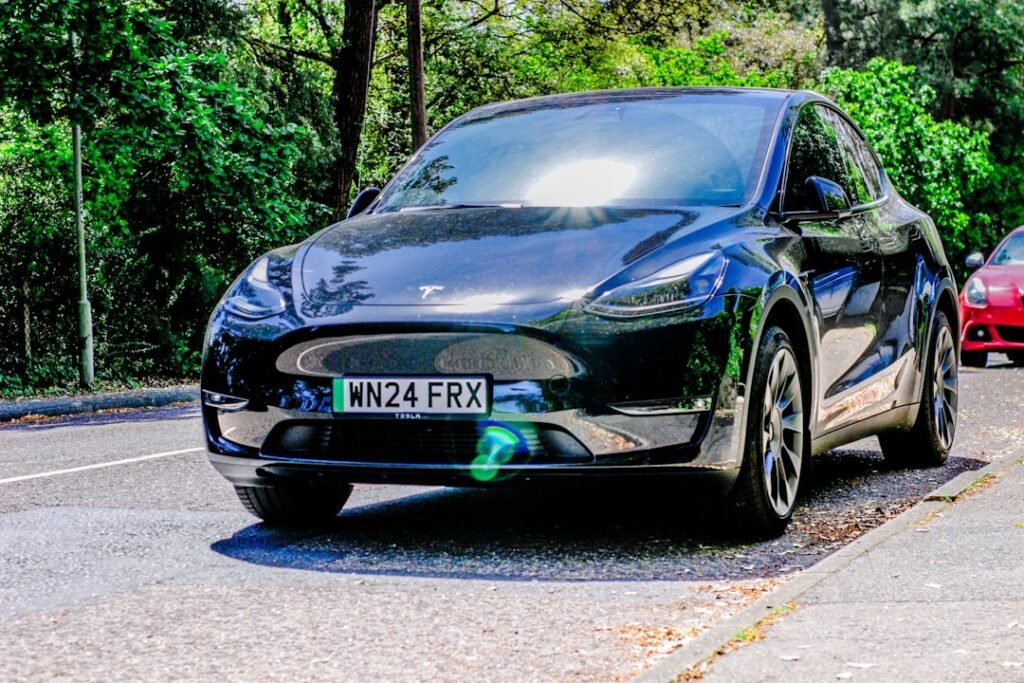
Tesla‘s 2026 Model Y just made history by becoming the first vehicle to pass America’s brand-new government safety testing regime for advanced driver assistance systems. Sounds impressive, right? It would be—if these features weren’t already standard equipment on most cars sold today. The National Highway Traffic Safety Administration added these tests to its New Car Assessment Program, and frankly, the fact that we’re celebrating a single car passing them tells you something uncomfortable about the state of automotive safety adoption in this country.
What NHTSA Is Actually Testing Now
The new evaluation framework focuses on four specific driver assistance technologies: lane-keeping assist, blind-spot warning systems, blind-spot intervention (which actively corrects your steering), and pedestrian automatic emergency braking. Results are binary—pass or fail—and available on NHTSA’s public website so shoppers can actually compare vehicles based on real safety performance data.
The 2026 Model Y units manufactured after November 12, 2025 aced everything. It earned five-star ratings across frontal, side, and rollover crash tests, then earned passing grades for every “recommended safety technology” category: forward collision warning, crash imminent braking (the fancy term for automatic emergency braking), dynamic brake support, and lane departure warning. The car didn’t just pass—it swept.
NHTSA Administrator Jonathan Morrison called it “a significant step forward in our efforts to provide consumers with the most comprehensive safety ratings ever.” He’s not wrong about the ratings part. But his comment that the Model Y “demonstrates the lifesaving potential of driver assistance technologies and sets a high bar for the industry” reveals the actual problem here.
Why This Victory Feels Like a Participation Trophy
Here’s what bothers us: lane-keeping assist, blind-spot warning, pedestrian emergency braking—these aren’t cutting-edge Tesla innovations. Most mid-range family sedans have had variations of these systems for five to ten years. Honda’s been doing predictive emergency braking since the early 2020s. Volvo basically invented automatic emergency braking and made it standard decades ago. Yet somehow, the Tesla Model Y is the first vehicle to pass NHTSA’s new standardized testing for these features?
That gap between technology availability and government evaluation explains why these tests were “in the works for years,” as Carscoops reports. Regulatory bodies move slowly. Glacially, even. By the time NHTSA codified testing standards for features that were already commonplace, Tesla had already sold millions of Model Ys. The Model Y didn’t set a high bar so much as it showed up to a game everyone else had been playing and didn’t know there was a scoreboard.
The real question isn’t whether the Model Y is safe—it clearly is. The question is: why are we only now getting standardized, transparent government ratings for driver assistance tech when the industry has been selling it for a decade?
What This Actually Means for Buyers
The silver lining is genuine: NHTSA’s new testing framework does something the industry desperately needed. It gives consumers a simple, apples-to-apples way to compare safety technology across different manufacturers. No more decoding marketing jargon, no more relying on brand reputation or YouTube reviews. You can check the official government website and see which cars actually have working blind-spot intervention and which ones are selling you window dressing.
Morrison hopes this will “encourage automakers to prioritize innovations that keep families safe on the roads.” Again, nice sentiment—but most automakers already have these systems. What they didn’t have was a unified testing standard to prove it. Now they do. That should accelerate adoption across brands that haven’t yet reached feature parity with Tesla, and it should make comparisons easier for consumers shopping their next sedan or crossover.
The catch? Passing these tests is binary. There’s no “how well” your lane-keeping works—just pass or fail. That’s a simplification, and it works for marketing (nobody buys a car because it got a B-minus in lane centering), but it means the gap between a system that works brilliantly and one that barely meets spec gets flattened into a single checkmark. Future iterations of these tests will probably add nuance. For now, they’re a starting point.
The Bigger Picture
What really stands out is that it took government intervention to create transparent testing standards for features the market has offered for years. The industry had every opportunity to self-regulate, to publish consistent performance data, to help consumers make informed choices. Instead, we got a fragmented mess of proprietary systems with names designed to make a Honda system sound better than a Hyundai system that does the same thing.
Tesla’s Model Y passing these tests first isn’t a reflection of Tesla’s dominance—it’s a reflection of which automaker was most ready when the scoreboard finally went up. Other manufacturers will follow quickly. In six months, we’ll probably see dozens of cars earning passing grades. The Model Y’s “first” status is more of a footnote than a trophy.
Still, this matters. Standardized government testing for safety technology sets a baseline. It pushes the industry toward consistency, transparency, and genuine performance measurement instead of clever marketing. That’s worth celebrating, even if the bar should have been raised about five years ago. The real win isn’t that Tesla passed—it’s that we finally have a test worth passing.
- 2026 Tesla Model Y is the first vehicle to pass NHTSA’s new driver assistance system safety tests, evaluating lane-keeping, blind-spot warning, blind-spot intervention, and pedestrian emergency braking.
- The Model Y scored five-star ratings on crash tests and passed every “recommended safety technology” category—but these features have been industry standard for years.
- NHTSA’s new testing framework provides transparent, standardized government ratings for driver assistance tech, finally giving consumers a clear way to compare safety systems across brands.
Sources: Carscoops