Amtrak Is Marketing Train Seats Like Luxury Cars. Somehow It’s Working.
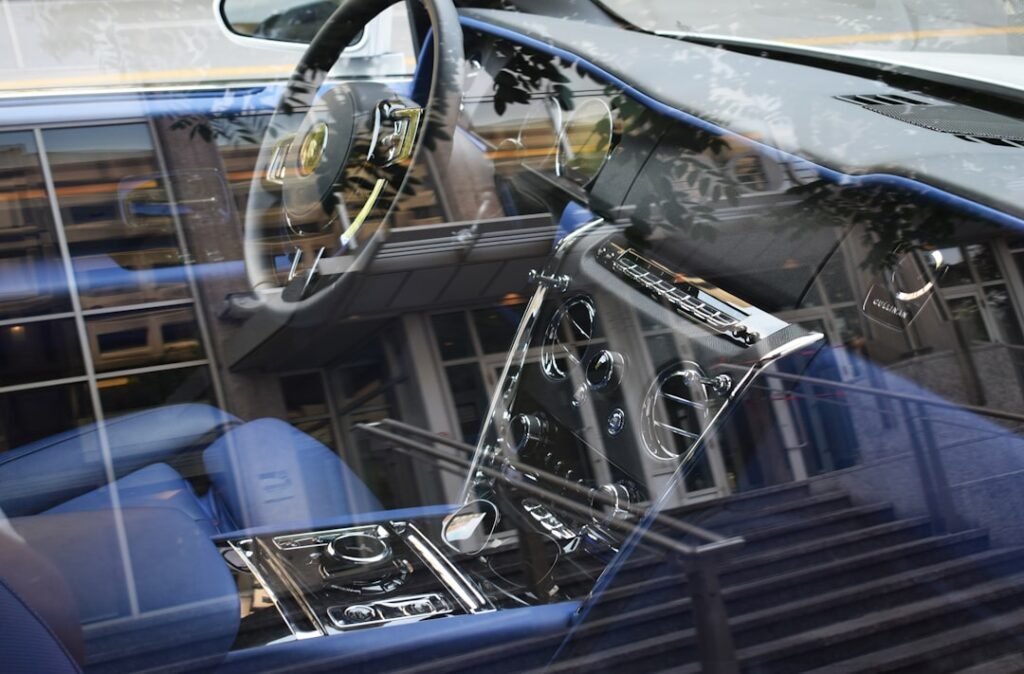
Photo by Chris Barbalis on Unsplash
Amtrak just hired the same playbook that Lincoln and Mercedes-Benz have been running for decades: build mystique around premium travel, drop a cinematic 30-second spot with a soothing voiceover, and let aspirational types do the rest. Except instead of a hand-stitched steering wheel or a turbocharged engine, they’re selling 160-mph train seats in the Northeast corridor.
The transport agency’s latest campaign, titled “The Build,” mirrors the architecture of every luxury car commercial you’ve been force-fed on YouTube. It methodically assembles the componentry of the new NextGen Acela trains—gearing, seat stitching, electrical systems—until the final reveal of a passenger sinking into a seat with the kind of serene satisfaction usually reserved for Range Rover ads. The voiceover even carries that same measured cadence you’d hear pitching a $100K sedan. It’s audacious. It’s also kind of brilliant.
The Pitch: Luxury Where There Usually Isn’t Any
For decades, train travel in America has occupied the space between “functional commute” and “novelty experience.” Most passengers have resigned themselves to mediocre seating, questionable bathroom situations, and the general sense that they’re tolerating transit rather than enjoying it. Amtrak is betting that the Northeast corridor—where professionals shuttle between New York, Boston, and Washington, D.C. regularly—is ready to pay car-commercial prices for train travel that doesn’t feel like punishment.
The NextGen Acela lineup is legitimately a step up. These trainsets can move 386 passengers in configurations that feel spacious by U.S. rail standards. Amenities include personal power outlets, complimentary Wi-Fi, adjustable reading lights, and—the real flex—restrooms that don’t smell like a portable toilet at a music festival. Seating breaks down into Business Class (positioned closer to premium coach pricing) and First Class, which runs roughly 2-4 times the price of a Business seat. For a premium experience, you pay premium prices.
Amtrak expects to run 23 additional trainsets through 2027, suggesting the company is confident there’s an audience willing to treat rail the way luxury car buyers treat their vehicles: as an experience, not just a conveyance.
The Reality Check: Speed Promises vs. Actual Delivery
Here’s where the analogy starts to fall apart. The NextGen Acela markets itself on reaching speeds up to 160 mph, but early performance data tells a murkier story. A reviewer who rode the service in November found that the newer trains saved only about five minutes on a typical Northeast corridor trip compared to standard Amtrak service. For passengers accustomed to actual high-speed rail in Europe or Asia—trains that genuinely shave hours off journey times—that’s a letdown.
The culprit isn’t engineering incompetence; it’s infrastructure. Unlike dedicated high-speed rail networks elsewhere in the world, Amtrak’s Northeast corridor shares tracks with freight operations. That means frequent stops for cargo transfers, schedule adjustments, and the general slowness of a system designed a century ago for a different world. The NextGen trains are legitimately fast relative to what they replaced, but they’re not fast relative to what the marketing suggests they should be.
Amtrak isn’t entirely at fault here—this is a systemic American problem. But when you’re charging luxury car prices, the gap between promise and reality gets harder to justify.
The Early Numbers Suggest the Gamble Might Work
Despite the speed asterisk, the initial performance is solid. In just the first month of NextGen service, Amtrak moved 60,000 passengers across its limited fleet. That’s genuinely respectable, especially considering the trains are only available on select Northeast routes and limited travel days. The demand suggests there’s a real audience for premium rail experiences—people who’d rather pay more for a nice seat, outlets, and Wi-Fi than suffer through budget transit.
That’s where Amtrak’s luxury car ad strategy actually makes sense. You’re not trying to convince cost-conscious commuters to abandon their cars or buses. You’re targeting the professional class that already exists in the Northeast corridor—the people who could drive or fly but might choose a train if it felt as polished as a luxury vehicle interior. The ad isn’t for everyone; it’s explicitly for the people who can afford to care.
Why This Actually Matters for American Transit
Look, America’s freight-first approach to rail infrastructure is a catastrophe that requires serious federal investment and political will to fix. Amtrak can’t solve that alone. But what the company can do is demonstrate that there’s revenue in the premium segment—that people will pay real money for train travel if it’s genuinely pleasant. That’s a proof of concept that could justify upgrading infrastructure down the line.
The luxury car ad treatment is marketing theater, sure. But it’s also a calculated bet that train travel doesn’t have to be a second-class citizen in American mobility. If the NextGen Acela continues moving passengers at premium prices, it might actually encourage someone in Washington to ask: “What if we made high-speed rail work like it does literally everywhere else?” That’s probably more valuable than shaving five minutes off a trip from Boston to New York.
For now, Amtrak has earned the right to sound like a car company. They‘re actually delivering something worth the premium pitch.
- Amtrak’s NextGen Acela trains are being marketed with full luxury car advertising—complete with cinematography and tone that mirrors Lincoln and Mercedes-Benz campaigns.
- The trains offer genuine upgrades (Wi-Fi, power outlets, better restrooms) and reach 160 mph, but only save roughly 5 minutes per trip due to shared freight infrastructure.
- First Class pricing runs 2-4 times higher than Business Class, positioning this as premium transit for Northeast corridor professionals.
- Early results show 60,000 passengers moved in the first month, suggesting real demand for premium rail despite the speed limitations.
- Amtrak plans to deploy 23 additional trainsets through 2027, betting that American travelers will pay car-commercial prices for train travel that actually feels premium.
Sources: Jalopnik