Subaru’s Iconic Gold Wheels Were Never Supposed to Exist
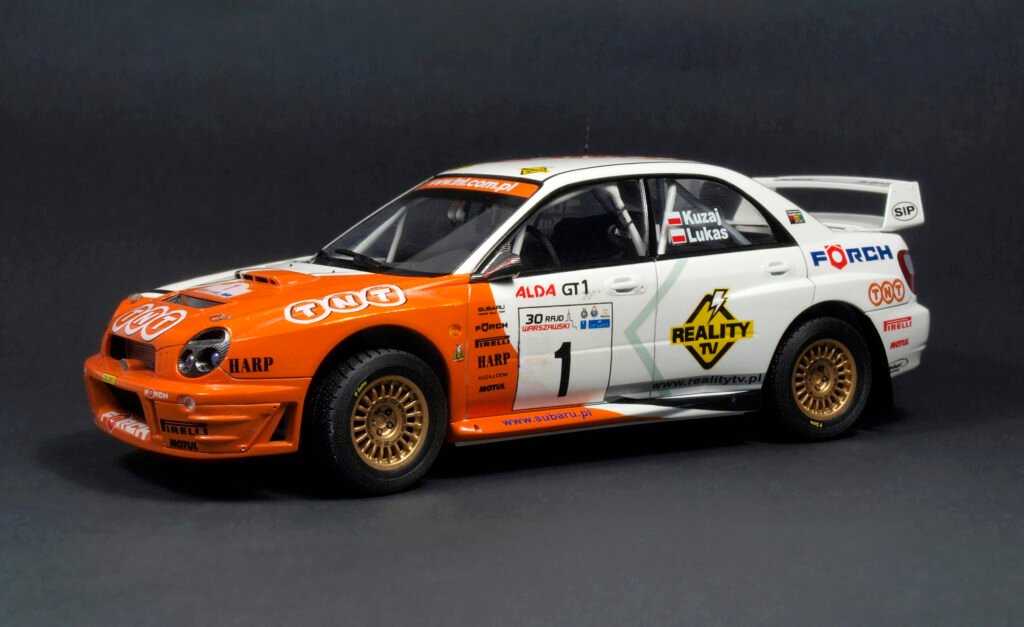
One of motorsport’s most iconic visual signatures almost never happened. Subaru’s legendary blue paint paired with golden wheels—the livery that defined a generation of rally dominance—was born from a complete manufacturing screw-up. Not strategy. Not careful brand planning. A supplier in Italy sent the wrong color by accident, and the Monte Carlo victory that followed locked it in forever.
The Accidental Design That Stuck
When Prodrive and Subaru rolled up to Monte Carlo in January 1997 with their new WRC car, something was very wrong—at least according to plan. David Richards, Prodrive’s chairman, recently spilled the whole story on The Intercooler podcast: Speedline, the wheel manufacturer, had shipped gold wheels instead of the specified charcoal gray. Designer Peter Stevens was reportedly appalled. The team had a decision to make before the rally started, and the clock was ticking.
What happened next was pure motorsport pragmatism mixed with serendipity. The team raced the Monte Carlo event with the accidental gold wheels still on the car, and Piero Liatti piloted the Impreza WRC97 to victory. Richards then faced the moment that would define decades of Subaru’s visual identity. He walked into the office of Subaru’s president and confessed the whole thing—wheels were supposed to be gray, got the wrong shipment, totally embarrassing, we’ll fix it for the next event. The response stopped him cold: No. You’re keeping the gold. We’ve already done all the advertising.
Richards didn’t mince words about it: “It wasn’t by design, it’s a complete cock-up quite frankly.” But that cock-up became immortal. The 1997 Impreza WRC97 would go on to win eight of 14 rallies that season, clinching the manufacturers’ championship for Subaru and cementing those gold wheels in the memory of every rally fan who watched it happen.
The Heritage Nobody Expected
Here’s where it gets interesting: gold wheels on a Subaru rally car weren’t entirely new. Earlier models like the 1993 Legacy RS and the original 1994 Impreza WRX STI road car already wore gold, but those came with a different pedigree—they were a direct nod to the Group A rally cars’ title sponsor at the time, State Express 555, a tobacco brand whose yellow-and-blue packaging defined the early ’90s Subaru look.
When new WRC regulations rolled in for 1997, designer Peter Stevens wanted to shed that tobacco-era aesthetic and modernize the whole package. The charcoal gray wheels were supposed to be part of that clean break. Had Speedline not botched that shipment, that iconic blue-and-gold combo might have disappeared entirely, replaced by something sleeker and more contemporary. Instead, a factory mix-up at the most important moment possible—right before Monte Carlo—kept it alive.
Why This Moment Mattered
The 1997 season wasn’t just any year for Subaru. The partnership between Prodrive and Subaru would ultimately span 20 seasons in the WRC, delivering 46 victories and three consecutive manufacturers’ titles from 1995 through 1997. But it was that specific Monte Carlo victory—the one with the wrong wheels—that locked the aesthetic into the brand’s DNA forever.
The thing about motorsport liveries is that they need to win to stick in people’s minds. A gorgeous paint scheme that finishes mid-field gets forgotten. A mistake that happens to win the biggest opening rally of the season? That becomes legend. Subaru didn’t just accidentally keep the gold wheels—they accidentally cemented them as part of motorsport history in the exact moment they needed to. A Subaru without blue and gold now feels incomplete. Colin McRae sliding sideways through the snow on those wheels is burned into rally culture.
The Lesson Nobody Planned For
There’s a strange irony in how brand identity actually works. Companies spend millions on focus groups, design consultants, and strategic brand positioning—only to have the most memorable visual signatures arrive by accident. Speedline’s logistics failure, Peter Stevens’ horror at the wrong color arriving, Richards’ decision to just race it anyway, and the subsequent victory all lined up in a way no marketing department could have choreographed.
The gold wheels stuck because they won, not because they were planned. And that’s the honest story behind one of motorsport’s most celebrated looks. Sometimes the best design decisions aren’t decisions at all—they’re happy accidents that the market refuses to let go of. Subaru’s president made the right call keeping them, but he was really just saying yes to history as it was already being written on the Monte Carlo stages.
- Speedline accidentally shipped gold wheels instead of charcoal gray for the 1997 Impreza WRC97 at Monte Carlo.
- Subaru won the event anyway, forcing Prodrive to keep the gold wheels after the company had already committed to the look in advertising.
- The accidental color combo became Subaru’s iconic motorsport livery and helped secure three consecutive manufacturers’ titles (1995–1997).
Sources: Carscoops