Stop Sleeping on the Ground: The Best Truck-Bed and Rooftop Tents for Actually Enjoyable Camping
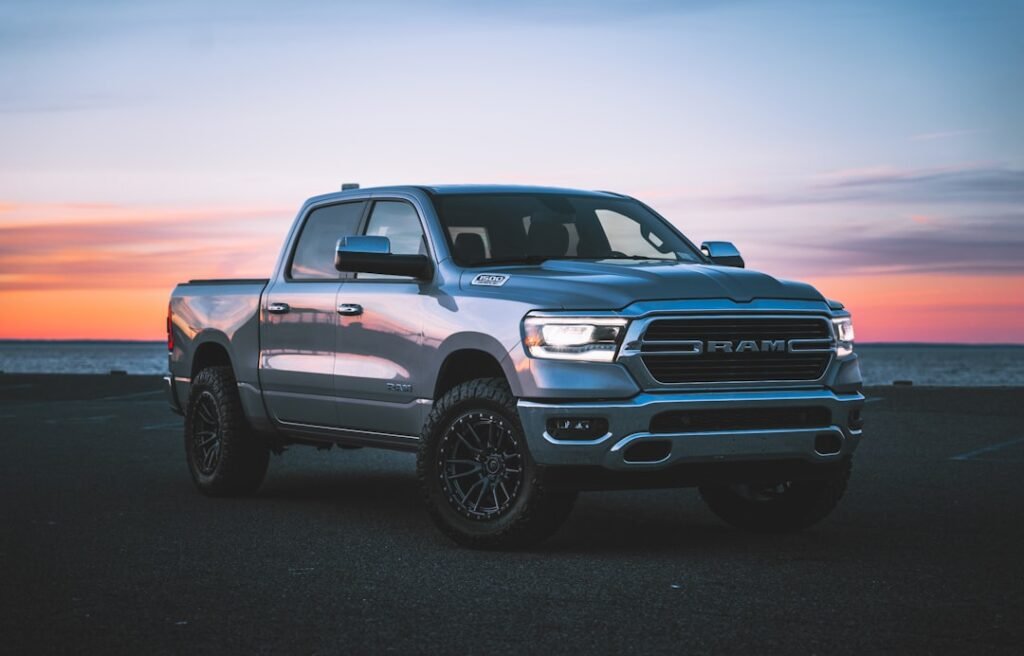
Photo by stevosdisposable on Unsplash
Sleeping on the ground is objectively terrible. Dirt gets everywhere, scorpions have opinions about your sleeping bag, and you wake up with more aches than you had before you lay down. But rooftop and truck-bed tents? They solve all of that—and they’ve gotten genuinely good over the last few years. If you’re serious about overlanding, weekend trips, or just refusing to pay $200 a night for a mediocre hotel in the middle of nowhere, it’s time to stop pretending tent camping has to suck.
The beauty of these setups is flexibility. Your truck becomes a mobile base camp, ready to deploy anywhere your wheels take you. No more hunting for flat ground or worrying about what’s crawling underneath your tent at 2 a.m. The tradeoff? They’re pricey. But unlike a lot of gear hype, this stuff actually delivers on its promises.
The Rooftop Tent Situation: Hard Shells vs. Soft Shells
Here’s the split: rooftop tents either fold down hard (aluminum or ABS plastic shells) or soft (fabric-based). Hard shells are faster to set up, more durable, and all-season capable. Soft shells are lighter and cheaper. Your choice depends on whether you’re doing serious overland missions or occasional camping trips where speed matters more than weather resistance.
The Rugged Ridge Roof Tent is the straightforward play—think of it as the Civic of rooftop tents. It’s a bifold design with a 660-pound weight capacity, sleeps up to three, and comes with polycoated polyester construction, a decent ladder, mosquito netting, and a high-density foam mattress. There’s a five-year limited warranty backing it up. The annex (basically an add-on room for gear storage) costs extra, but if you’re just starting out, skip it for now. This delivers on the basics without the five-figure price tag.
If you want the best-in-class experience and don’t mind paying for it, the RoofNest Condor Overland 2 is the move. This hard-shell aluminum unit—not cheap plastic, actual aluminum—sleeps three to four adults and includes features that feel almost absurd: waterproof polycotton fabric, blackout coating, three integrated dimmable LED lights, a ceiling-mounted gear organizer, and two HVAC ports so you can run your truck’s climate control into the tent. It weighs nearly 300 pounds, so installation is a two-person job, and the price reflects its capabilities. The optional crossbars let you haul up to 150 pounds of bikes or boards on top when it’s closed. This is the tent for people who’ve done this before and know what they want.
The Thule Basin Wedge Hard Shell deserves special mention because it’s stupidly fast to deploy—literally undo the latches, push it open, extend the ladder, and you’re done. Wedge-style tents also cut wind drag better than traditional boxes, which means less fuel penalty on the drive to your campsite. Thule’s quality is legendary (the Swedish brand has been making rack systems forever), but you’re paying for that reputation. It works best with Thule’s proprietary mounting systems, so plan accordingly. The shell is UV-protected ABS plastic with a cotton-polyester canopy, foam mattress, and mosquito screens included.
The Truck-Bed Tent Category: Where Budget Actually Lives
Here’s the secret nobody tells you: truck-bed tents are way cheaper than rooftop tents and solve a legitimate problem. Your bed is already there. Why not use it?
The Napier Backroadz is the gateway drug—just 16 pounds and designed specifically for truck beds (no fancy rack system required). It literally sits on your bed. At this price point, it’s a no-brainer for casual camping. You get a full rainfly, storm flaps, sewn-in floor, and mesh windows. It sleeps two adults. The catch? No mattress (budget $100-200 for a decent pad) and it’s rated for above-freezing only, so winter camping is out. But for summer trips and the price? Hard to beat.
If you want something more robust, the Smittybilt Gen2 Overlander delivers. It comes in standard (two-to-three-person) and XL (three-to-four-person) sizes, both built from heavy-duty 600-denier ripstop polyester with a full foam mattress, telescopic anodized-aluminum ladder, and LED lighting. Smittybilt added a vestibule to this generation—basically a covered entry area where wet gear can hang—which is clutch during rain. You can add a full drop-down vestibule for even more weather protection. There’s a two-year warranty, and the quality step-up from generation one is noticeable. Weight makes it a two-person install, but that’s fine.
For all-season capability without rooftop-tent pricing, the Overland Vehicle Systems Bushveld II Hard Shell is compelling. It has one of the largest sleeping areas in the category, comes with an insulated base (anti-condensation layer), quilted memory foam mattress and pillows, a skylight, blanket, and LED lighting. The four-year warranty is excellent. You can add a zip-on awning for weather protection. This is built for people who camp year-round and don’t want to compromise.
If you’re dipping your toes in without commitment, the GoHimal Waterproof Pickup Truck Tent checks boxes: comes in two bed sizes, three colors, 210-denier Oxford polyester with PU2000 waterproof coating, large easy-access door, windows on both sides. Don’t expect it to last a decade, but for occasional good-weather trips? It works. Budget option. Zero pretense.
The Rack System Reality Check
Here’s what people skip over: most rooftop tents need a dedicated truck-bed rack system. Your tent needs a rigid, elevated mounting surface that can handle weight safely at highway speeds and on rough trails. Without it, you’ve got nothing but an expensive paperweight.
The TruXedo Elevate Rack System is clean: powder-coated aluminum, T-slot crossbars, modular as hell. Its killer feature is tonneau-cover compatibility—you can keep your bed covered for security and cargo protection while running the elevated rack above the rails. For trucks that need to function as actual trucks on weekdays, this flexibility matters. Load capacity is something to verify against your specific tent, but for most setups, it works.
The Yacuta Adjustable Truck Bed Cross Bars offer adjustable width for different truck sizes, and they preserve usable bed space underneath the rack. They’re not as polished as premium brands (finish and hardware quality won’t match higher-end systems), but they get the job done without destroying your wallet.
The Real Talk
Rooftop and truck-bed tents are genuinely transformative if you camp even semi-regularly. They cost money—sometimes a lot of money—but they eliminate the single biggest barrier to camping: sleeping like a hobo on the cold hard ground. A proper tent setup lets you explore further from hotels, wake up to better views, and turn your truck into genuine adventure gear instead of just a truck.
Start with your actual camping habits. If you’re doing two trips a year in summer, the Napier Backroadz makes total sense. If you’re chasing seasons and exploring serious terrain, spring for the hard shell and don’t look back. And whatever you choose, invest in the rack system that actually works for your truck. A $1,500 tent mounted on a sketchy $200 rack is a bad time waiting to happen.
- Rugged Ridge Roof Tent is the entry-level rooftop option—straightforward, 660-lb capacity, sleeps three, five-year warranty.
- RoofNest Condor Overland 2 is premium hard-shell with aluminum construction, HVAC ports, and all-season capability—for serious overlanders.
- Thule Basin Wedge is the fastest to deploy and has the lowest wind drag—Thule quality costs money but delivers.
- Napier Backroadz is the budget truck-bed tent at 16 pounds—no mattress, summer-only, but unbeatable for occasional camping.
- Smittybilt Gen2 Overlander offers robust truck-bed camping with vestibule, LED lighting, and two-year warranty in two sizes.
- Overland Vehicle Systems Bushveld II is all-season truck-bed option with insulation, memory foam, and four-year warranty.
- Proper truck-bed rack systems (TruXedo, Yacuta) are non-negotiable for safe, stable tent mounting at highway speeds.
Sources: Road & Track