Takuma Sato Just Test-Drove Honda’s HRC Civic Type R at Suzuka. His Take: Way Better.
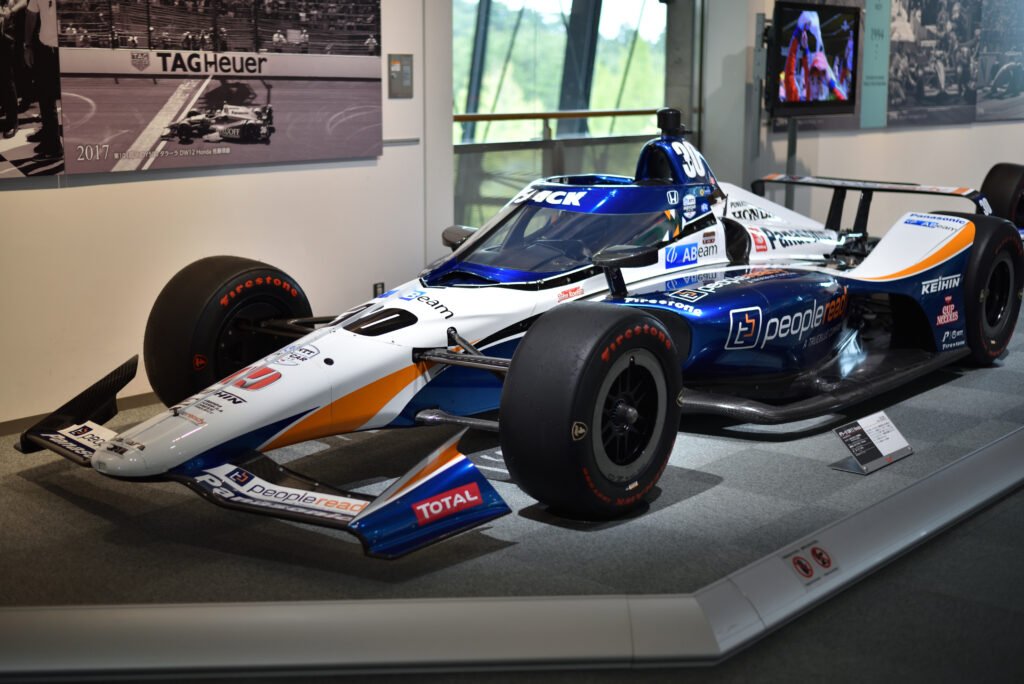
Honda just handed its hotly-anticipated HRC Civic Type R to a former F1 driver at Suzuka, and Takuma Sato’s immediate assessment was blunt: “way better” than the standard car. That’s not marketing speak—that’s a professional race driver who’s piloted IndyCars and Grand Prix machines giving his genuine reaction to what Honda Racing Corporation has engineered. And unlike the limited-edition fantasy versions that never make it to road-going reality, these upgrades are actually coming to you as bolt-on accessories in both Japan and the US.
This isn’t some vaporware concept anymore. The test footage from Suzuka marks the first time HRC’s motorsport-derived package has been put to work on an actual track, following months of simulator and wind-tunnel validation. Honda Racing Corporation President Koji Watanabe already confirmed the parts will arrive as a catalog of accessories you can buy and fit to an existing Type R—not bundled into some unicorn limited-edition that sells out in 37 seconds. That’s genuinely customer-friendly, which is refreshing to see from a major manufacturer.
What’s Actually Getting Changed
The aero overhaul is comprehensive. Up front, HRC redesigned the bumper with a more aggressive splitter and repositioned intakes that feed a dedicated HRC-branded intercooler—functional cooling upgrades, not just for show. The body work includes flared fenders with integrated vents and more aggressive side skirts. The rear gets the real statement piece: an adjustable wing paired with an aerodynamic bumper extension, all housing the triple tailpipes of an Akrapovic performance exhaust.
Sato’s description of the driving experience is telling. He called the car “racier and stiffer” with “sharper responses”—which is exactly what you want from a package explicitly designed by an HRC development engineer to marry “sharp response with ease of control.” That balance is the hard part. Most aftermarket kits either turn a daily driver into a twitchy nightmare or change nothing you can actually feel.
What remains to be officially confirmed is whether HRC will push beyond cooling and exhaust upgrades into actual chassis and power modifications. The Japanese-market Type R already packs 326 hp and 420 Nm of torque (versus the 315 hp US-spec version). Even modest power gains—say, 30-40 horses—would put the Type R in genuinely interesting performance territory, and the Akrapovic exhaust alone typically unlocks 5-10 hp.
This Is Actually a Track Car Pretending to Be Street Legal
Context matters here. Honda could use this package to take another swing at front-wheel-drive lap records. The Nürburgring is fresh in the conversation—the Volkswagen Golf GTI Edition 50 recently posted a 7:44.523 lap, barely beating the 7:44.881 the Civic Type R set back in 2023. That’s the kind of bragging right Honda would absolutely chase with a refined HRC package.
The footage from Suzuka shows the prototypes are still partially camouflaged, with the full reveal expected in the coming months. But one detail suggests Honda is thinking bigger than just bolt-on accessories: the test cars already sport the new Google Built-in infotainment system—the same setup appearing in the facelifted Civic and latest Prelude. That hints at a model-year update coming in parallel with the HRC package launch, which could mean subtle mechanical refinements beyond what’s already been announced.
Why This Actually Matters
The modern sports car landscape is split between two depressing tribes: hyper-expensive limited-editions for collectors (which nobody drives) and neutered “performance variants” that cost $3,000 more and feel exactly the same. Honda’s approach here is different. By offering HRC upgrades as standalone accessories rather than a bundled package, the company is trusting that actual enthusiasts exist—people who’ll spend real money to make their Type R sharper, faster, and genuinely better.
That’s increasingly rare. Most manufacturers have abandoned the idea of post-purchase performance upgrades entirely, folding everything into initial trim levels and burying the real stuff under service packages or dealer-installed gimmicks. Honda is saying: buy the car, then upgrade it. That’s how enthusiasts used to operate, and it works.
The timing is also sharp—the Civic Type R still holds significant cachet in a market where hot hatches feel increasingly endangered. With electrification coming hard and fast across every segment, turbo gasoline performance cars with actual character are entering their final window of relevance. Honda knows this. That’s why they’re doubling down on the Type R right now, letting professional drivers validate the engineering, and committing to real hardware for the road. When Sato—a guy who’s driven $40 million racing machines—says something is “way better,” people should listen.
- Honda’s HRC Civic Type R package was tested at Suzuka by former F1/IndyCar driver Takuma Sato, who called it “way better” than the stock car.
- The upgrades include an adjustable rear wing, Akrapovic exhaust, revised aero, and an HRC-branded intercooler—all coming as bolt-on accessories for Japan and US markets.
- Japanese-spec Type R produces 326 hp; actual power gains and chassis upgrades from HRC still unconfirmed, but the package hints at a parallel model-year refresh.
Sources: Carscoops